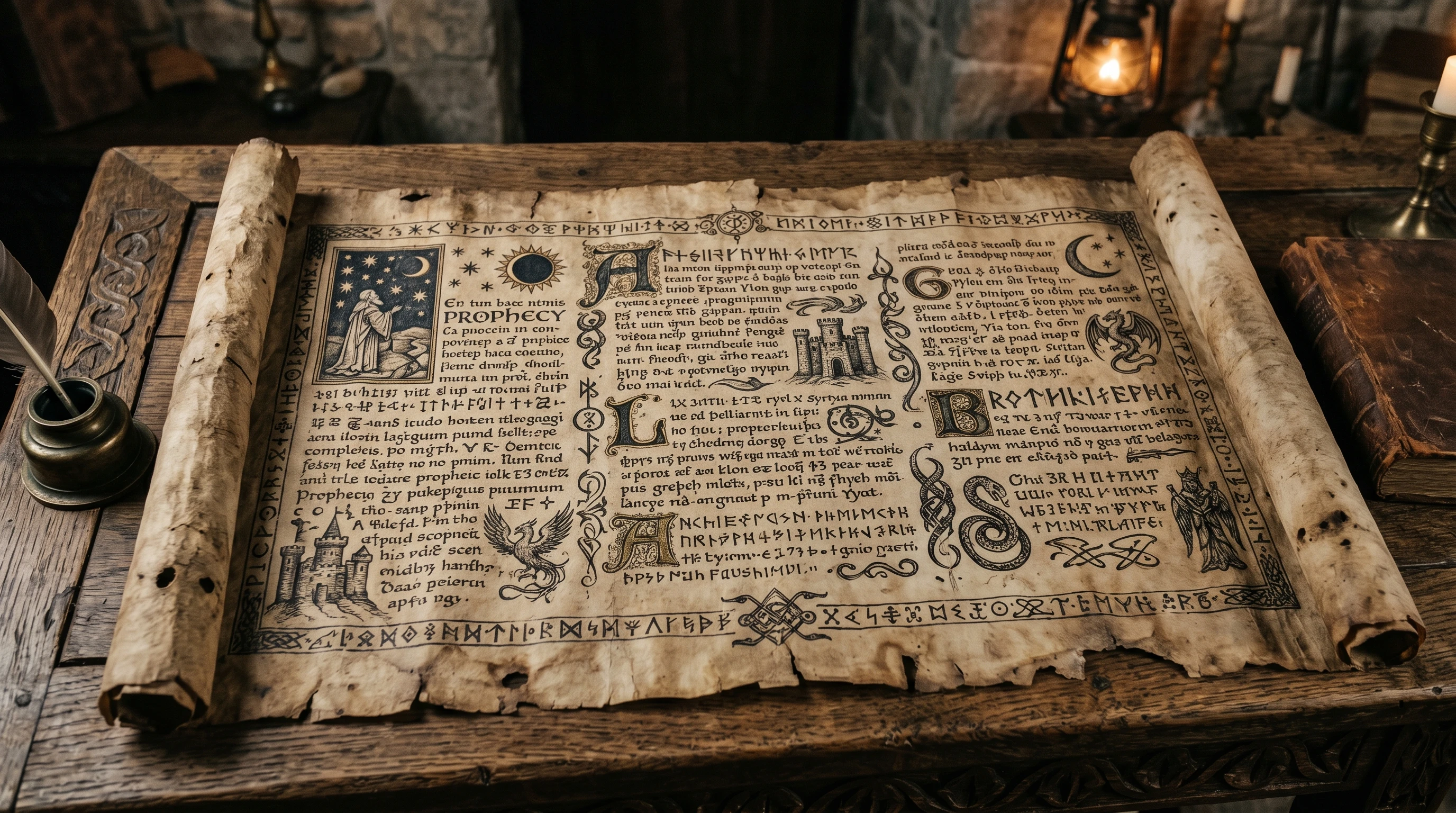
If you’re curious about mysterious names from ancient texts, Gog and Magog are probably near the top of your list. These two names show up across the Bible, the Quran, and even in some legends and folklore. The stories that mention them are filled with dramatic battles, powerful symbols, and open the door to all kinds of interpretations. Over time, people have tried to figure out exactly who or what Gog and Magog are supposed to represent.
Ever wondered what makes Gog and Magog so fascinating?
Quick Highlights
- Biblical mentions of Gog and Magog as powerful foes
- Prophetic roles in apocalyptic visions and “end times” scenarios
- Appearances in the Quran as destructive forces set loose near the end of days
- Links to historical peoples and ancient lands
- Legends in European folklore
- Modern interpretations in pop culture, literature, and religion
The Biblical Beginnings: Gog and Magog in Sacred Texts
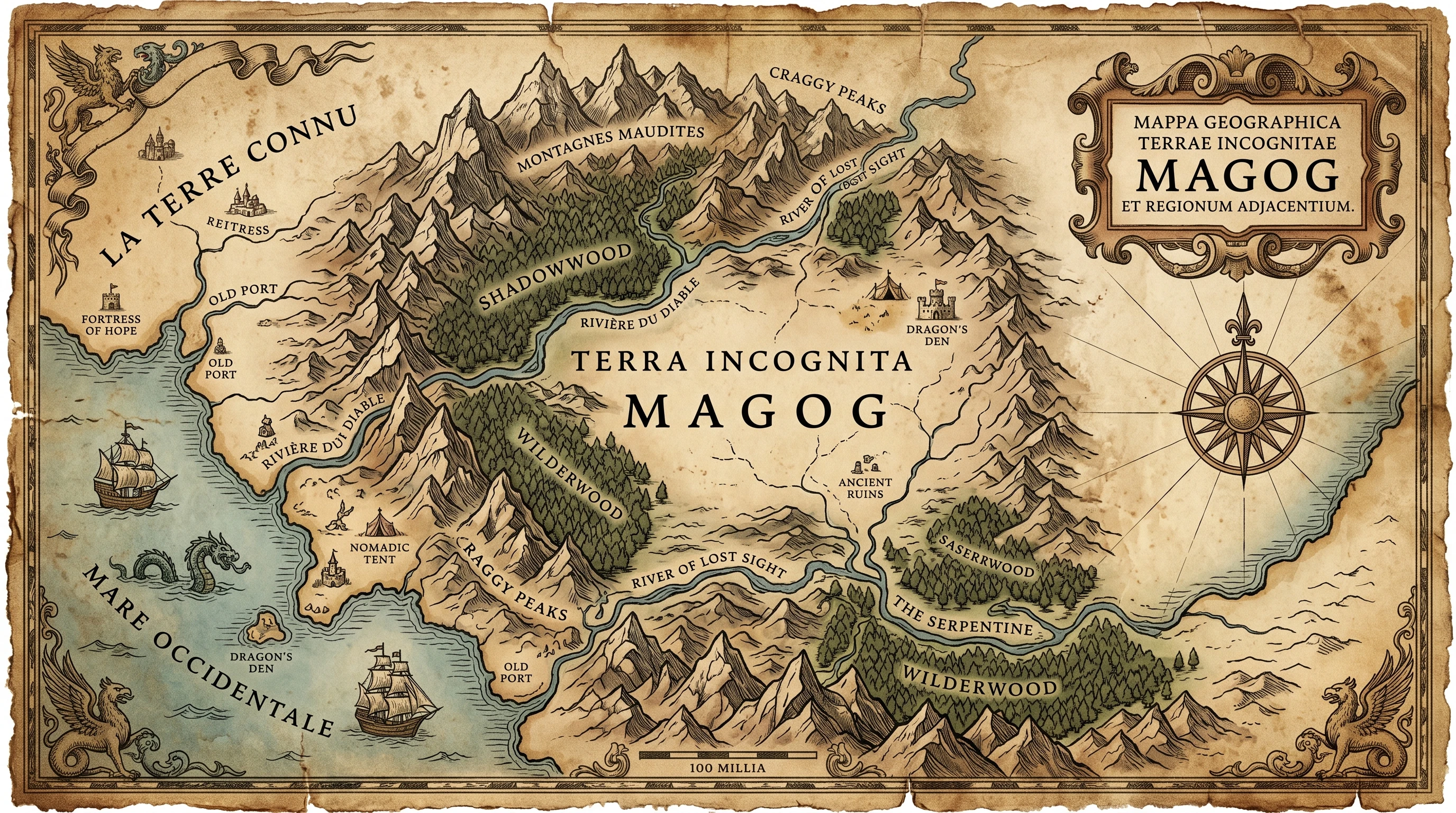
Gog’s first big appearance comes in the Book of Ezekiel (chapters 38 and 39). Here, Gog is described as a prince from the land of Magog, leading a massive army against Israel. This dramatic story doesn’t just talk about an ordinary battle. It’s loaded with visions of chaos, supernatural intervention, and the ultimate defeat of Gog’s forces. In this context, Magog seems like a distant land, sometimes thought to be north of Israel, though no one is sure exactly where.
If you flip to the Book of Revelation (chapter 20), you get another twist. This time, both Gog and Magog are named together as nations that ally with Satan to battle against God’s people at the end of time. The focus here changes: instead of just geographic enemies, the names become symbols for all the world’s opposition against good at the final showdown.
The continued interest in these figures shows how ideas from ancient texts can remain alive. Over the centuries, their characters have prompted endless discussions among scholars, religious followers, and history buffs, leading to countless new theories and reflections. Many people still look to these ancient stories as reference points when talking about conflict, faith, or the unknown.
Gog and Magog Beyond the Bible: The Quran and Later Legends
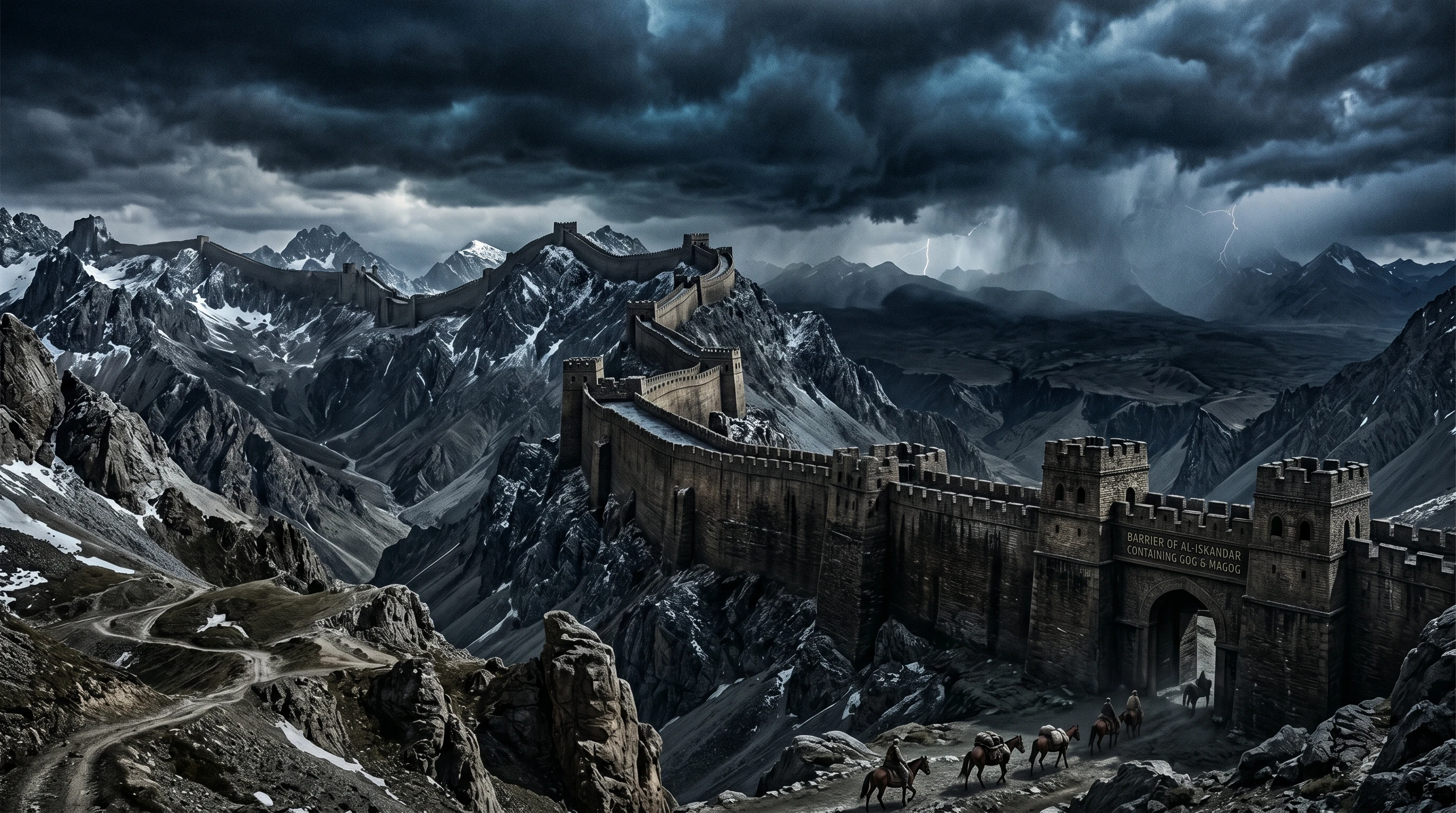
The Quran brings its own version of the story. In Surah Al-Kahf (18:83–99) and Surah Al-Anbiya (21:96), Gog and Magog (called Ya’juj and Ma’juj) are walled off by a figure called Dhul Qarnayn. According to the verses, these tribes are kept at bay behind a barrier until a future time—when the wall is broken and chaos spills out across the land. Just like in the biblical accounts, the story is packed with images of upheaval and a sense that a major crisis is brewing.
For centuries, some have thought of Gog and Magog as real tribes somewhere far away, maybe beyond the known world, while others see them as symbols of worldly chaos and trouble. There’s no single agreement. The legends found their way into medieval stories, too. In Europe, some even connected them to invading nomadic peoples or threats from the mysterious far reaches of civilization.
The link between Gog and Magog and distant lands often led to fascinating travel tales. Some explorers and writers claimed to have heard stories about mysterious barriers or wild tribes that matched these ancient descriptions, adding another layer of allure to the legend.
Historical Theories and Geography: Who Could They Have Been?
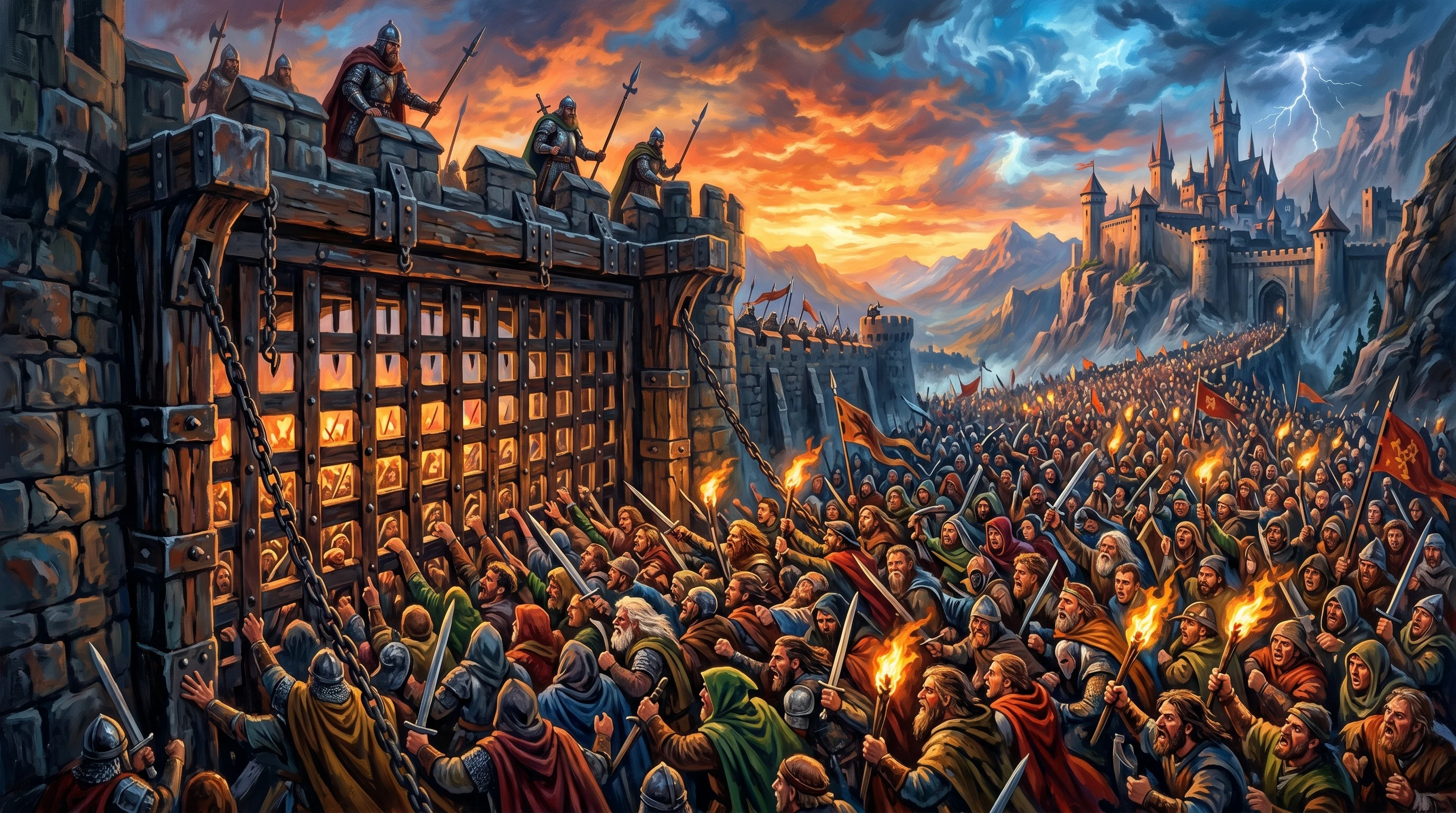
There’s a long history of people trying to match Gog and Magog to known nations or historical groups. Over the years, theories have shown up connecting them to Scythians, Huns, Mongols, or even other nomadic peoples from Central Asia. Scholars and religious thinkers have searched for clues in ancient maps and old chronicles, but no theory really sticks for everyone.
Some traditions describe an actual physical barrier or wall, which might draw inspiration from real life constructions like the Great Wall of China or ancient mountain fortresses meant to keep out invaders from the north.
Despite all the speculation, the identities of Gog and Magog remain mysterious. This puzzle keeps historians and archaeologists interested, spurring them to check out old texts and travel accounts in hopes of finding a new lead.
Folklore and Cultural Impact: From Myth to Modern Media
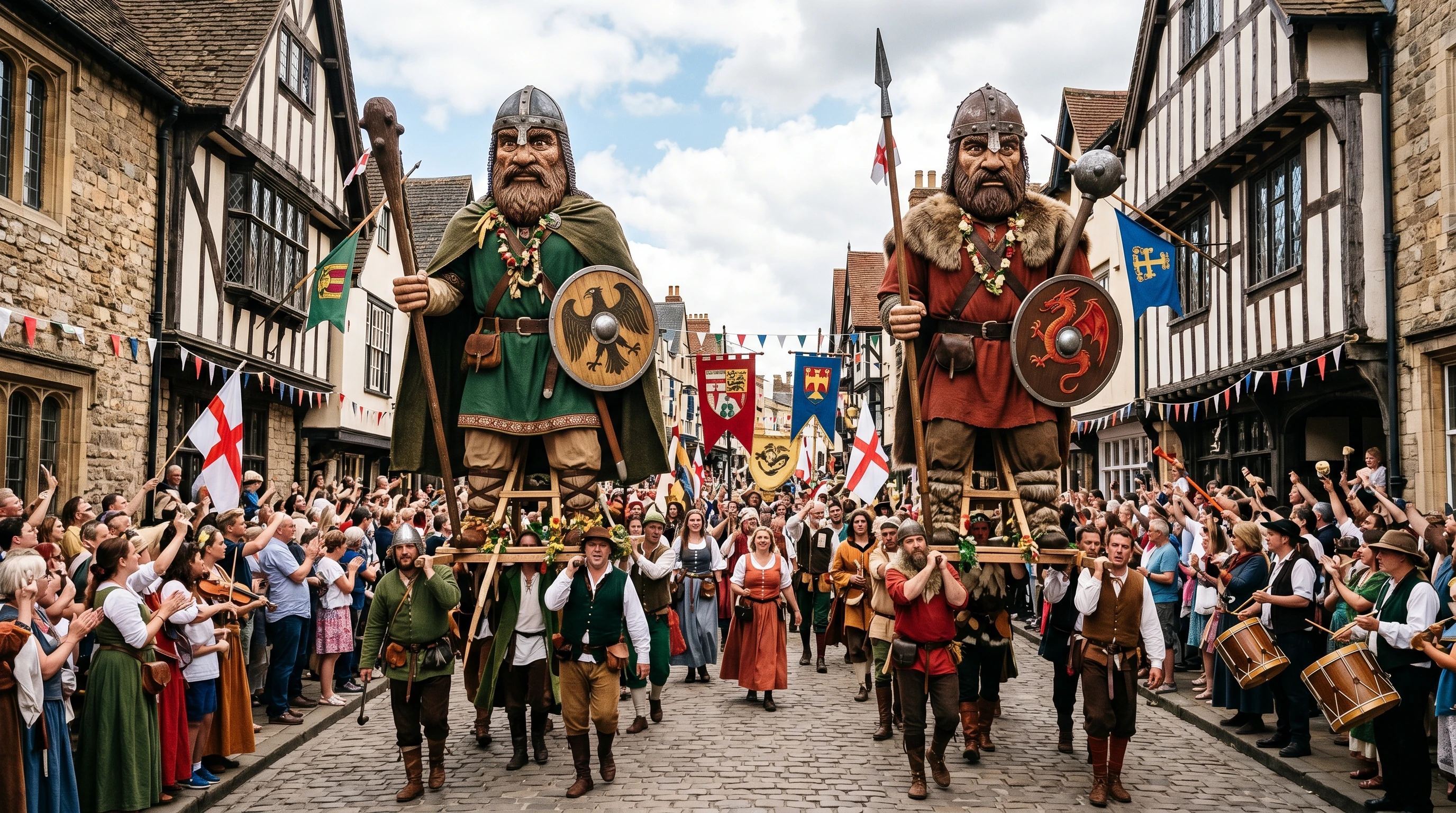
Gog and Magog didn’t stay locked up in religious texts. Over centuries, their story adapted into local legends and festivals, especially in England. In London, you’ll find giant effigies named Gog and Magog paraded during the Lord Mayor’s Show. They’re supposed to be protectors of the city and symbols of London’s endurance.
These names show up in pop culture, too. Writers, comic creators, and filmmakers have all borrowed the imagery of Gog and Magog when they want to set the scene for epic battles, the collapse of order, or the fight between good and evil. It’s an eye-catching sign that these ancient names still have a major hold on the popular imagination.
From novels and graphic novels to movies and games, the figures of Gog and Magog continue to spark inspiration for creators looking to bring some next-level cool mythic energy to their work. Their presence in art and storytelling keeps the legend alive in new and unexpected ways.
What Do Gog and Magog Mean for Us Today?
Gog and Magog are really about mystery and ongoing debate. For some, they’re warnings to stay watchful in a world where threats can appear without warning. For others, they’re symbolic of the struggles people face, whether morally, spiritually, or even politically. The debates about Gog and Magog also remind us of the power ancient stories have to shape how we think about present issues.
These stories and legends keep reminding us that history is packed with puzzling figures and unanswered questions. Whether you look at Gog and Magog as ancient tribes, powerful metaphors, or legendary monsters, their story sparks curiosity and conversation.
Share What You Think
What’s your take on Gog and Magog?
Share your thoughts, questions, or favorite legends in the comments. This is one mystery that invites everyone’s perspective!