
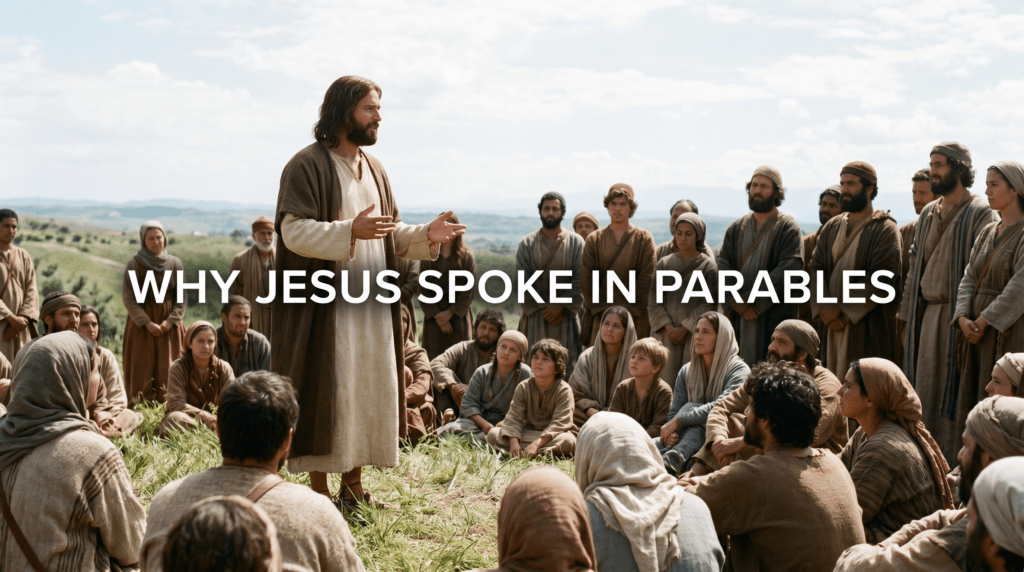
The teachings of Jesus stand out for their use of parables—simple, vivid stories with deeper meanings. These stories pop up everywhere in the Gospels and often use everyday situations, nature, or common jobs. But there’s more to it than just clever storytelling. Jesus picked parables for reasons that still matter to people wanting to understand faith, life, or just wise living.
Ever caught yourself wondering why Jesus didn’t just say things directly?
✦ Main Points
- The cultural and religious backdrop of first-century Palestine
- The practical purpose of parables in teaching
- How parables spark curiosity and reflection
- The role of parables in revealing and concealing truth
- Why the style connects across generations
- Modern applications of parables today
Cultural Roots: Parables in Ancient Storytelling

First-century Palestine was not a world of textbooks, podcasts, or constant screen time. Wisdom passed down as stories; people gathered in courtyards, fields, and synagogues to hear teachers break down big ideas with stories everyone could follow. Parables had deep roots in Jewish teaching, so when Jesus started spinning tales about seeds, sheep, or lost coins, everyone knew stories were ahead, but often got more than they expected.
Storytelling pulled listeners in and felt familiar. Many teachers used riddles, but Jesus’ parables stuck with people, inviting them to use their own lives to find meaning. That approach hooked the crowd, making his lessons personal and memorable.
Digging into the culture, it’s worth realizing that oral tradition was everything in that era. Stories kept memories alive and values clear. The parables were not just entertainment; they were a way to keep the faith alive in ordinary life. This style also allowed people of any age or background to join in, understand, and relate.
Real-World Lessons Hidden in Everyday Life

Jesus’ stories didn’t simply retell the obvious. Instead of listing out rules, he pulled lessons from things everyone knew—farming, fishing, baking bread. That made lessons easy to relate to, cutting across age and status; a fisherman could see himself in the story of the net, a parent would understand searching for a lost coin.
By wrapping up deep truths in simple images, Jesus left space for people to think and connect the dots for themselves. Instead of pushing out answers, he put the questions in people’s hands. That’s a really effective way for lessons to stick and grow as life unfolds.
On top of that, these stories often made listeners curious. Some might think on it for days before the lesson clicked. Many parables touch on forgiveness, generosity, what really matters in life, and these lessons endure because they’re so easy to picture in your mind.
Parables: Opening Eyes for Some, Hiding Truths from Others

Not everyone picked up on the point right away. Even Jesus’ closest followers sometimes asked for explanations. Parables served a double purpose. They made understanding possible for those who were curious, but let others leave with just a story if they weren’t interested in looking deeper. Jesus himself said (especially in Matthew 13 and Mark 4) that he taught in parables so that those “with ears to hear” might understand.
This approach separated casual listeners from those with open hearts, showing that a story can invite, challenge, and even shield deeper truths at the same time. The harder someone wanted to understand, the more meaning they could spot below the surface of the story.
In this way, parables acted as a spiritual mirror, letting people figure out their own openness. Even now, some people simply enjoy the story while others dig deeper and stumble upon something life-changing.
Reflecting, Remembering, and Responding

Stories stick around. Parables work on memory way better than lists or lectures. Someone could walk home from hearing Jesus and find themselves thinking about the story the next week or even years later when facing a big decision. New layers show up each time, depending on what’s happening in life.
A big part of why Jesus spoke in parables comes down to personal challenge. They aren’t made for quick answers—they’re meant to mix up how someone thinks or acts. If a story bugs you, makes you curious, or leaves you with a question, it did its job.
Over time, these stories work on a person’s heart, sometimes slowly. They stick in the memory, ready to pop up just at the right time, offering direction, comfort, or even a gentle challenge.
Why Parables Still Matter Now
Parables keep showing up because the way people learn hasn’t changed much. Whether someone is religious or not, stories catch attention and help ideas make sense. Teachers, parents, and leaders use relatable examples all the time. Even now, stories from two thousand years ago can hit home about kindness, forgiveness, or priorities.
When reading or hearing a parable today, I find it worth asking myself what part of my own life lines up with the story. Maybe that’s the point. Parables put the listener in the middle, offering the chance to track down truth that matters right now.
In classrooms, churches, therapy offices, and everyday chats, people still keep parables alive. Storytelling is timeless; it makes wisdom feel personal, urgent, and real.
✦ What About You?
Which parable means the most to you, or has made you see life differently?
Feel free to share your thoughts below and keep the conversation going about what parables can teach us today.