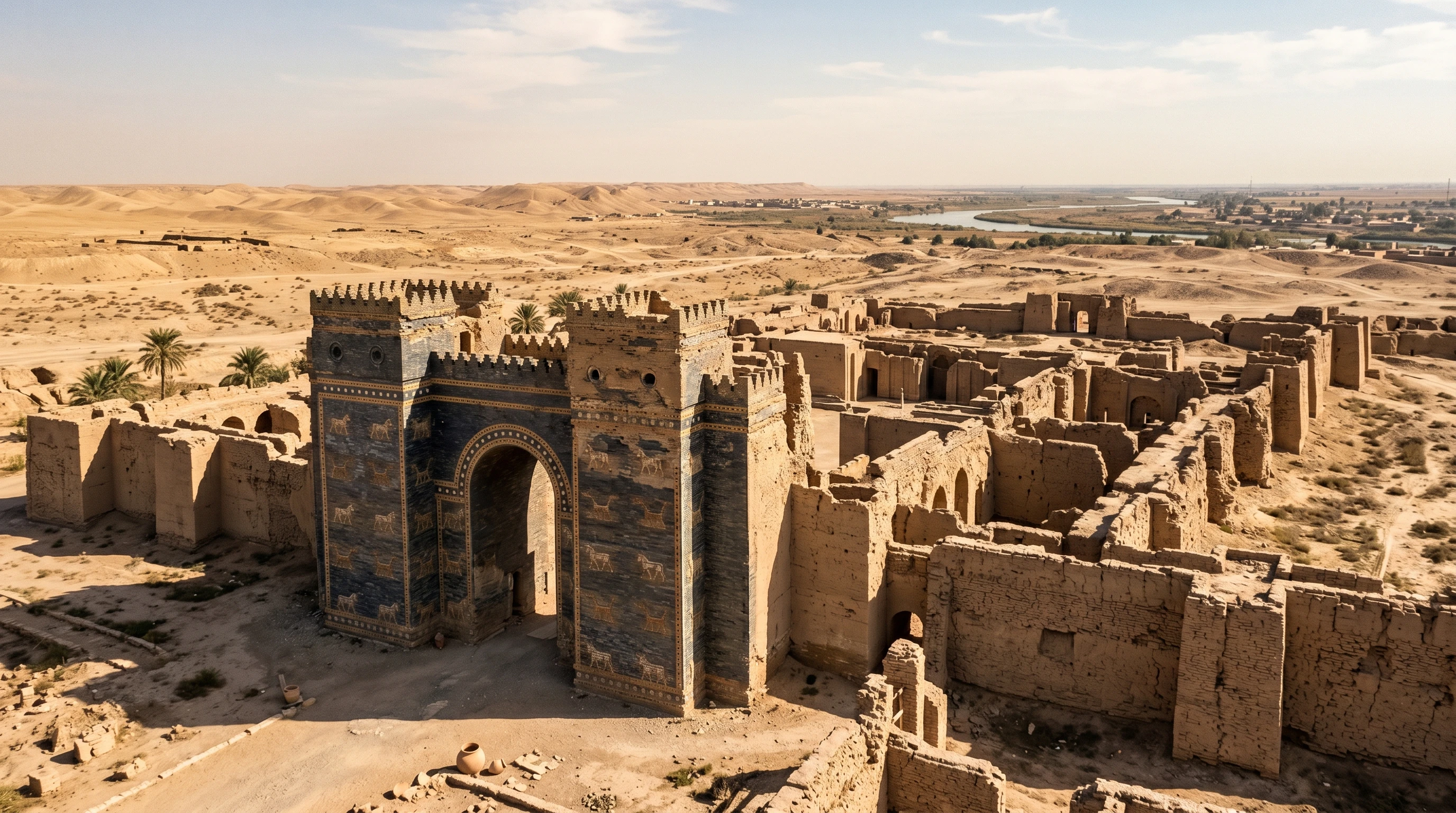
Starting with the basics, “Mystery Babylon” is a term packed with imagery and debate. You’ll find it mainly in the final book of the Bible, Revelation, where it’s a symbolic figure and city. Unlike ancient Babylon, which was a real empire, Mystery Babylon stands as a spiritual and prophetic symbol. The name itself hints at secrets, hidden meanings, and plenty of speculation over what—or who—it truly represents.
Ever wondered what makes Mystery Babylon such a hot topic in Bible discussions?
Key Points on Mystery Babylon
- Biblical roots in Revelation and ties to ancient Babylon
- Symbolism of spiritual corruption and global influence
- Connections to history, prophecy, and Christian tradition
- Impact on culture, art, and even today’s worldviews
- Diverse interpretations and ongoing debates
Background: Babylon’s Legacy and the Birth of a Mystery
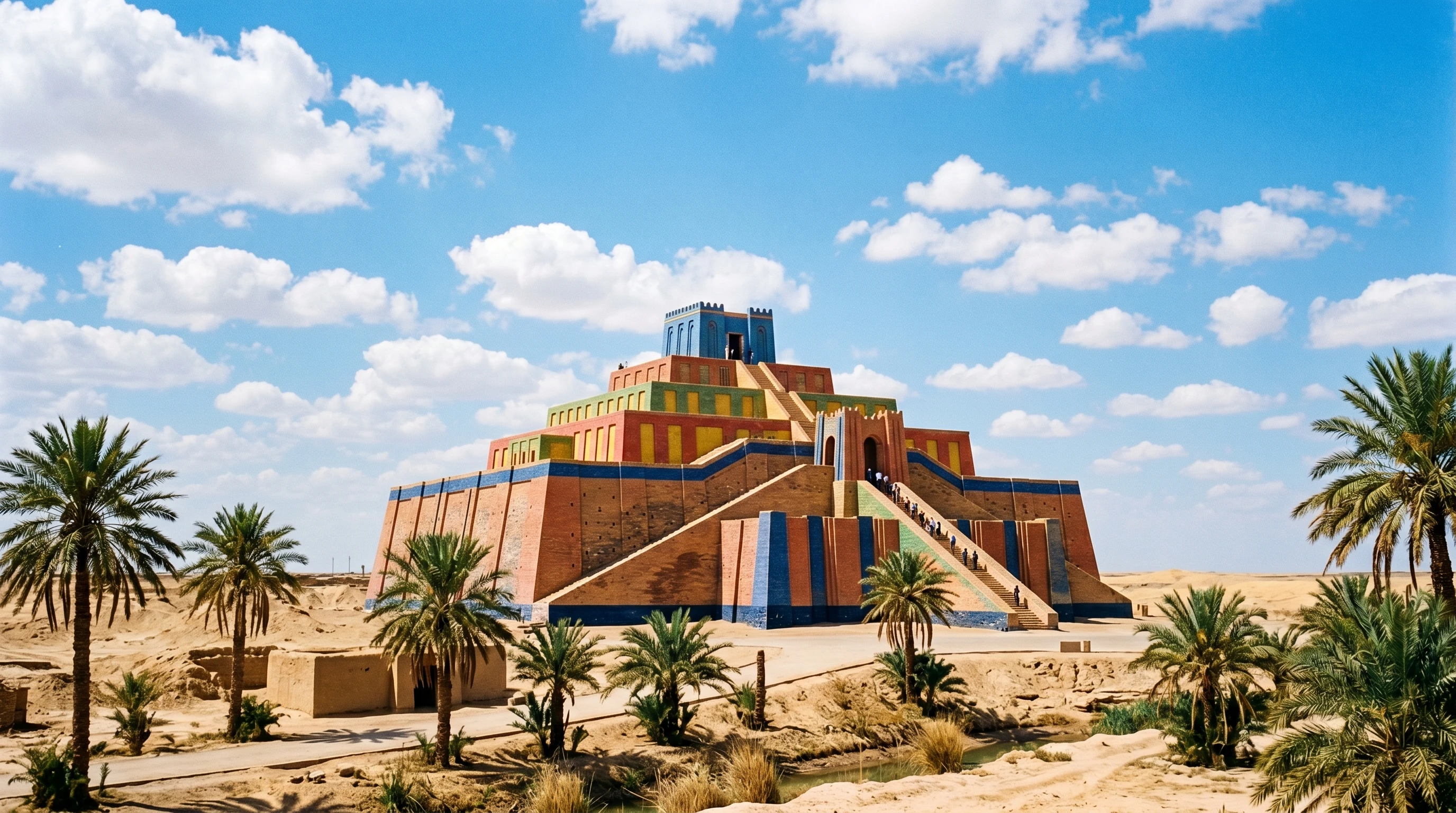
If you ever flipped through ancient history or the Old Testament, you’ve probably noticed how Babylon pops up as an actual city and empire. Think huge walls, tall towers, and a culture remembered for its power and excess. In Bible stories, Babylon is usually cast as an enemy of Israel and a symbol of rebellion against God. It conquered Jerusalem, exiled its people, and left a seriously strong impression on Jewish and Christian writings.
When the book of Revelation came along hundreds of years later, “Babylon” took on new meaning. “Mystery Babylon” is not about bricks or ruins; it refers to a powerful symbol, representing spiritual darkness and worldwide seduction away from truth, especially in Christian prophecy. The word “mystery” makes it clear this is not just geography—there’s something hidden and truly global at play.
Babylon’s old power base was physical, but Mystery Babylon points to a force that’s hard to pin down—one that’s fascinated and puzzled readers through the centuries. Some argue that this symbol picks up where ancient Babylon left off, while others see it as a separate force that speaks to every era’s struggle with false promises and moral confusion. In any case, the links to real Babylon lend Mystery Babylon some historical weight and gravity.
Symbolism in Revelation: What Makes Mystery Babylon Unique?
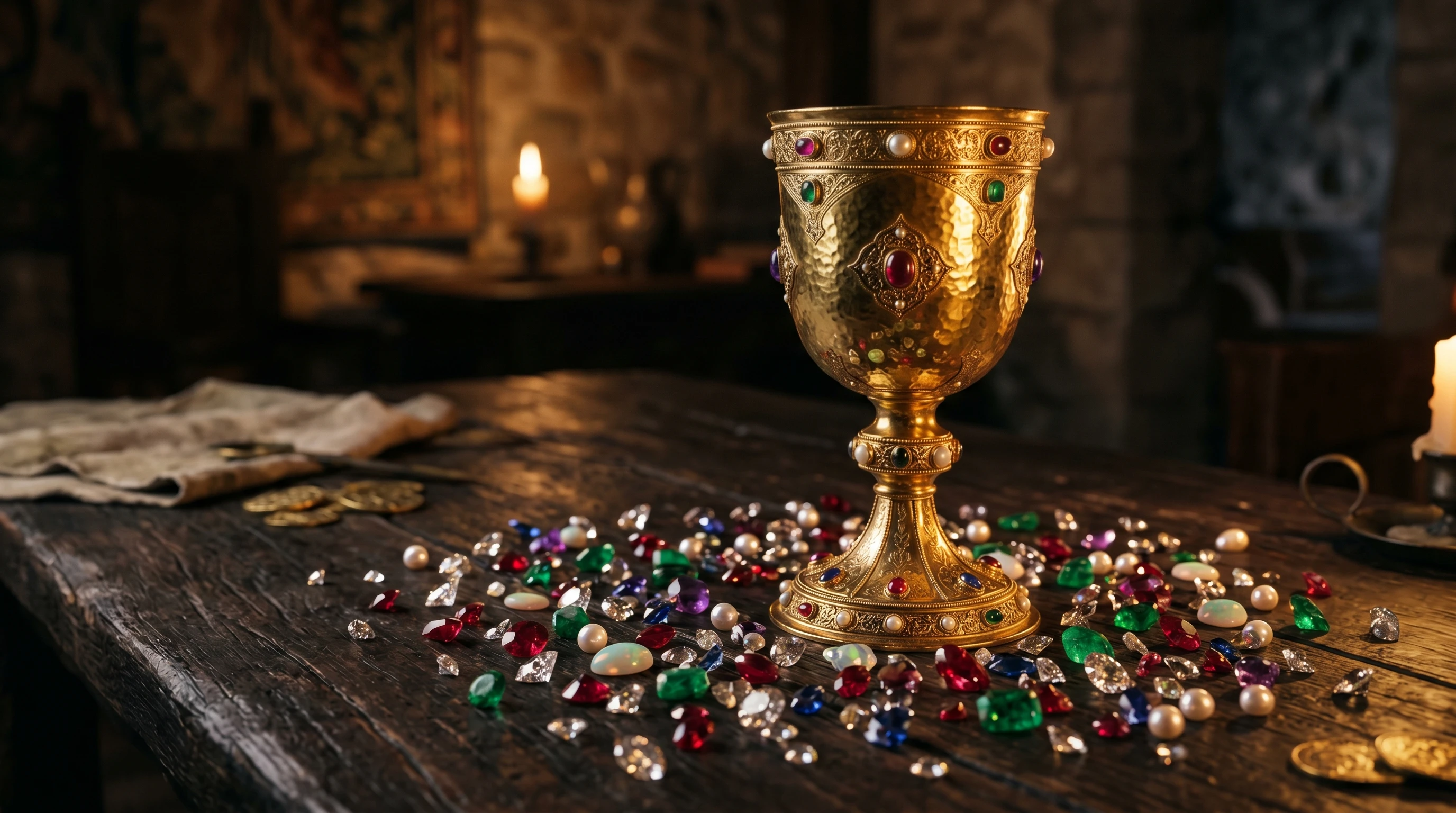
In Revelation chapters 17 and 18, “Mystery Babylon the Great” is shown as a lavish woman sitting on a beast. She’s described as wearing purple and scarlet, decked with gold, and holding a golden cup. She’s dubbed “the mother of prostitutes and of the abominations of the earth.” The imagery is pretty wild, meant to paint a picture of influence, temptation, and deep spiritual confusion stretching far beyond one nation.
Many Bible readers see “Mystery Babylon” as covering anything that pulls people away from genuine faith—whether that’s corrupt religion, shady politics, or a swirl of power and pleasure distracting from spiritual truth. The cup she holds can symbolize fake promises, temporary fixes, or corrupted teachings. Sometimes, the specifics are debated, but most agree the warnings are hard to ignore.
Real-World Connections: History, Prophecy, and Interpretation

The line between the ancient city of Babylon and the symbolic Mystery Babylon can get blurry. Early Christians under Roman rule often saw Rome as their “Babylon,” a symbol of a corrupt world power. Over the years, people mapped their own meanings onto the concept. Some say it relates to political powers, while others point to religious systems, economic empires, or just society turning away from spiritual values.
Modern interpretations keep popping up. Some try to link Mystery Babylon to certain world cities, organizations, or cultural trends. These ideas always spark debate and rarely reach consensus. What stands out is the timeless warning against buying into impressive-looking systems that actually lead people away from truth, justice, or real faith.
Lasting Impact: Why Mystery Babylon Still Gets Attention

Mystery Babylon is not just an old prophecy artifact. The idea keeps grabbing attention because it speaks to timeless struggles, like the pull between real faith and the things that try to take its place. Whether you see it as a broad symbol or try to pin it down, it sparks big conversations about trust, what lasts, and the risks of following things that look great but disappoint in the end.
Artists, writers, and filmmakers often borrow the dramatic visuals from Revelation when dealing with themes of a world chasing after power or hollow promises. Whenever society debates what’s worth pursuing, the story of Mystery Babylon sits in the background as a reminder and a challenge. It asks us to figure out what is steering our lives and if we are happy with the direction.
Wrapping Up: What Mystery Babylon Means for Us
For me, the story of Mystery Babylon is a nudge to pay close attention to what we trust most. The symbol invites everyone to stop and ask if they’re chasing things that seem awesome but don’t really last. Mystery Babylon stays captivating, not just because it’s mysterious—but because it raises questions about picking real truth over shiny surfaces.
Conversation Starter
What’s your take on Mystery Babylon?
Did any part of this story or the symbolism stand out or spark questions for you? I’d love to hear your perspective. Drop a comment and share your thoughts on how this ancient mystery fits into the world today.