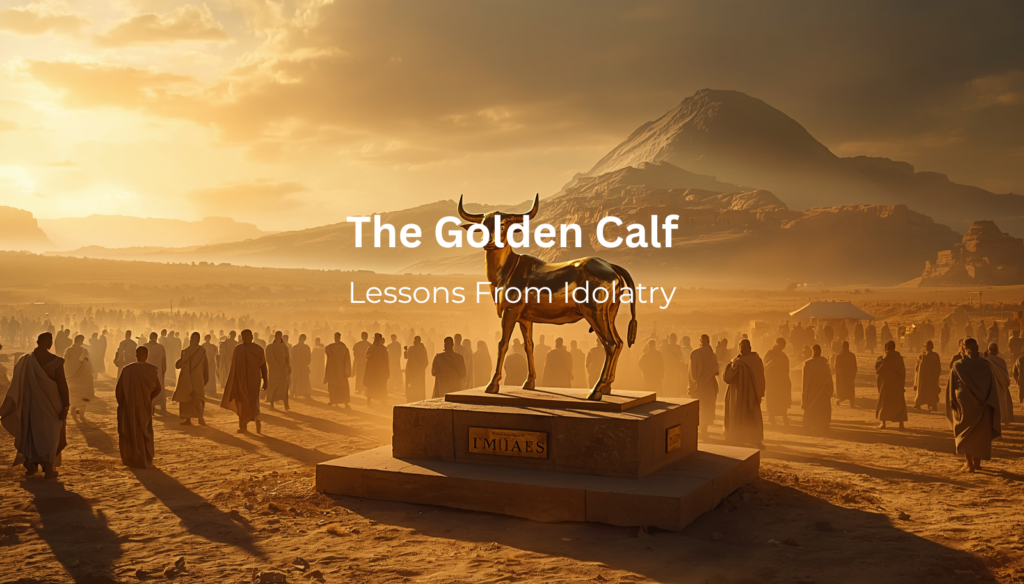
The story of the Golden Calf pops up right in the thick of the Exodus adventure. The Israelites, feeling restless as Moses spent time on Mount Sinai, decided to make a visible god for themselves. This led to the creation of a golden statue, which stands as a powerful moment that reflects much more than just disappointment or impatience. It’s a scene that still jumps out to modern readers because it spotlights basic human needs—and what can go wrong when we want quick comfort or control.
What really fuels the urge to turn toward idols, even after seeing incredible things?
Key Insights From the Golden Calf Story
- Idolatry’s roots in impatience and fear
- The draw of tangible symbols and quick fixes
- How leadership choices set the tone for a community
- What repentance and change can look like after making mistakes
- The bigger lesson about ongoing loyalty and trust
Why the Golden Calf Episode Still Matters
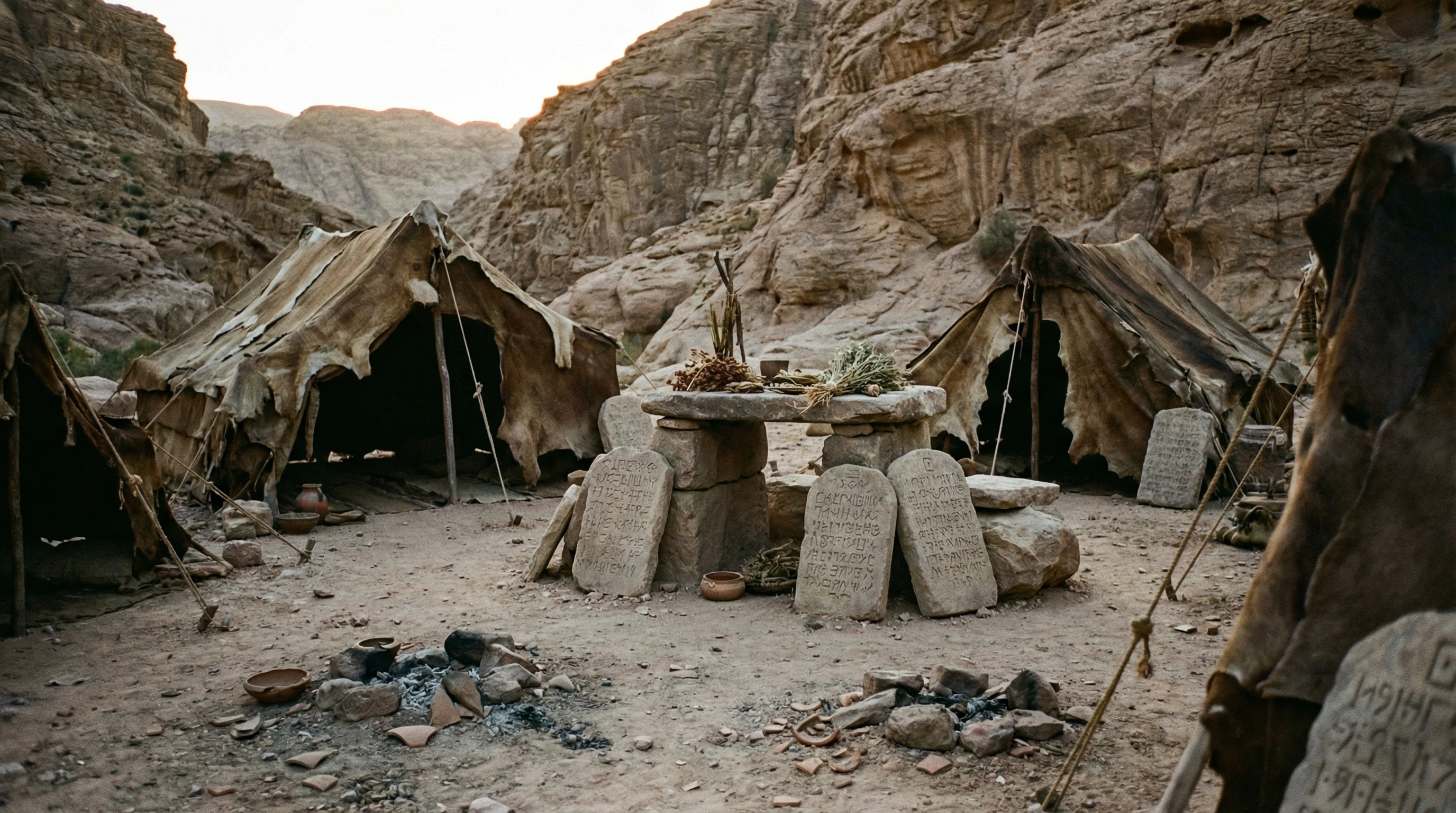
When you read about the Golden Calf in Exodus 32, you get a front-row seat to human nature under pressure. The people didn’t just reject their faith; they wanted something immediate and visible. Waiting was tough. Their leader, Moses, was gone longer than expected, and that wait created space for fear and doubt to creep in. It’s pretty easy to spot moments like these in daily life, where waiting or feeling out of control pushes people to look for something quick and certain.
Turning to the Golden Calf wasn’t some ancient oddity I can’t relate to. To be honest, it’s really about searching for comfort, clarity, and reassurance—even if that means holding onto the wrong things. This timeless tug is still just as relevant, especially at those crossroads when trust feels risky or slow.
Lessons on Idolatry: More Than Just Old Statues
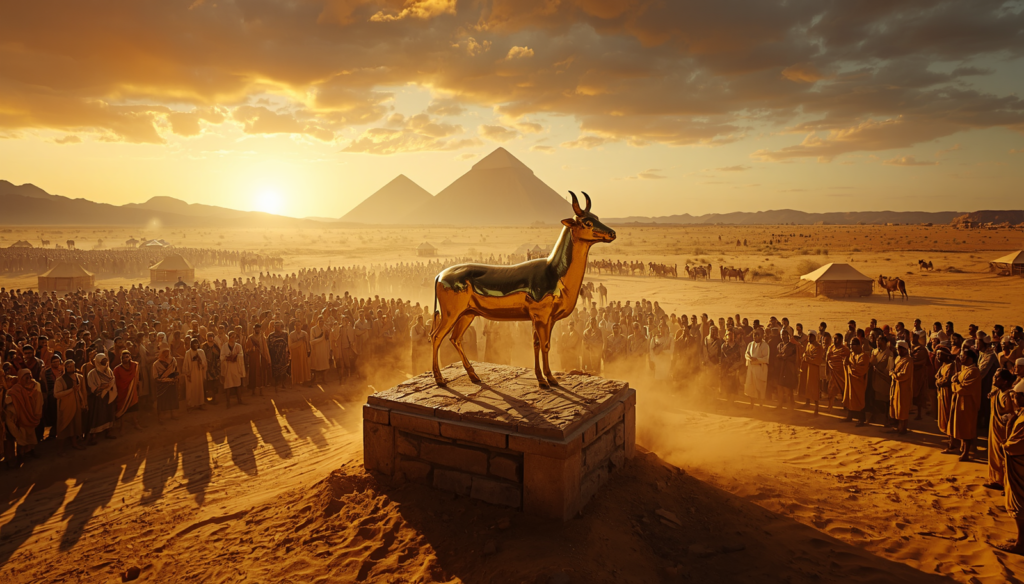
Most people who hear about idolatry imagine statues and rituals. But the core of idolatry is deeper than that. It’s about what people give their energy and attention to—whatever fills that longing for stability or meaning. Money, status, social media, or even relationships can slide into that space where trust and hope really belong. Sometimes, folks don’t even realize what they’re handing so much power over to until much later.
The Golden Calf episode nudges me to question what invisible “calves” are taking up space in my own priorities. When something steals focus away from what matters most, that’s the fuel for idolatry, even if there’s no gold statue in sight. Asking myself these tough questions is the step that keeps creeping idolatry in check. It’s a personal check-in, one I try to do regularly so I don’t wake up one day surrounded by my own invisible golden calves.
Leadership in Times of Uncertainty
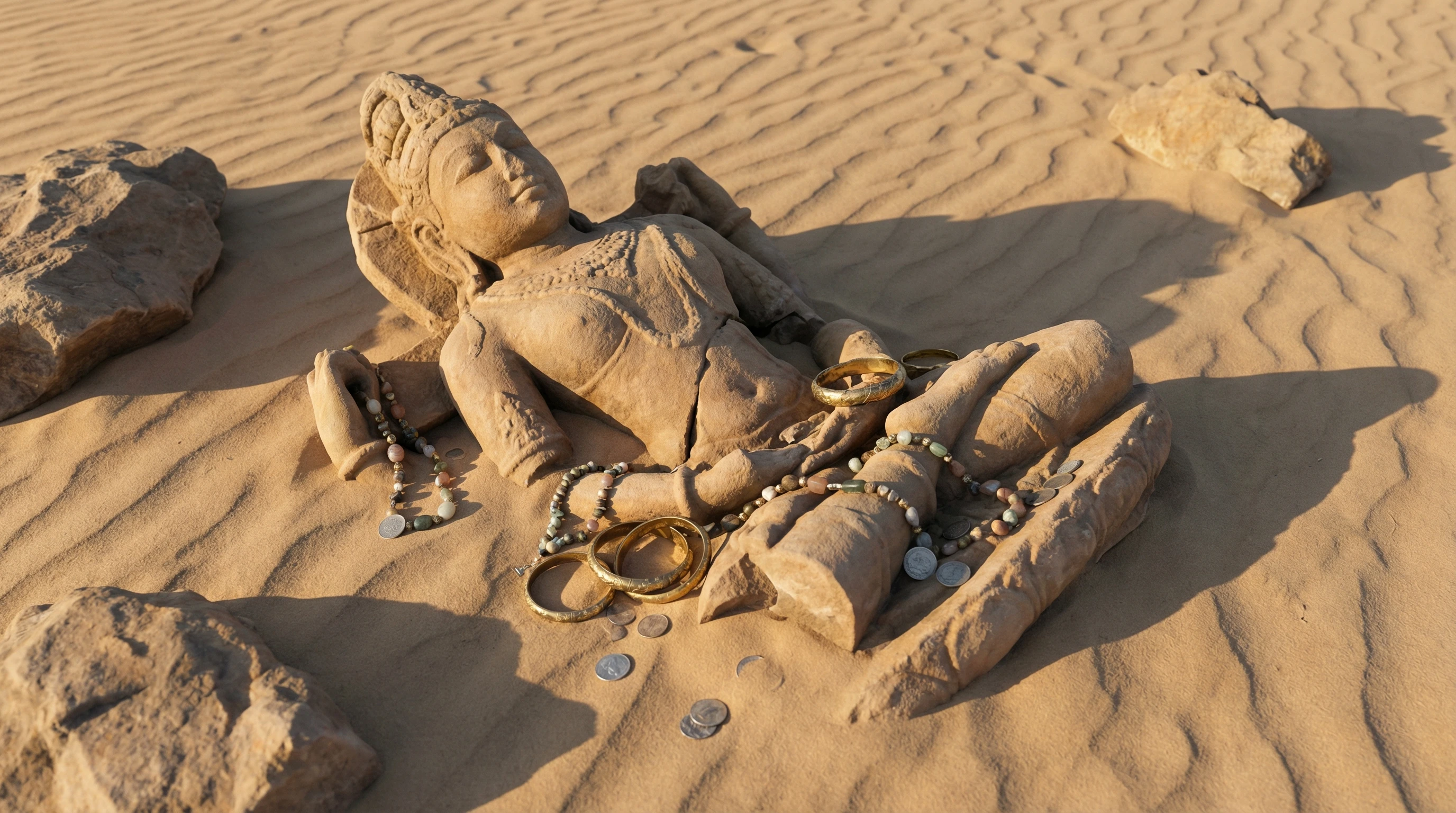
Aaron, left in charge while Moses went up the mountain, gave in to group pressure instead of staying steady. His actions show how quickly things can unravel when leaders don’t stay grounded in their values. Sometimes, making the popular choice leads everyone down a tricky path.
Good leadership is really important, especially when things get uncertain or stressful. This story reminds me that sticking with what’s right, even if it’s unpopular, often protects the bigger picture for everyone involved. When leaders hold firm and keep pointing toward what truly matters, they help keep the group focused and steady, even when things get shaky.
Second Chances and Moving Forward

The aftermath of the Golden Calf moment didn’t end in total disaster. There were harsh consequences, yes, but Moses also spoke up for the people, and there was a chance for a fresh start. That’s pretty hopeful. If getting things wrong could only end in rejection, none of us would have any hope for growth.
Forgiveness, reflection, and trying again form a big part of this story. The takeaway for me is clear: mistakes don’t mean it’s all over. What matters is whether I’m willing to reset and change direction after falling short.
Why the Golden Calf Story Still Hits Home

The Golden Calf isn’t just a lesson for ancient Israel. Trust, focus, leadership, and what we value most have never stopped being popular topics. This story has kept me thinking about moments when I’m most likely to switch focus away from trust and patience. Anytime something else takes the spot where steadfastness belongs, it’s worth paying attention to how easy it is to slide into my own little forms of idolatry.
Real-Life Question for You
What helps you stay focused on your deepest values when life gets stressful?
Feel free to share your perspective below—I’d love to hear how you find your way through distractions and keep your priorities clear.