
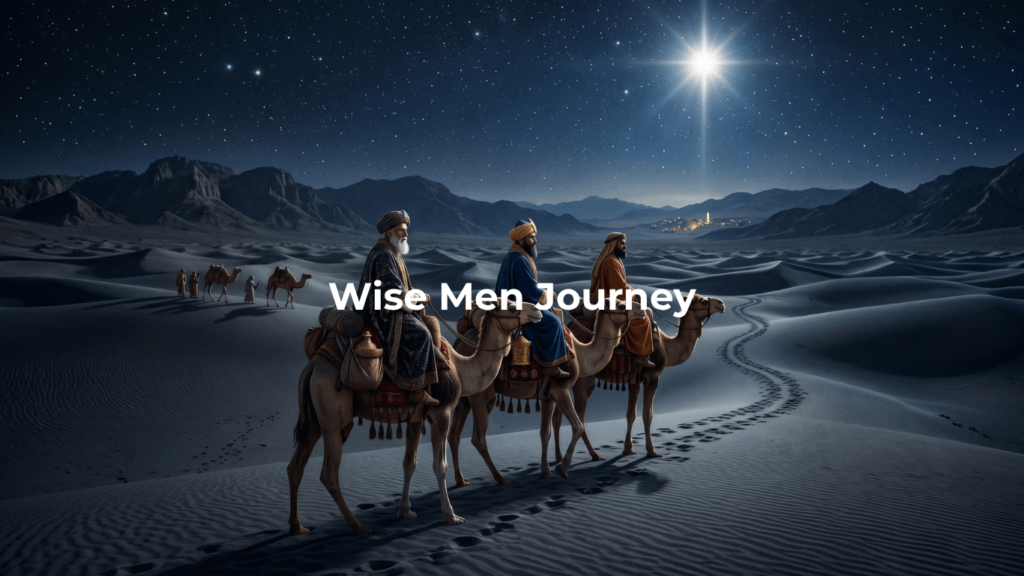
No story captures wonder and curiosity quite like the adventure of the Wise Men. These travelers, often called the Magi, famously followed a star that led them to the birthplace of Jesus. Their tale is wrapped in mystery, growing deeper every time it’s retold. For me, it’s one of those stories that feels bigger every time I get into it.
Ever find yourself asking who these Wise Men really were?
Key Points
- The Wise Men’s mysterious background and possible origins
- The powerful symbolism of the star they followed
- The meaning and purpose behind their gifts
- The challenges and risks of their adventure
- The Wise Men’s impact on the Christmas story and beyond
- Modern lessons from the Magi’s adventure
Tracing the Origin of the Wise Men

The Wise Men first show up in the Gospel of Matthew, but details about them are scarce. Most people know them as kings, but the Bible simply calls them “Magi,” a word used for priestly scholars in ancient Persia or Babylon. Historians and Bible experts still debate their exact origins, but these explorers probably came from the East, likely blending science, spirituality, and curiosity. For those who like to dig into ancient cultures, the word “Magi” itself opens up a whole world of interesting traditions and beliefs.
The familiar idea that there were three Wise Men mostly comes from the number of gifts they offered, not from any direct reference. Some traditions have suggested twelve or even more visitors, adding to the sense of mystery. Their background as stargazers, sometimes called astrologers, gives their trip even more of an eye-catching quality for anyone interested in the mix of astronomy and faith. Imagine spotting something unusual in the sky and being so convinced it meant something, you’d set out on an epic journey across the ancient world.
In ancient times, the Magi might have been respected advisors or spiritual leaders. Their knowledge about the stars and traditions could have made them important figures in their own countries. Even today, there’s still ongoing research to try to link the “star” mentioned in the Bible with actual astronomical events from that time, showing that their legend continues to capture scientific interest.
The Adventure: Following the Star

I’m always struck by how much faith—and grit—this trip would require. The Wise Men saw an unusual star, took it as a sign, and set out with little more than their knowledge and hope that it would lead them somewhere meaningful. Their adventure likely spanned hundreds of miles across difficult ground, all without any of the modern travel comforts we’re used to. That spirit of trusting a sign, with so few guarantees, says a lot about their drive.
The star is much more than just a plot point. For many, it shines as a symbol of guidance, hope, and the idea that sometimes answers appear in the most unexpected places. Ancient stargazers saw the sky as full of meaning; spotting something unique was enough to spark a life-changing search. It reminds me that wonder can still inspire us to step out of routines and follow something we believe in, no matter how far it takes us from home.
Gifts and Their Meanings

Gold, frankincense, and myrrh—these are more than just impressive-sounding names from Christmas carols.
- Gold is straightforward: valuable and a sign of royalty or honor.
- Frankincense, a fragrant resin used in worship, stands for spirituality and prayers going up.
- Myrrh, often put to work in anointing oil and burials, takes the story into deeper territory, pointing toward both hardship and hope to come.
People have different opinions about why these gifts were picked, but one thing is clear—they spark conversations about what it means to offer something truly meaningful. The gifts encourage us to think about generosity, thoughtfulness, and sharing what’s really valuable to us, whether that’s time, kindness, or something physical.
The Challenges of the Adventure
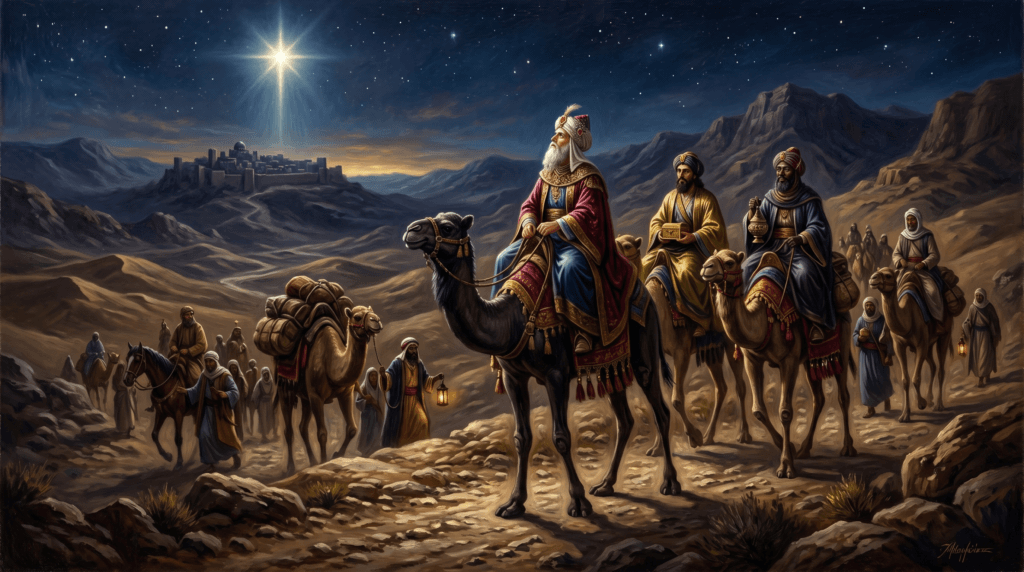
This was no easy road trip. The Wise Men had to cross vast stretches of barren wilderness, handle unpredictable weather, and work through unfamiliar customs. Beyond those obstacles, they also had a tense meeting with King Herod in Jerusalem, who was famously uneasy about any challenge to his rule. Herod’s careful questions and behind-the-scenes scheming put the Wise Men in real danger.
Their ability to adapt and keep going, even when risks popped up unexpectedly, gave them a chance to complete what they set out for. It shows a kind of resilience and flexibility that feels pretty familiar to anyone who’s ever faced an uncertain road. Those moments of not knowing what comes next are what make the story so timeless.
Why the Wise Men’s Story Feels Current
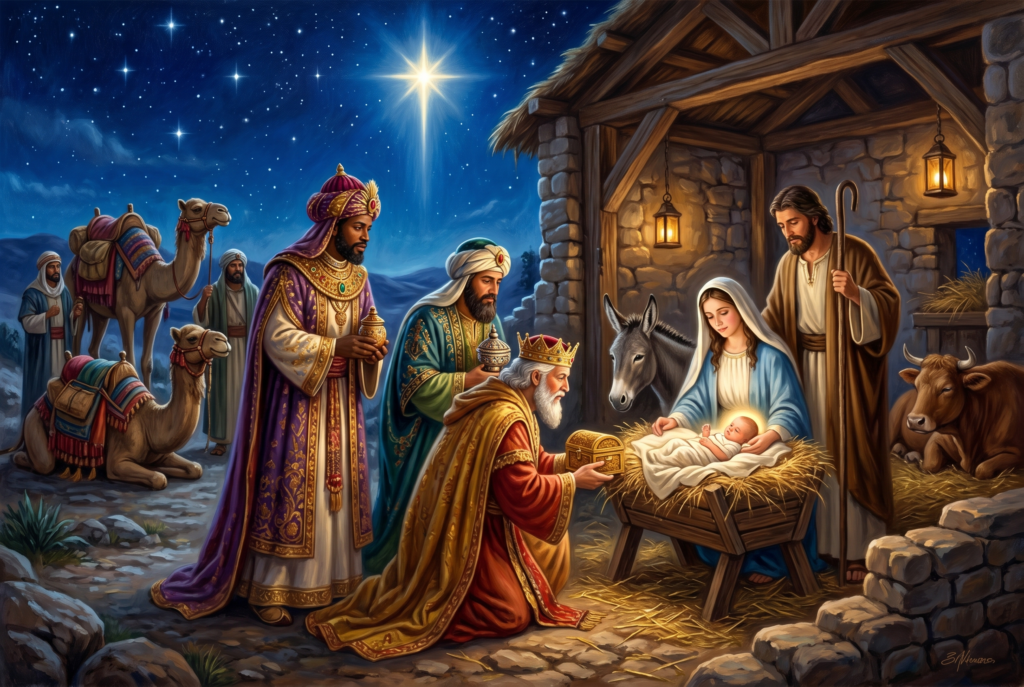
The adventure of the Wise Men isn’t just about distance or old traditions. It’s about searching for meaning, acting on hope, and being open to taking the unexpected path. Whether they were kings, scholars, or spiritual seekers, their story nudges all of us to look for signs of hope and to act with curiosity and generosity.
Maybe that’s why their story is retold every year; it’s a reminder that sometimes the best things in life come from being willing to head out into the unknown. Their tale also offers a moment to reflect on the values of persistence and openness, which are as valuable now as they were in ancient times.
Question for Readers
Have you ever felt drawn to start an adventure or look for meaning, even when the path wasn’t clear?
Share your own experience or thoughts in the comments; there’s always something to learn from a good adventure story.