Mark of the Beast is one of those phrases that gets tossed around a lot, especially when the conversation turns to Bible prophecy or end times. Most people recognize it from the Book of Revelation in the New Testament, where it talks about a mysterious mark that sets people apart in a big way. This topic has sparked plenty of curiosity (and even a bit of fear) for centuries.
Ever wondered what the Mark of the Beast really means and where the idea comes from?
? Quick Highlights
- The biblical context of the Mark of the Beast in Revelation
- Different interpretations across Christian traditions
- Symbolic meaning versus literal understanding
- How the Mark is connected to buying, selling, and economic control
- Pop culture influence and modern debates
- Why it still matters in faith discussions today
Biblical Origins: Where the Mark of the Beast Comes From
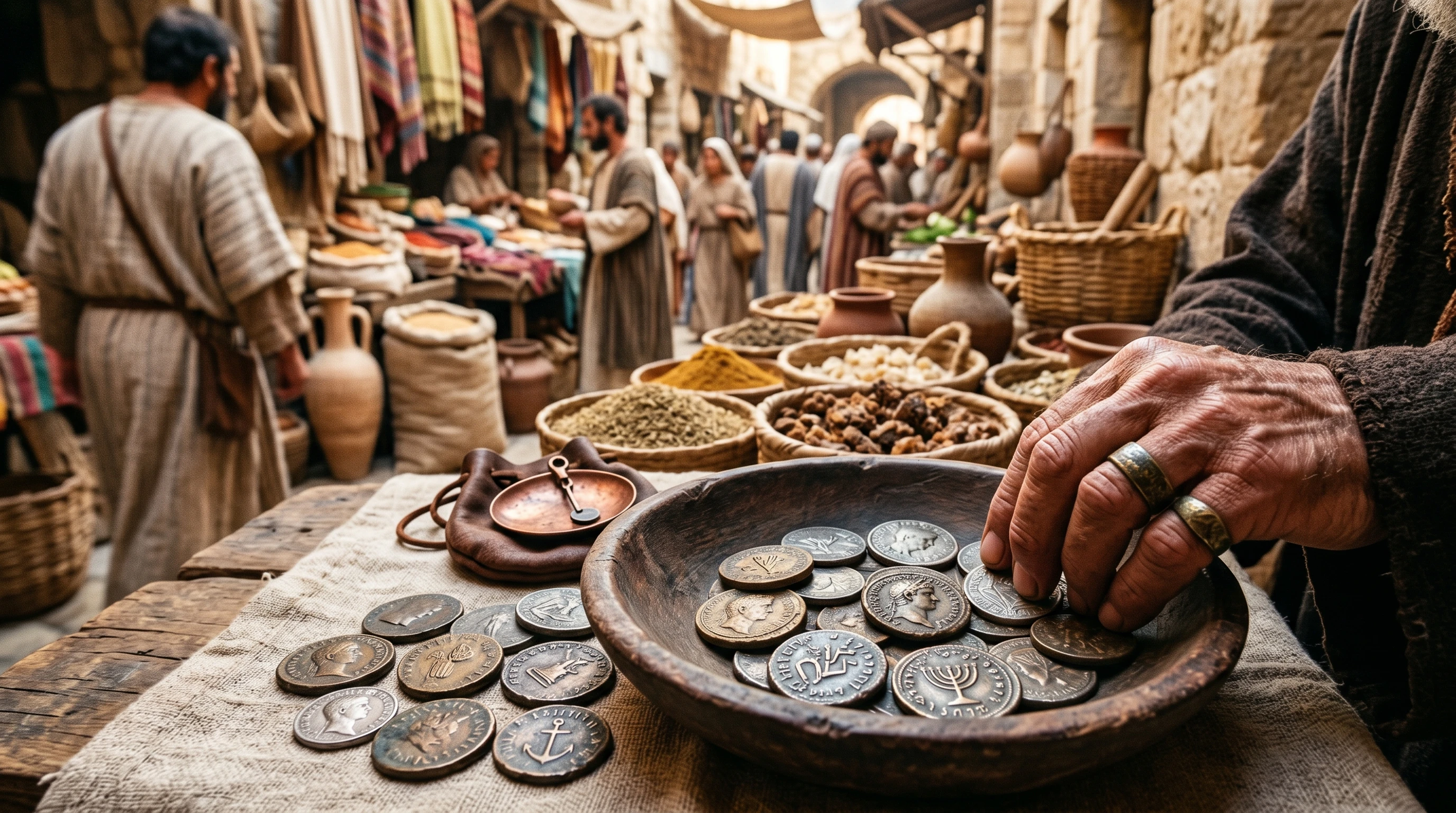
The Mark of the Beast pops up in Revelation 13, where it describes a ‘beast’ rising up and demanding loyalty from everyone. The mark itself is supposed to go on the right hand or forehead, and without it, people can’t buy or sell anything. Revelation even calls out a number, 666, as being connected to this mark (Revelation 13:16-18 NIV).
Writers from the early church up into the present have poured over these verses, trying to figure out what John, the author of Revelation, was really getting at. Some say he was using intense imagery to describe persecution under the Roman Empire. Others think this points to a future event with a powerful leader (sometimes called the Antichrist) who might show up just before the end of time.
Symbolic vs Literal: How People Interpret the Mark
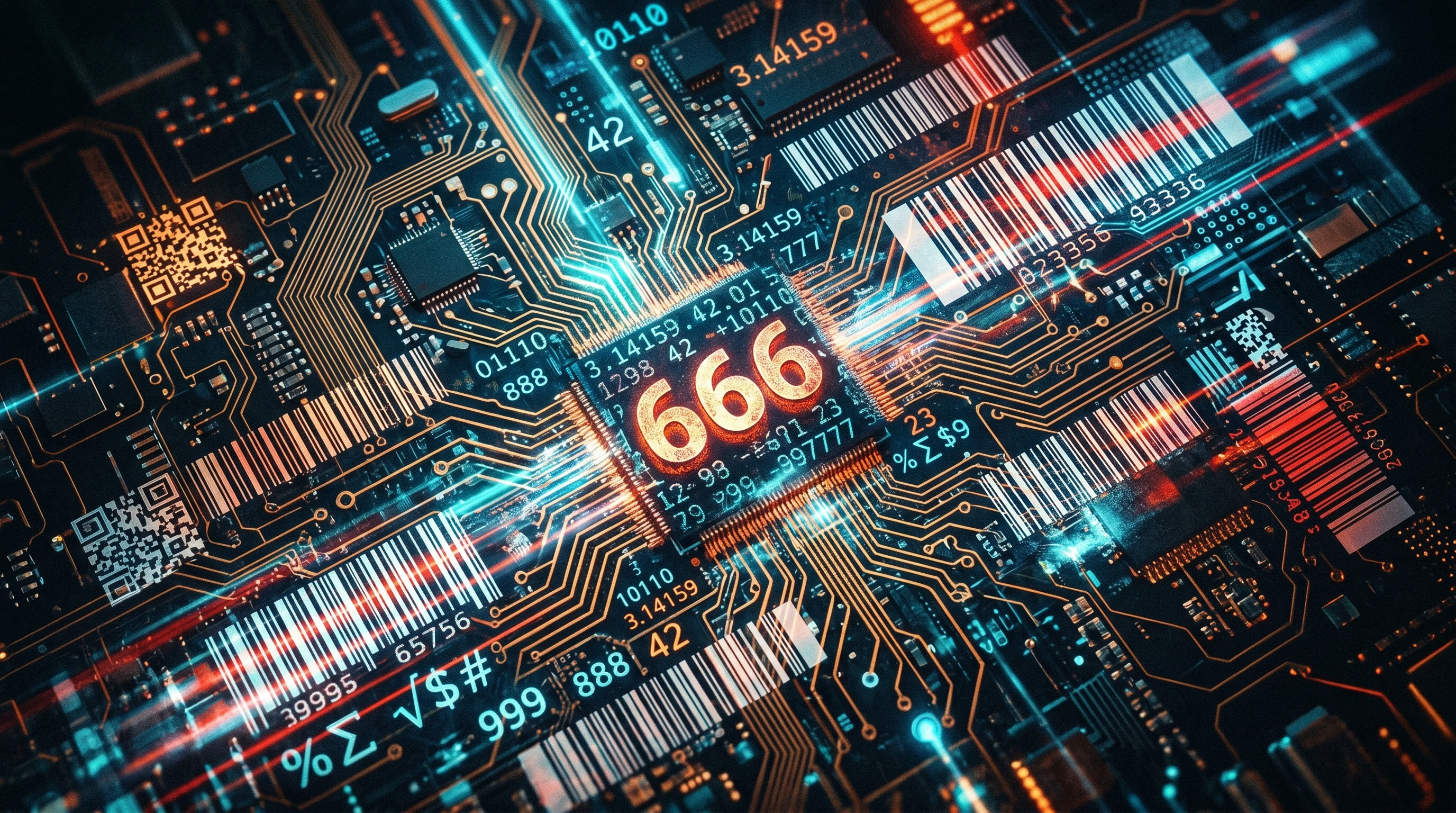
People don’t always agree on what the mark actually is. Some view it as a literal thing, maybe a physical mark, tattoo, or even a chip. Others suggest it’s symbolic, standing for loyalty or worship directed at something other than God. In some traditions, the number 666 is tied to specific historical figures or systems that opposed Christianity.
For those who see it symbolically, the Mark of the Beast is about what or who people give their ultimate loyalty to. It’s not just about an external sign but involves deeper choices about which values guide your life. If someone “takes the mark,” that might mean deciding to go along with something that clearly goes against their faith or conscience.
Some traditions also connect the mark to total allegiance to worldly systems or pressure from authorities. This focus on loyalty and values makes the idea relatable in various cultural and historical contexts. Instead of a sci-fi technology, it becomes a challenge for each person to figure out what shapes their moral direction and which compromises they find acceptable.
Control, Commerce, and Community: The Mark’s Role in Daily Life

What really grabs attention in Revelation is how the mark is connected to everyday economics. The text says that people without the mark can’t buy or sell, making ordinary life pretty tough. Over the years, this idea has made people more thoughtful about surveillance, technology, and economic control—anything that could track or limit participation in society.
Throughout history, different Christian groups have pointed to various political or economic systems as possible “beasts.” Sometimes even things like credit cards, barcodes, or social security numbers have been tied to this subject, often as a way to caution against losing personal freedom or going along with questionable systems. These discussions show how the Mark of the Beast continues to spark new interpretations as society evolves.
The connection to money and access is particularly meaningful in our modern world. Many fear that reliance on digital currency, online identification, or constant monitoring could lead to a loss of privacy or choices. Whether or not these concerns are connected to apocalyptic prophecy, they raise valuable questions about the balance between safety, freedom, and personal convictions in daily life.
Pop Culture, Fear, and Present-Day Curiosity
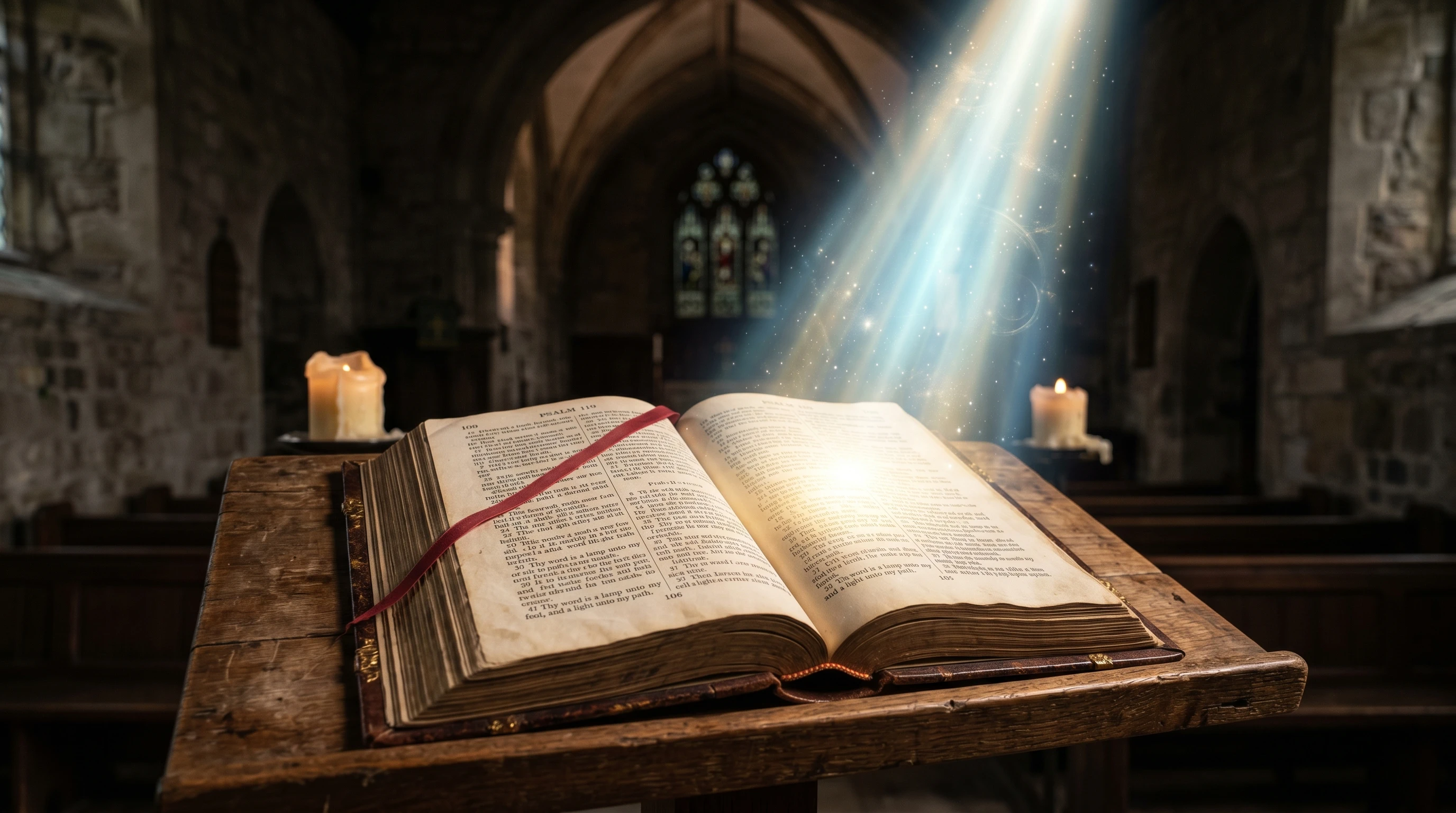
Movies, books, and news stories have picked up on the Mark of the Beast, often leaning into wild or scary scenarios. These portrayals usually focus on future technology or dramatic world events, which can spark a lot of anxiety and debate about what the future might hold. I’ve seen people debate everything from vaccination records to online digital IDs by asking if they could be the mark in disguise.
While some of these theories might sound far-fetched, the ongoing chatter keeps the topic alive in mainstream discussion. The Mark of the Beast stands at the intersection of faith, technology, and societal changes, making it both compelling and sometimes a little unsettling. It’s worth checking out credible sources and not getting swept up in every headline that mentions the mark or 666, since these can sometimes exaggerate or misinterpret the topic. Staying grounded in critical thinking helps you keep your balance amidst the noise.
Why The Mark of the Beast Still Sparks Conversation
The Mark of the Beast isn’t just about fear or conspiracy. For many, it’s a prompt to think about values, personal freedom, and the power of faith, even in tough times. The story asks people to think about what drives their choices and where they put their trust, even when things get confusing or a little scary.
Whether you take a literal or symbolic view, conversations around the mark offer space to ask honest questions. What really matters to you? Where do you draw your line when society pushes in a direction you aren’t comfortable with? Staying curious and grounded helps you find your way through all the hype and keeps the focus on living out what you truly believe each day.
? Your Take
Have you run into any interesting takes on the Mark of the Beast?
I’d love to hear your perspective. Share your experiences or insights below and join the ongoing conversation.