
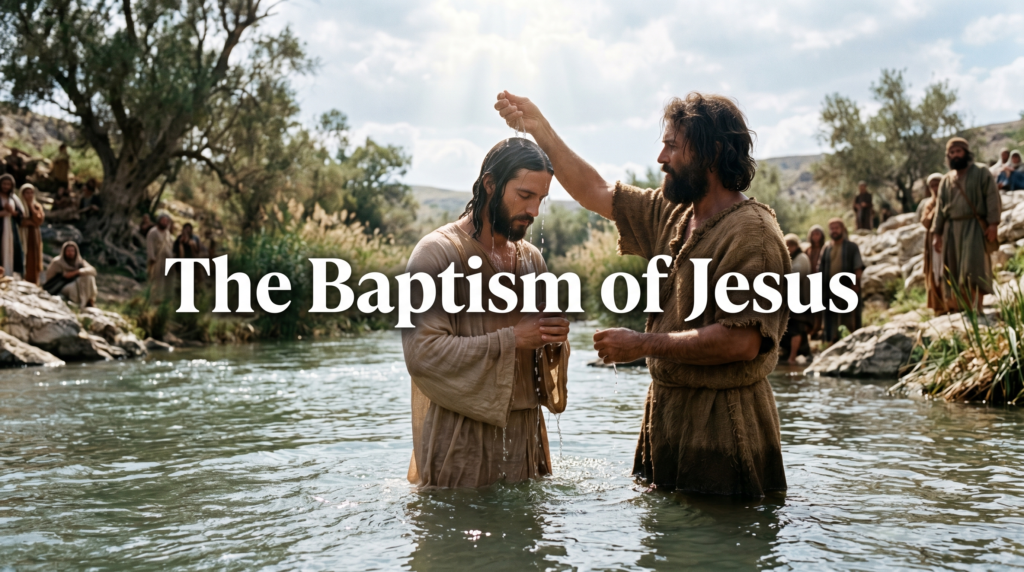
No better way to get started on this story than with the basics. The Baptism of Jesus is a big moment in the New Testament, marking the beginning of Jesus’ public ministry and showing what it looks like to follow God’s call. This event happened at the Jordan River, with John the Baptist leading the way. For many Christians, the baptism isn’t just about water. It’s about identity, purpose, and stepping into a mission.
Ever wondered what makes Jesus’ baptism so meaningful?
Main Highlights
- The biblical account of Jesus’ baptism in the Gospels
- Symbolic meaning behind the act of baptism
- The role of John the Baptist and why he baptized Jesus
- The presence of the Holy Spirit and God’s voice during the event
- What this event means for Christians today
- How baptism shapes community and spiritual practice
The Scene at the Jordan: Context and Story

Jesus shows up at the Jordan River, where John the Baptist is calling people to turn their lives around and get dunked as a sign of that change. John’s message was all about preparing for someone greater, and then Jesus walks right into the water, asking John to baptize him. John is shocked at first, wondering why the man he’s been talking about is asking for baptism. But Jesus insists, saying, “Let it be so now; it is proper for us to do this to fulfill all righteousness.” (Matthew 3:15, NIV). So John goes ahead and baptizes Jesus, kicking off something big.
This isn’t just a random river dip. Even people who don’t follow religious traditions can sense something important is happening here. For a lot of folks, the moment defines a clear “before” and “after” in the story of Jesus’ life, and introduces ideas of humility and obedience that many find worth exploring. On top of all that, this scene draws from the powerful symbols of water that ran through ancient cultures as a marker of change and a bridge between the old and the new. In doing so, Jesus’ baptism becomes a reference for countless moments of transformation in spiritual history.
The Symbolism: What Baptism Means Here

The word “baptism” comes from a word meaning “to dip” or “immerse”. In first-century Judea, ritual washing was common, but John’s baptism had a different flavor. He called people to change direction and get a fresh start. When Jesus chose to be baptized, he wasn’t confessing sin (Christian tradition teaches he was without it) but stepping into a pattern he wanted others to follow: obedience, humility, and identifying with regular people.
The moment takes on even more meaning when you realize this is where Jesus’ mission moves from private life to public calling. Right after Jesus comes up from the water, the Bible says the heavens open, a dove appears, and a voice rings out: “This is my Son, whom I love; with him I am well pleased.” (Matthew 3:17, NIV). In this instant, water shows renewal, the dove points to God’s Spirit, and the voice affirms Jesus—three amazing symbols in one story. The presence of all three elements sets an unforgettable tone for everything that follows in the Gospels.
Why John Baptized Jesus: Roles and Relationships

John the Baptist was no ordinary guy. He preached out in the wilderness, dressed rough, and had a message that shook up the religious scene. John knew someone greater was coming, but he didn’t expect to see Jesus asking for baptism. The whole point was to show that Jesus “got it”. He joined regular people and took part in a ritual everyone else was doing.
This relationship between John and Jesus also brings out the bigger story, linking the old traditions of prophets with what would become the new story of Jesus. John’s boldness and Jesus’ humility together create a scene that has held imaginations for centuries. Their relationship highlights the shift between old and new teachings and invites people to reflect on their own place in big stories.
The Spirit Descends: What Happened After

The part everyone talks about right after Jesus’ baptism is what happened in the sky. The heavens opened, the Spirit showed up as a dove, and a voice spoke clear approval. This wasn’t just for Jesus; it was like God’s stamp of approval for what was about to unfold. These details underline how the event isn’t only about Jesus stepping into his role, but also about how God works through spirit and affirmation.
Lots of Christians see this as a moment where the idea of Trinity is revealed, with all three “persons”, as tradition calls it, showing up together. Even if you’re not into theology, the sense of a new beginning is hard to miss in this story. The imagery of the dove and the voice from above have become powerful symbols for people practicing faith, reminding them of hope and support as they start something new.
The Ongoing Impact: Why It Matters Now
The Baptism of Jesus goes way beyond a story from the past. It shapes how Christian communities view things like repentance, new beginnings, and God’s approval. Baptism has turned into a public way of committing to faith in many churches, directly inspired by this event. For plenty of people, it’s a symbol that’s both ancient and fresh, representing more than tradition; it’s about renewal, belonging, and starting over. The community aspect of baptism helps people feel like a part of something bigger, linking every individual to a larger story of faith.
If you look around, you’ll find that conversations around baptism are alive and well today. People continue to ask about its meaning, to share stories of change, and to find new ways of making the act of baptism speak to their life situations. The ceremony holds its place as one of the main ways people express commitment and transformation, and its roots in Jesus’ own story make it a powerful touchpoint even for those who are new to church or exploring faith.
A Thought to Mull Over
Does baptism take on a new meaning if you see it through the lens of Jesus’ own story?
If you have questions, insights, or your own experiences with baptism or spiritual new beginnings, feel free to share in the comments. The conversation is always richer when more voices are part of the mix.