
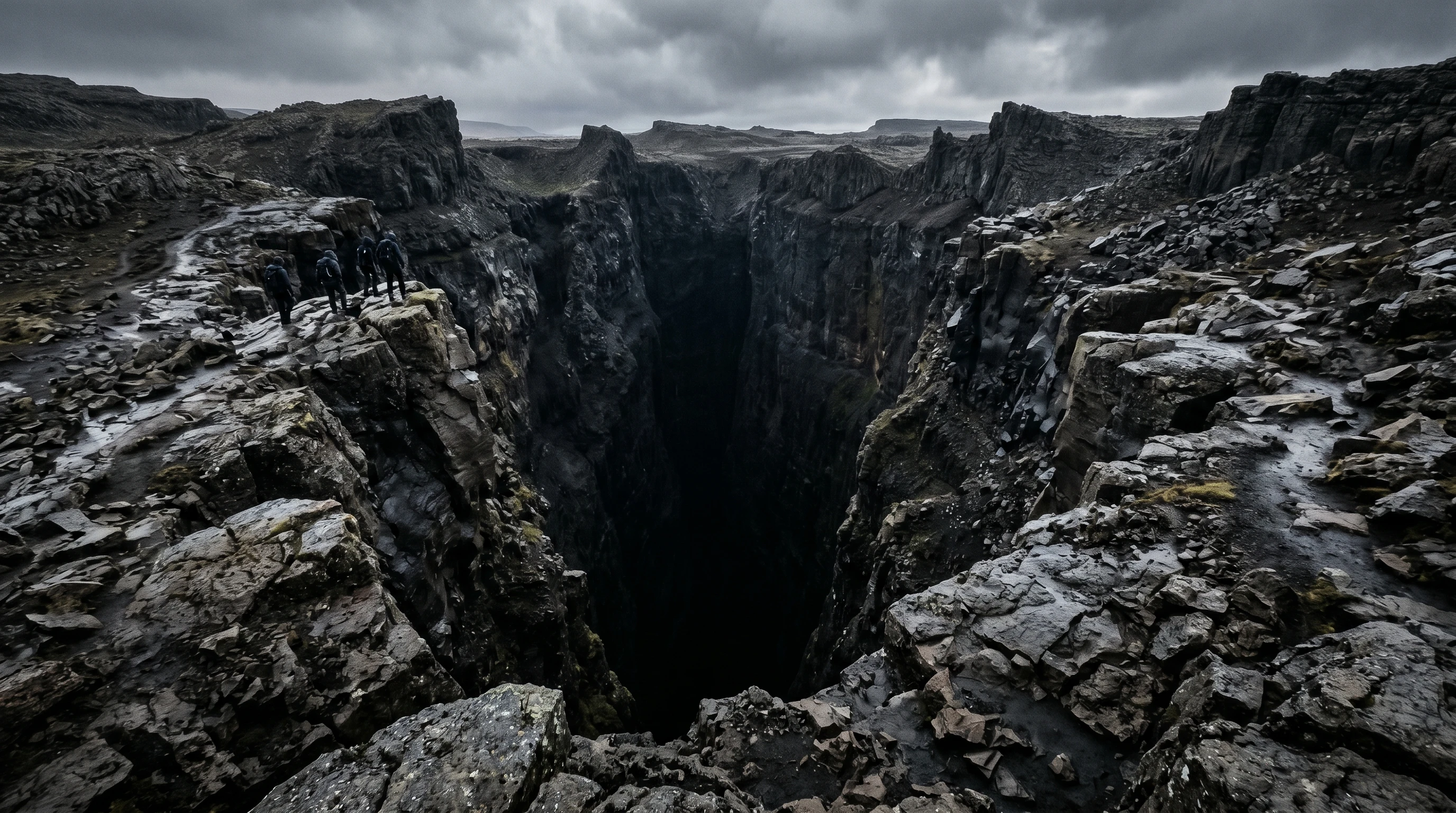
The term Bottomless Pit immediately brings to mind something deep, dark, and honestly, a bit unsettling. In religious, mythological, and pop culture discussions, it pops up in all sorts of ways, often wrapped in mystery and sometimes fear. Many people first hear about the bottomless pit in biblical texts, but the idea stretches far beyond just one tradition.
Ever caught yourself wondering what the bottomless pit really is?
? Main Themes
- Biblical roots of the bottomless pit in scripture
- How the bottomless pit shows up in different religions and myths
- Symbolic meanings: what the bottomless pit represents
- Connections between the bottomless pit and spiritual themes of punishment, chaos, and the afterlife
- How pop culture and literature portray the bottomless pit
- Why this mysterious concept still captures imaginations today
Where the Bottomless Pit Originates: Ancient Writings and Beliefs
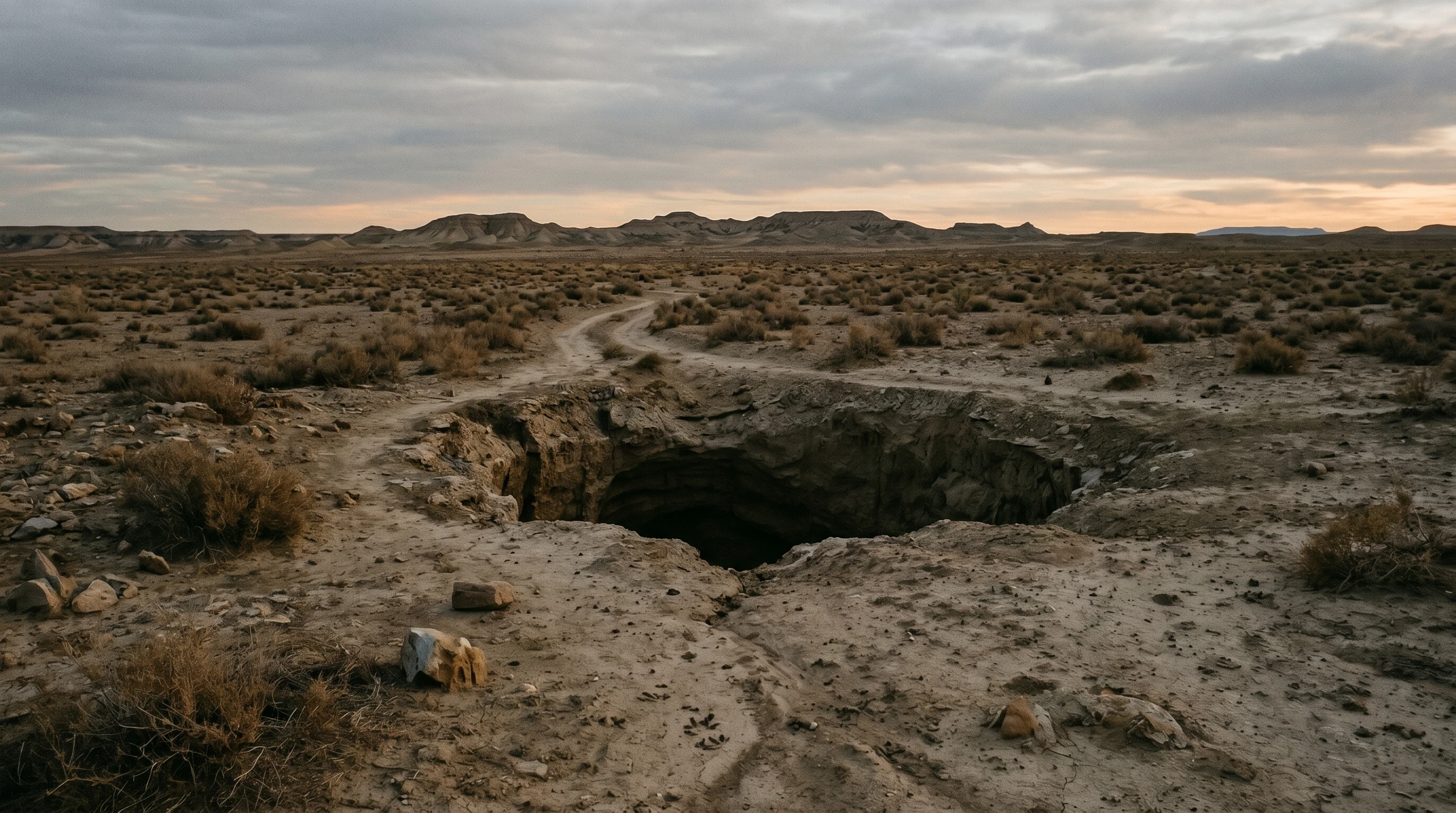
In biblical texts, especially the book of Revelation, the bottomless pit gets described as a place where dark spiritual forces are imprisoned and where chaos can sometimes be let loose. In Revelation 9, for example, a star falls to earth and unlocks the abyss, releasing smoke and locustlike creatures. In most English translations, you find it described as the “Abyss” or “the bottomless pit,” which suggests a prison for evil, locked away from the order of the living world.
Jewish writing uses similar imagery, with the Hebrew word “Tehom” meaning deep or abyss. It’s often linked to the primordial chaos before creation, so we’re talking about the very symbol of disorder. In other ancient myths, such as Greek stories of Tartarus, you’ll find something pretty similar: a deep abyss where the wicked or defeated gods are sent, far below the surface world.
This idea isn’t limited to just religious texts. In many ancient societies, the abyss or pit represented the unknown and the terrifying possibilities that lurked there. For instance, in Egyptian mythology, the Duat (underworld) was pictured as a dark, seemingly endless place separating the living from the dead. These beliefs influenced generations, shaping how people viewed the dangers and mysteries lying beneath the earth’s surface.
Symbolic and Spiritual Meanings Behind the Bottomless Pit
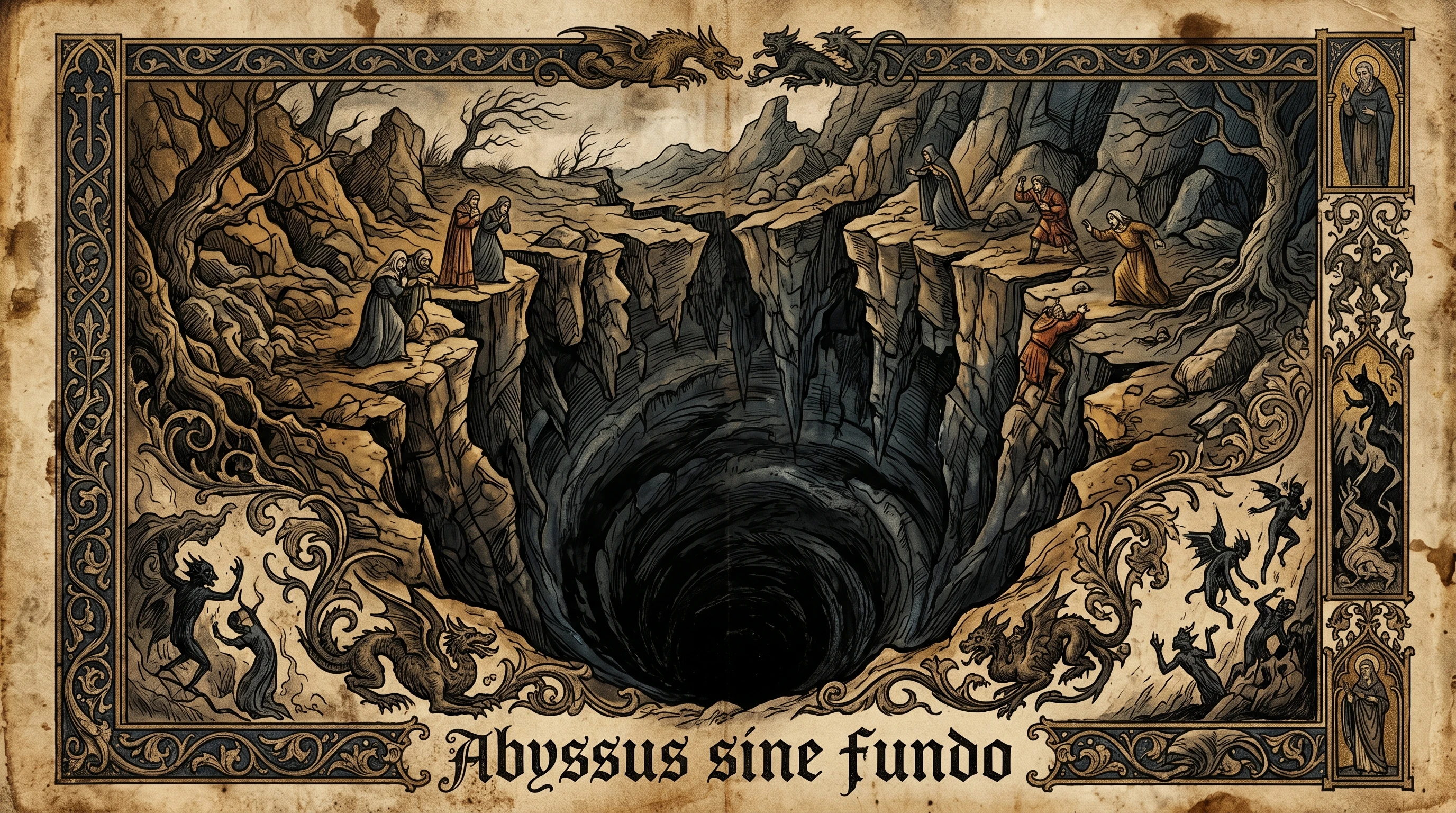
The bottomless pit tends to spark big ideas in people’s minds. It often represents chaos, banishment, or separation from goodness. In many religious settings, it’s seen as a kind of jail for evil spiritual beings. That’s why the pit is sometimes called the “abyss” because it’s so deep, no light or hope reaches it.
On a symbolic level, the bottomless pit can stand for absolute despair or endless emptiness. For some, it expresses how lost someone might feel when cut off from hope or love, or even as a warning of what happens if chaos takes over your life. In literature and personal reflection, falling into an abyss often means losing control, giving in to darker instincts, or being trapped by your worst fears.
Spiritually, this concept helps people mark the difference between order and disorder. The abyss serves as a boundary — a point of no return — between safety and danger. Philosophers and theologians have used the pit as a metaphor for struggle, temptation, and even a reminder to stay grounded in what is good and constructive. The neverending nature of the pit can also bring up thoughts on infinity and the limits of human understanding, pushing us to question our place in the universe.
In Mythology and Across Cultures: Global Views of the Abyss
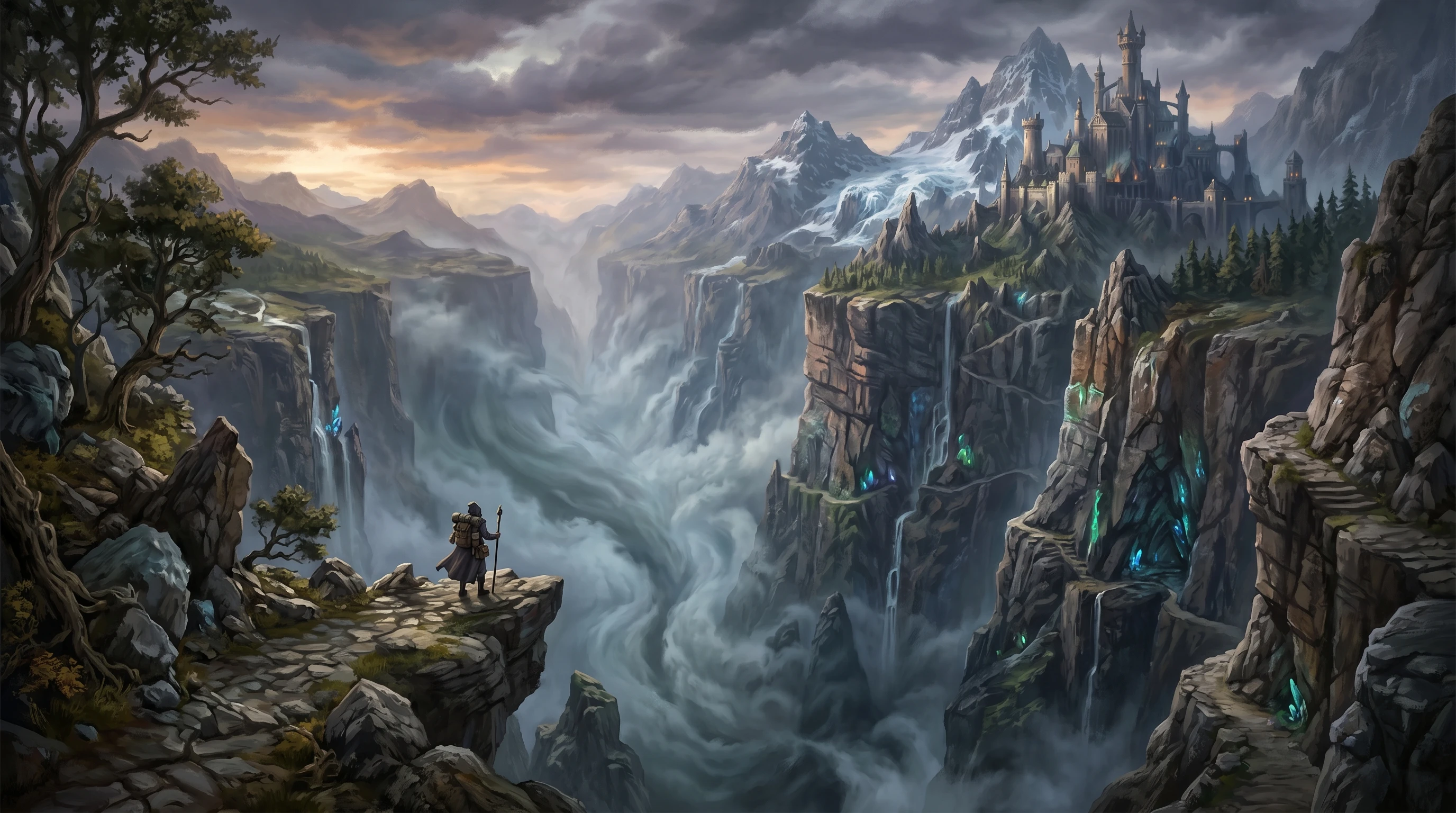
You’ll find the bottomless pit in more than just Christian or Jewish writings. In Greek mythology, Tartarus is even deeper than Hades and meant for divine punishment. In Norse myths, there’s Ginnungagap, a vast, yawning space that existed before creation, almost like a cosmic void.
In Hindu tradition, certain underworld realms are described in a way that’s not far off from the idea of the abyss. Even Native American stories sometimes talk about bottomless canyons or holes that connect the living world and the underworld. These stories often use the pit or the abyss as a way to explain the unknown, the dangerous, or the spiritual barriers between worlds.
Other world cultures, such as those in African and Oceanic traditions, also include tales of bottomless pits or chasms that represent places of transformation or testing. Sometimes, these pits are explored in initiation rituals, marking the transition from one stage of life to another, or they stand as reminders of the respect people hold for the powerful mysteries below the earth’s surface.
Modern Takes: The Bottomless Pit in Stories and Pop Culture
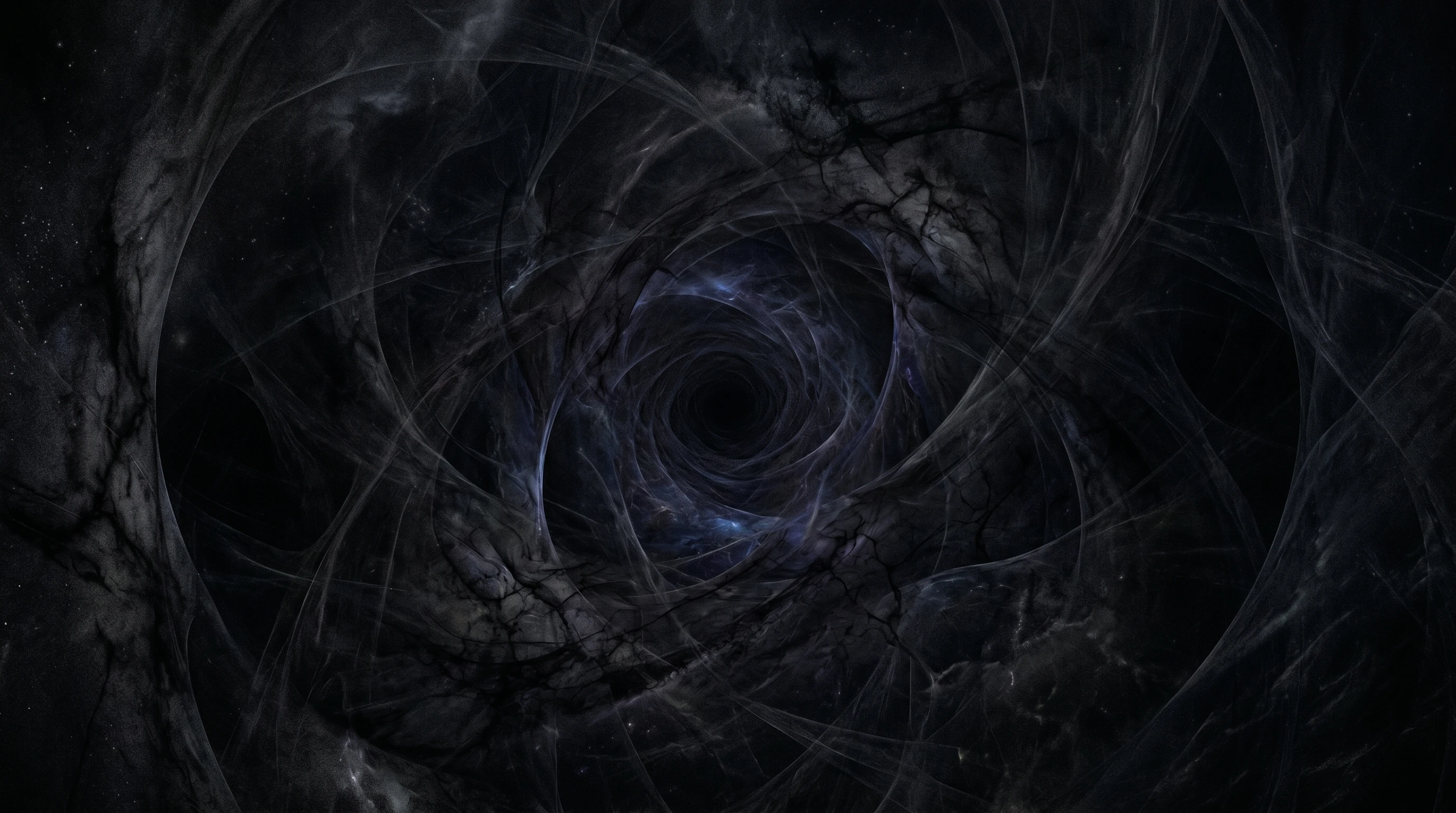
The bottomless pit hasn’t disappeared in today’s imagination. Fantasy novels, movies, and video games love using it for dramatic tension. Whether it’s a mysterious chasm in an adventure film or the endless darkness in a video game dungeon, the pit generates a sense of suspense and danger.
Writers use the idea as a setting for transformation, danger, or even redemption. The horror comes not just from the fall, but from never knowing where or if you’ll land. For plenty of people, that’s a powerful metaphor for real life fears or struggles too.
Even in music and visual art, the image of the bottomless pit shows up as inspiration. It sets up themes of risk-taking and facing the unknown, reflecting deep human emotions about fear, uncertainty, and hope. These modern references prove that the fascination with bottomless pits continues to thrive, adapting to new forms as culture evolves.
Why the Bottomless Pit Still Fascinates People
The bottomless pit keeps showing up because it taps into something really deep, our curiosity about the unknown and the limits of experience. This story asks what happens when all control is lost and what lies beyond ordinary boundaries. Whether as a warning, a symbol of hope lost and found, or a next-level cool setting for a story, the bottomless pit remains a powerful idea that gets people thinking.
Its persistence in lore and pop culture makes it easy to see why so many dig into its mysteries. For as long as humans have wondered about what’s lurking in the dark or beneath their feet, the bottomless pit has symbolized both fear and the challenge to face it—an idea that refuses to fade away.
? Your Thoughts
Have you ever come across an image of a bottomless pit in a story, film, or artwork that stuck with you?
Share your experience below; there’s always more to track down in the depths of our imagination and history!