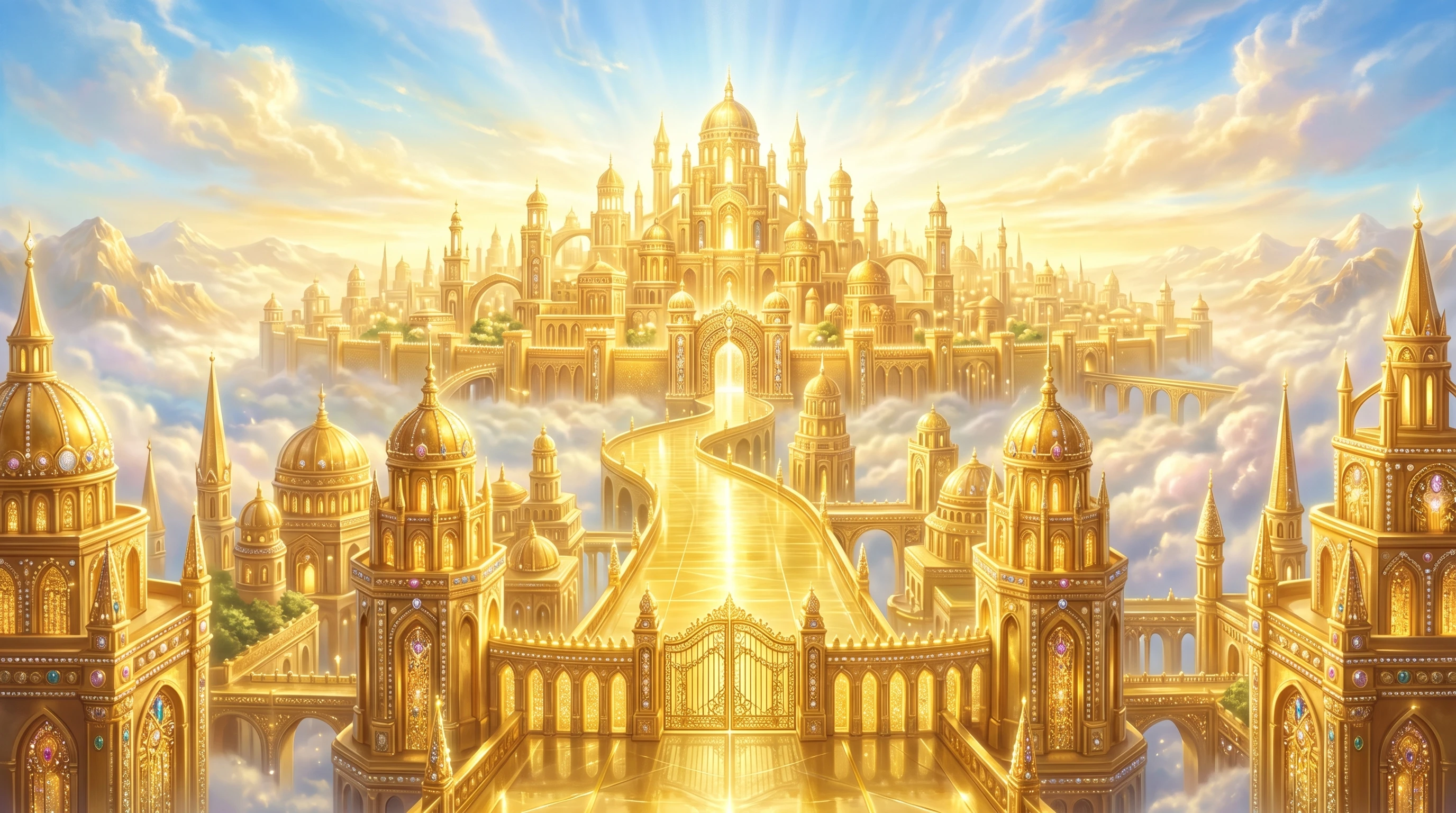
The phrase New Jerusalem pops up a lot in Christian teachings, especially when talking about hope for the future. The idea traces back to the Book of Revelation in the New Testament, where it’s described as an eye-catching city coming down from heaven at the end of time. For many, the New Jerusalem stands as a symbol of restoration, perfect peace, and God’s presence with humanity. The picture is full of vivid imagery: golden streets, giant walls, twelve gates, and a place where sorrow and pain vanish.
What makes the New Jerusalem such a big deal in faith and tradition?
Key Highlights
- Biblical roots of the New Jerusalem in Revelation and Old Testament prophecy
- Symbol of ultimate hope, a place of no more tears or pain
- Descriptions of the city’s beauty and what each symbol means
- The connection between God and people at the heart of the city
- How different traditions interpret the New Jerusalem
- Ways the New Jerusalem idea shapes Christian thinking and daily living
The Biblical Vision of the New Jerusalem
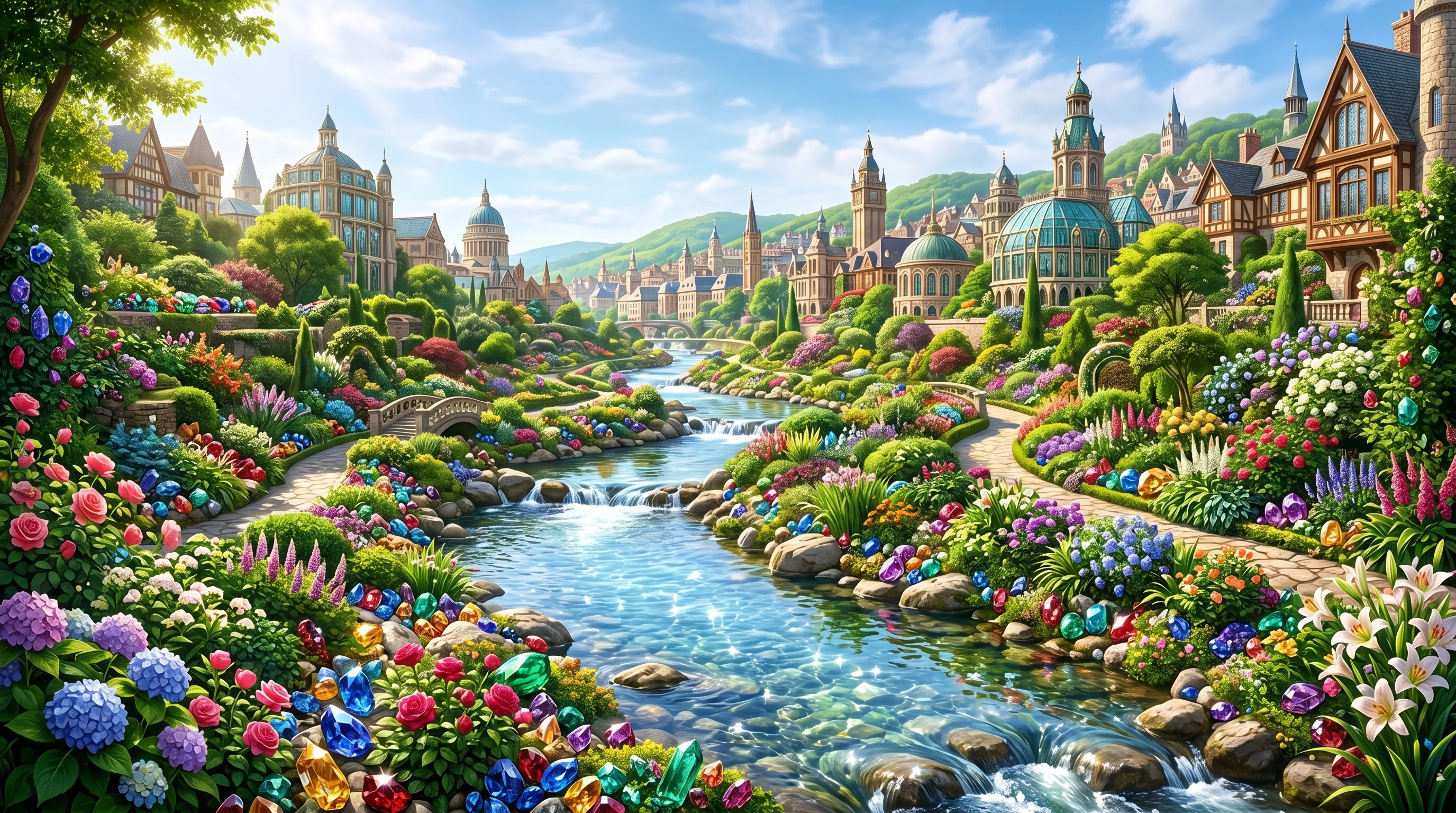
The New Jerusalem gets most of its shape from the final chapters of the book of Revelation, chapters 21 and 22. John, the writer, describes seeing a city coming down out of heaven from God. This isn’t just any old city. The text describes its walls, gates, foundations, and the brightness it carries. It’s all eye-catching gold, rare gems, and crystal clear rivers.
What really stands out is how central God’s presence is. There’s no temple in the city because, as the text says, God himself and the Lamb (another name for Jesus) live right there with everyone. There’s no need for the sun since God’s glory lights everything up. The city is filled with peace, joy, and a sense of being made whole. It’s often pictured as a place of true community, with people from every background welcomed in.
Old Testament Connections and Prophetic Hints
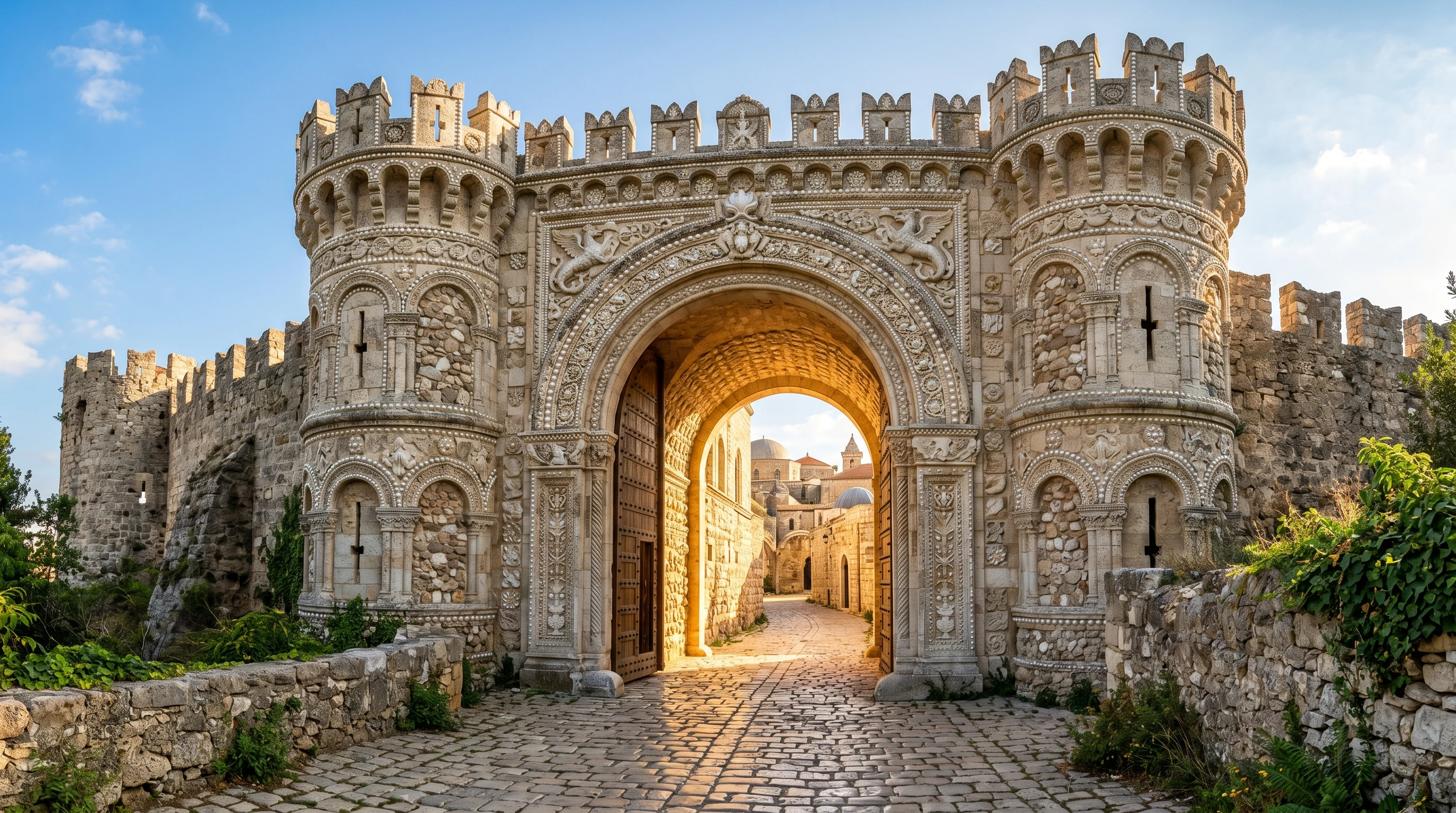
The idea of a renewed or heavenly city isn’t just a New Testament thing. Prophets like Isaiah and Ezekiel talked about a new city and a new creation, using similar language—precious stones, gates named after Israel’s tribes, and rivers bringing life. These old visions pictured a future where suffering ends and people live close to God.
This gives the New Jerusalem idea some deep roots. It connects back to the story of God’s people longing for a place where justice and peace finally win. It’s not just a place to look forward to, but a promise that things really can be made new. For those who value the continuity between old promises and new visions, this link shows how faith threads all the way through scripture.
Some traditions even look at Jerusalem, the historical city, as a shadow or taste of this future hope. Ancient poems and prayers in the Old Testament ring with hope for a city filled with peace and the presence of God—something only fully realized in this heavenly vision.
What the City Looks Like and What It Means
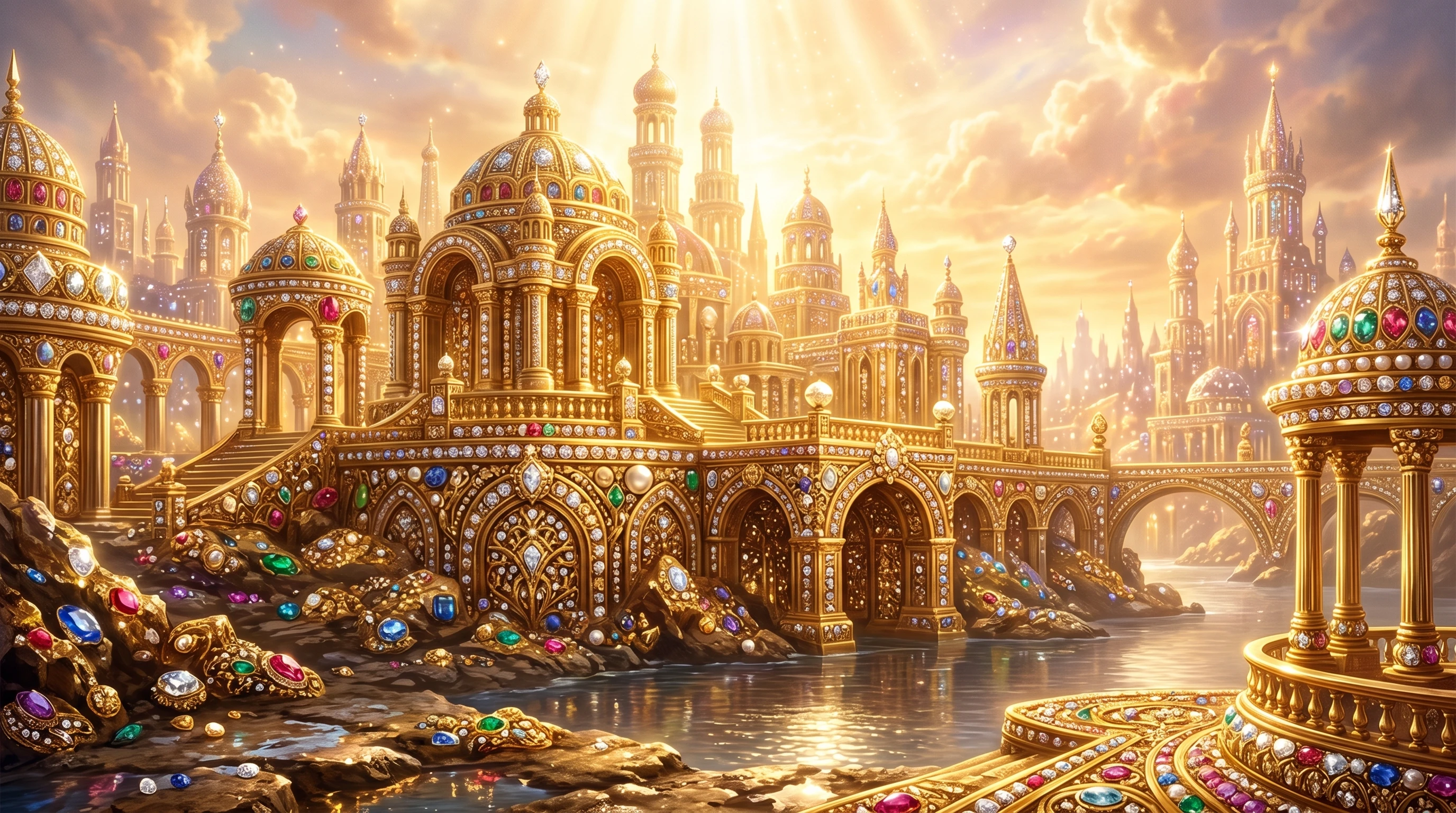
The New Jerusalem is described in incredible detail, a cubeshaped city, 12,000 stadia on each side, with twelve gates named for Israel’s tribes, and twelve foundations named after the apostles. There’s a river of life running through it, with the tree of life on each side, offering healing for all nations. Practically every part is packed with meaning.
The golden streets and jewel-covered walls aren’t just about showing off. They’re about how precious and valuable life with God is meant to be. The always open gates hint at welcome and safety. The absence of night and the river of life show a world put right, full of energy and no longer broken by darkness or fear.
The imagery jumps out as both comforting and next-level cool—there’s a strong sense of belonging and celebration. Each feature speaks to restoration, completion, and God’s desire to gather people in a place marked by joy and healing.
How People Interpret and Connect to the New Jerusalem
Different traditions see the New Jerusalem in different ways. Some read it as a literal city that will exist once the world is renewed. Others lean toward a spiritual meaning, as a symbol of God making all things new and restoring relationships.
For many believers, the New Jerusalem shapes how they think about hope, justice, and living well now. It’s a reminder that the Christian story points toward wholeness, belonging, and renewal. In some churches, hymns and prayers pick up the New Jerusalem theme as a way to express longing for a better world.
In today’s cultural conversations, the idea of the New Jerusalem continues to stir imagination and give a boost to activism, encouraging people to look at how their faith can translate into compassion and justice in daily life. The city’s symbols of unity and peace invite believers to form inclusive communities—spaces that reflect the values of the city to come.
Why the New Jerusalem Idea Still Matters
The New Jerusalem isn’t just about waiting for something far off. It’s a way of picturing the depth of hope at the heart of faith; the idea that love, peace, and community are meant to last. For many, it motivates kindness in daily life and encourages them to work for healing in their own communities. It shows up in art, conversations about what heaven could be, and dreams about being close to God and one another.
Even for those outside the Christian tradition, the vision echoes universal dreams of restoration and joy. The New Jerusalem can be a symbol that inspires reflection on what it means to hope, build a just society, and look forward to a world made whole. Whether you see it as a literal city or a rich symbol, its message invites everyone to get involved in shaping a community threaded with light and welcome.
Thought-Provoking Closing Question
How does the idea of the New Jerusalem shape your own sense of hope for the future?
Feel free to share your ideas or questions below, and join the conversation with others interested in what the New Jerusalem means today.