
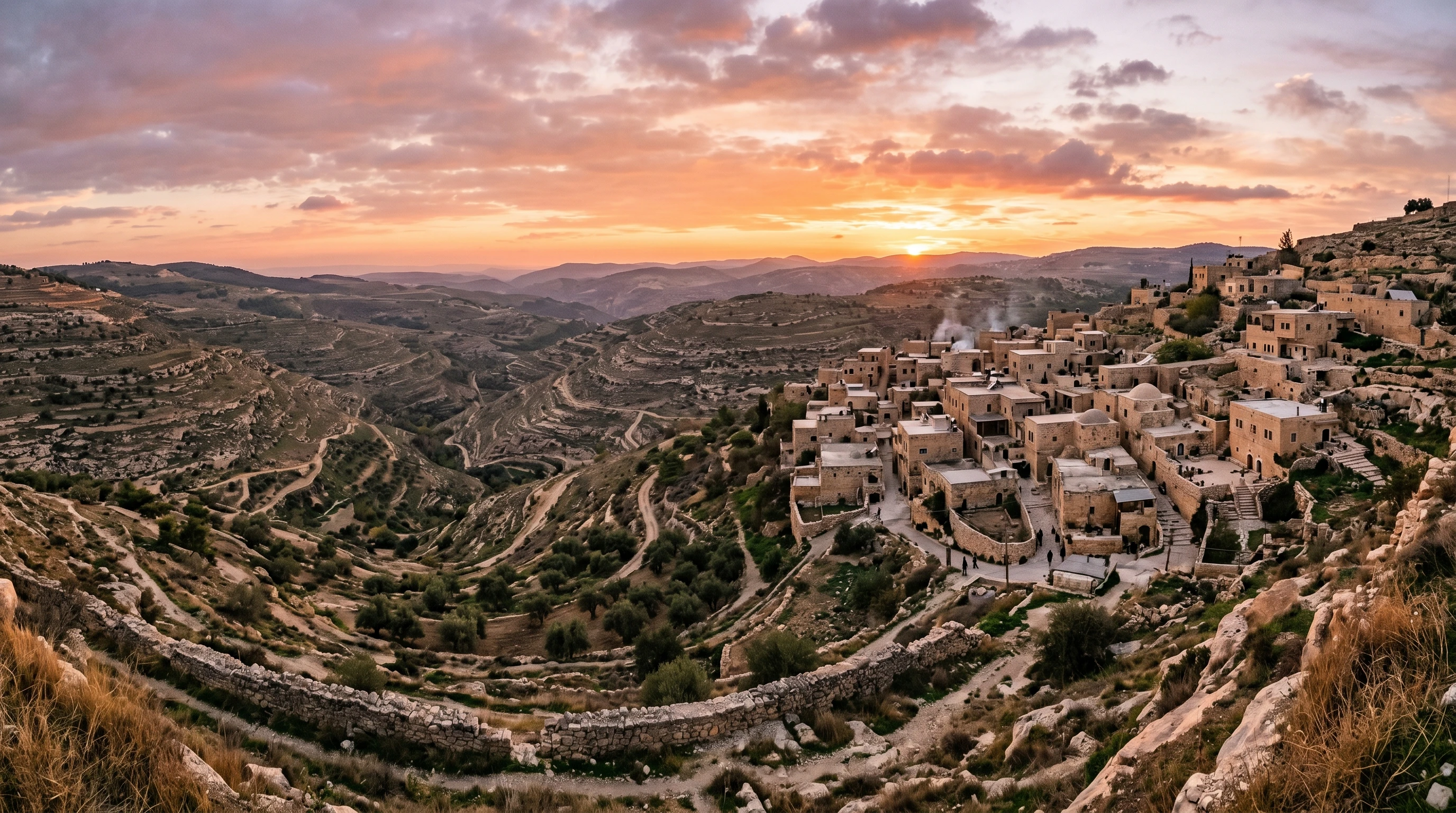
No better starting point than the basics. The missing years of Jesus, sometimes called the “silent years,” are the period between his childhood and the start of his public ministry. Here’s the wild part: the Bible goes almost completely quiet about Jesus from age 12 (when he’s last spotted in the Temple) until about age 30, when he bursts onto the scene for baptism and his first recorded miracles.
Ever sat and wondered what Jesus was up to during those missing years?
Key Points to Know
- The gap in biblical records from Jesus’ preteen visit to the Temple until his baptism by John
- Theories and legends about Jesus’ activities during this period
- What daily life in Nazareth likely included for a young Jewish man
- Why the Gospel writers may have skipped these details
- The meaning and impact of these years for Christian faith and historical research
The Big Silence: What the Gospels Actually Say
The four Gospels, Matthew, Mark, Luke, and John, don’t spill much about Jesus’ early adulthood. The main snapshot we get is from Luke, who says at age 12, Jesus stayed behind in Jerusalem, teaching in the temple courts. Then, almost like a movie jump cut, Jesus is suddenly 30, getting baptized and beginning his public mission. The only detail slipped in during those intervening years is that “Jesus grew in wisdom and stature, and in favor with God and man” (Luke 2:52). That’s handy, but not exactly a juicy diary.
There has been lots of speculation about why this silence exists. Some scholars suggest the Gospel writers just didn’t think those years were important to their message. Others think the ordinary life of Jesus was so unremarkable, it simply wasn’t worth recording by ancient biography standards.
But others point out that the quiet years carry meaning of their own, letting us see that even someone special might grow up in ordinary ways.
Theories and Legends: Where Did Jesus Go?

Because of the big empty space in the story, all kinds of theories have popped up over the centuries. Some pretty imaginative ones suggest Jesus traveled to Egypt, Persia, or even farther east to India or Tibet, picking up spiritual wisdom and maybe learning from other religious traditions. These legends often surface in later medieval or even modern sources. There’s no historical evidence in the earliest writings to support these ideas, but they catch people’s attention and fuel a lot of books and documentaries.
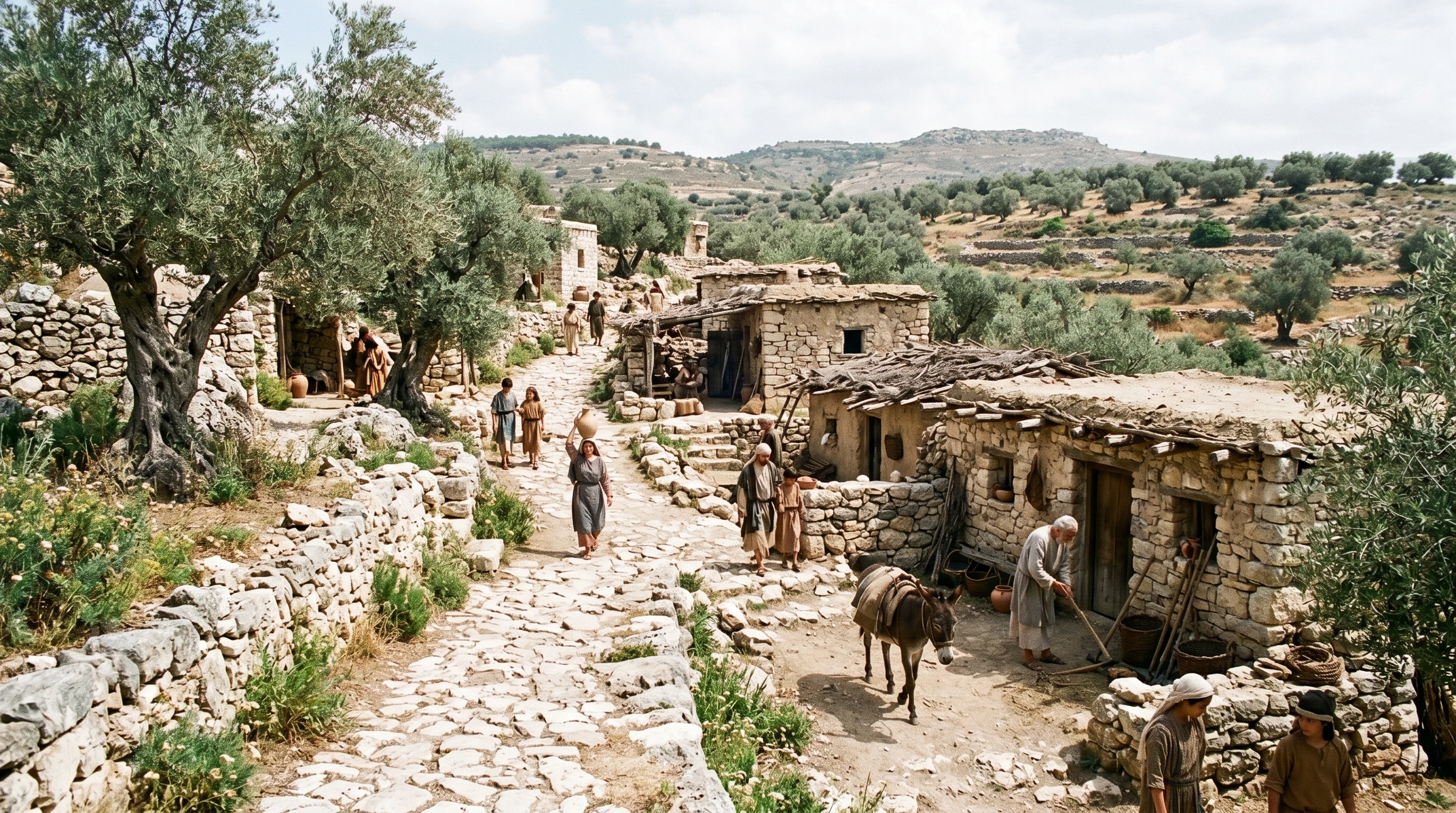
Other theories keep things closer to home, figuring that Jesus lived a regular Jewish life in Nazareth, working as a carpenter, just as the Gospels mention Joseph’s trade and refer to Jesus as “the carpenter’s son.” Archaeology backs up life in towns like Nazareth being simple and hardworking, with tightknit community life shaped by Jewish customs and Roman rule. It’s likely Jesus picked up strong building skills, lived according to Jewish traditions, and learned lessons from nature as well as family.
Growing Up in Nazareth: Daily Life for Young Jesus

For most historians, the practical answer is that Jesus spent these years in Nazareth, learning a trade, participating in family life, and attending the local synagogue. Nazareth was a small rural town, not glamorous or well known. Most boys learned their father’s trade, worked side by side with relatives, and helped out with farming and building. Jewish traditions would have anchored daily life, from Sabbath rest to the Jewish festivals each year in Jerusalem.
This kind of upbringing probably shaped a lot of Jesus’ parables and teachings that later pop up in the Gospels. He talks about seeds, farming, wages, daily bread, and other hands-on topics that make perfect sense for somebody who grew up in a working family. Jesus’ connection to everyday work and community life likely informed his approach to people, giving a genuine perspective to his teaching style.
Why the Silence?
The lack of details isn’t just an editing slip. In ancient times, biographies often focused only on the public accomplishments of a person, skipping over everything else. The Gospel writers seem to have followed that style, zeroing in on Jesus’ public ministry, his teaching, miracles, death, and resurrection; that’s what they wanted everyone to know.
Some readers actually find meaning in the mystery. The hidden years may remind people that spirituality doesn’t always happen in front of huge crowds or with big announcements. Ordinary routines, quiet growth, and family life can build character and wisdom for anyone, something Jesus himself would have lived out long before taking the spotlight.
Digging into why these years weren’t included, it’s possible that the early Christian communities were more interested in Jesus’ teachings and final days than his quiet formative years. For them, his message, sacrifice, and resurrection outshined his ordinary upbringing.
The Missing Years and Faith Today
The missing years of Jesus still spark curiosity, but they’re not a total blank. They help show that even for someone like Jesus, a lot of life gets lived out in the regular rhythms of family, work, and faith community. If you’ve ever wondered if everyday routines matter, these silent years point out that preparation and growth often happen quietly, before big breakthroughs arrive.
For some, the idea that Jesus spent time working, learning, and taking part in ordinary life is actually comforting. It shows that spiritual greatness can develop quietly and patiently, long before taking center stage. That’s a message that can give a boost to anyone who struggles or feels unnoticed while building a firm foundation in life.
What Are Your Thoughts?
What’s your take on Jesus’ missing years? I’m always interested to hear different perspectives, so feel free to share what you think below about this mysterious chapter in history!