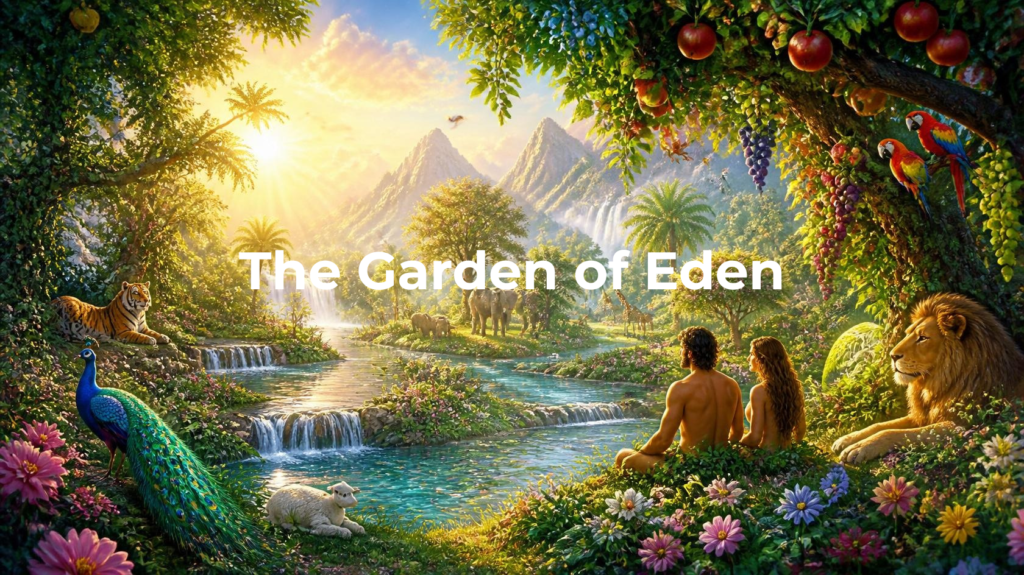
The Garden of Eden has popped up in all kinds of conversations, from spiritual to historical to scientific. According to the Book of Genesis, Eden was humanity’s first home and is depicted as an abundant paradise, full of rivers, trees, and every good thing. People have been fascinated by its story for ages. Naturally, the big question comes up: Where was the Garden of Eden actually located?
Is it possible to find Eden on a modern map?
Key Takeaways
- Eden’s biblical description mentions four rivers and lush landscapes.
- Possible realworld locations focus on Mesopotamia, Armenia, the Persian Gulf, and Africa.
- No archaeological evidence has confirmed its exact site.
- Symbolic interpretations matter as much as the physical search.
- The idea of Eden continues to inspire people today.
Biblical Clues: How Genesis Describes Eden
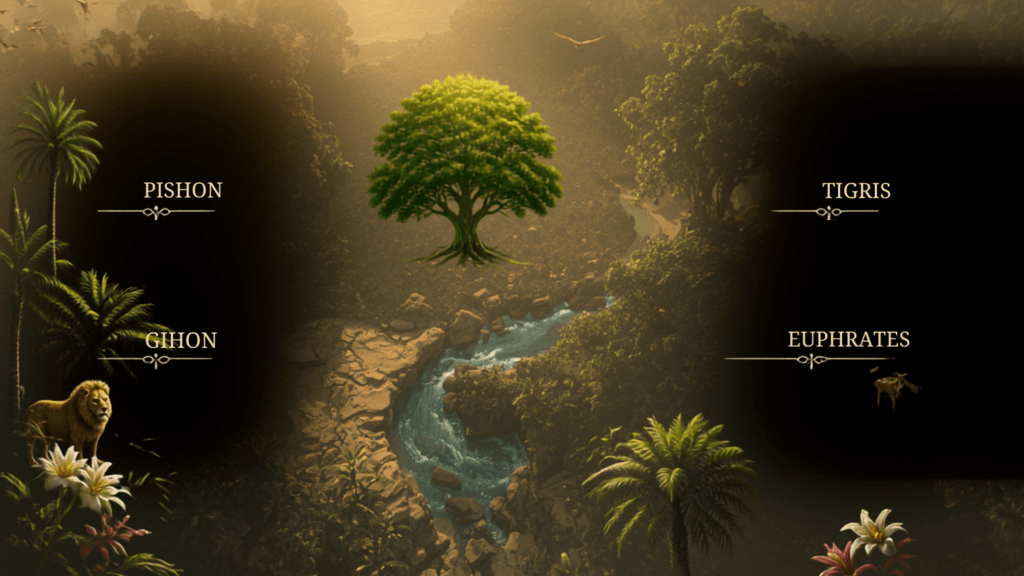
Genesis gives some clues that feel just tantalizing enough to spark the imagination. The story says Eden had a river that split into four branches: Pishon, Gihon, Tigris, and Euphrates. The Tigris and Euphrates rivers are still well known in modern-day Iraq, so a lot of people start their search there. The passage also mentions lands rich in gold and jewels, plus names like Havilah and Cush, which show up in other Old Testament stories.
While the details are poetic, trying to match each river and place with modern locations is way trickier than it sounds. Some of these names have been lost to history, which makes the search even more mysterious and complicated. It’s sparked a lot of curiosity for generations, but the puzzle remains unsolved.
The Mesopotamia Theory: Between the Rivers

The most popular theory puts Eden somewhere in the region known as Mesopotamia, which covers what’s now Iraq and parts of Syria, Turkey, and Iran. This area lines up nicely with the Tigris and Euphrates, and it’s been called the “cradle of civilization” for good reason. Early farming and some of the oldest cities began here, and that fits the idea of a land bursting with life and abundance.
But the hunt for the other two rivers—Pishon and Gihon—gets muddy. Some say Pishon could be a dried-up riverbed in Arabia, and Gihon might refer to the Nile or a river in today’s Iran. There have been lots of maps and proposals put forward, but there isn’t a perfect match. No matter how you line things up, it remains a bit of a puzzle that keeps researchers guessing.
Other Theories: Armenia, Africa, and the Persian Gulf
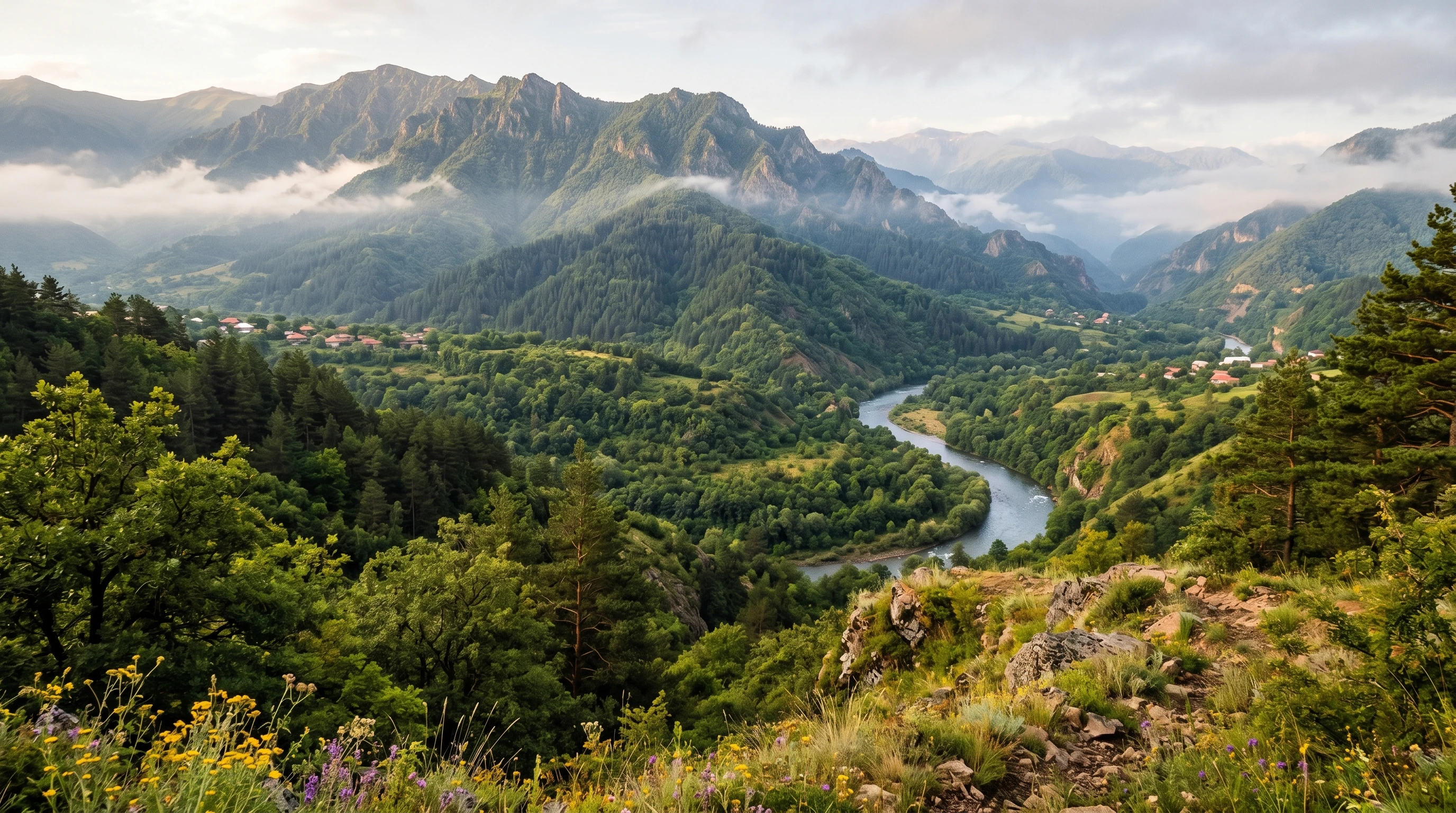
Some researchers check out the idea that Eden could have been farther north, in the Armenian Highlands where several major rivers begin. This idea is popular because it’s a region full of mountains and springs, and a lot of ancient traditions point to the area around Mount Ararat.
There’s also a theory placing Eden in Africa, with the Gihon representing the Nile. Others have suggested it lay beneath the Persian Gulf, which was above sea level at the end of the last Ice Age. Modern technologies like satellite images have helped dig into the area, revealing ancient riverbeds and giving new options to the discussion.
While these theories spark the imagination and bring together geography, archaeology, and tradition, none has been able to pin down Eden’s true spot.
Eden as a Spiritual and Symbolic Place
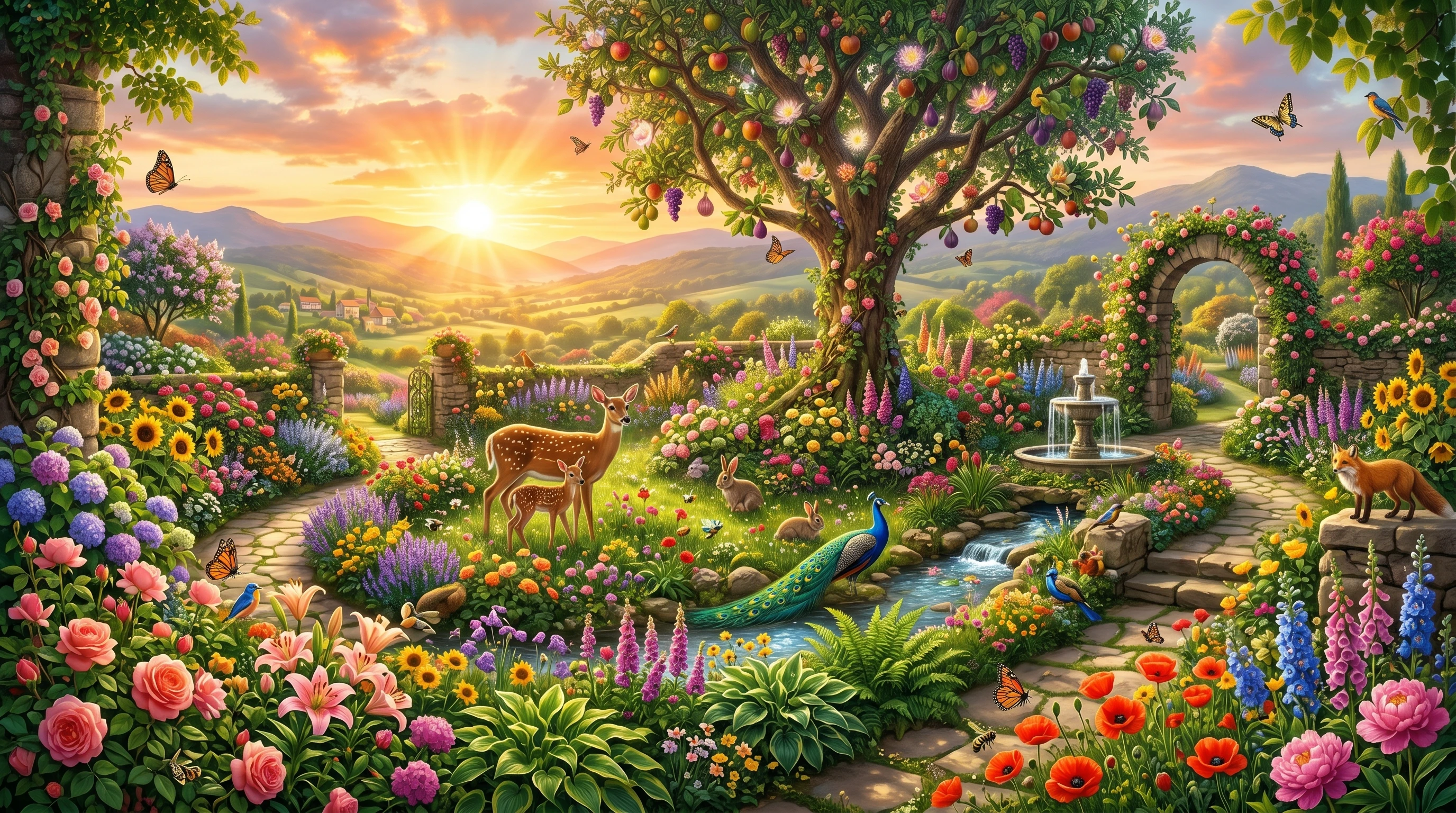
Even though historians and scientists keep searching, Eden’s location stays out of reach. A lot of people believe that’s kind of the point. In many faith traditions, Eden is mainly about a spiritual or ideal state, a symbol of harmony and innocence rather than a physical spot you can visit. It’s a reminder of simpler times, a connection between humans, nature, and something bigger.
For some, trying to pinpoint Eden on a map misses its real message. It stands for a lost ideal, an age of innocence, and that idea has stuck with people for generations. The story encourages us to reflect on our own relationships—with the world, with each other, and with what we consider sacred.
Why Eden’s Story Still Matters
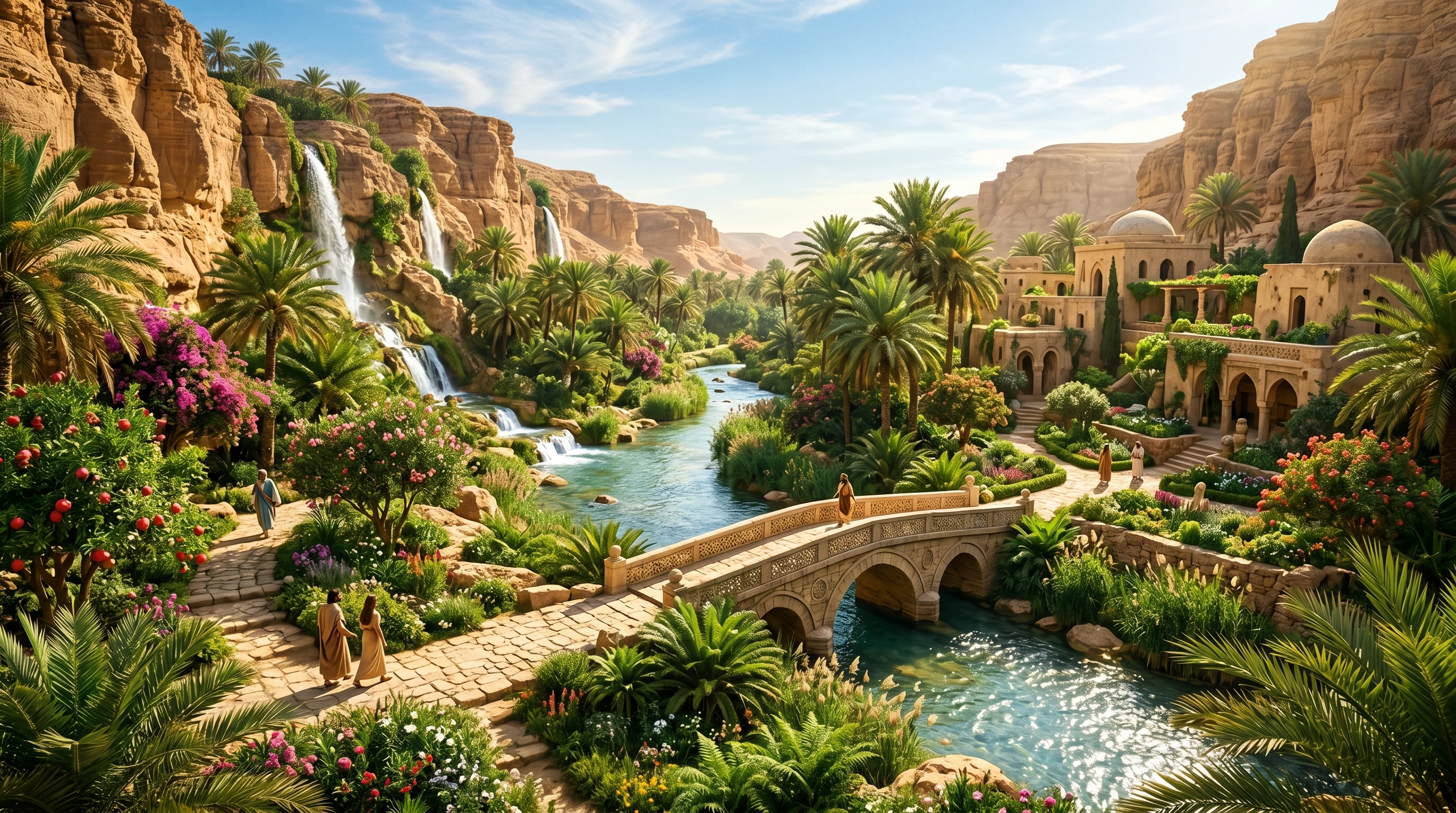
Searching for the Garden of Eden brings up big questions about human beginnings, our connection with nature, and the power of storytelling. Whether you’re reading scripture or just curious about the past, Eden stands out as a source of wonder, hope, and inspiration.
The dream of paradise, lost or found, drives both thinkers and wanderers. Exploring these ancient mysteries helps us think about our place in the world and how stories shape our future. Eden keeps us wondering what we’re searching for, not just on maps, but in our minds and hearts too.
Curious What Others Think?
Do you have a favorite theory about Eden’s location?
Share your thoughts and join the conversation; Eden’s mystery is one that invites everyone to take part in the search, both in exploring maps and finding meaning within the story.