When it comes to legendary mysteries, the whereabouts of Noah’s Ark has to be one of the most talked-about. People have searched for it, written about it, and debated over it for centuries. According to the story in Genesis, Noah built the Ark to survive a massive flood, and when the waters receded, it rested on the mountains of Ararat. So, where is Noah’s Ark today? That’s a question loaded with history, archaeology, faith, and more than a little adventure.
Is it possible the Ark is still out there, waiting to be stumbled upon?
🔍 Main Things to Know
- The original account of Noah’s Ark in the Bible points to the “mountains of Ararat”.
- Mount Ararat in modern day Turkey is the main focus for many expeditions.
- No definitive physical evidence of the Ark has been confirmed.
- Explorers and archaeologists keep looking for clues to its location.
- Some possible “Ark sites” have sparked controversy and debate.
- The Ark’s legacy continues to inspire curiosity around the world.
The Story and the Traditional Location: The Mountains of Ararat
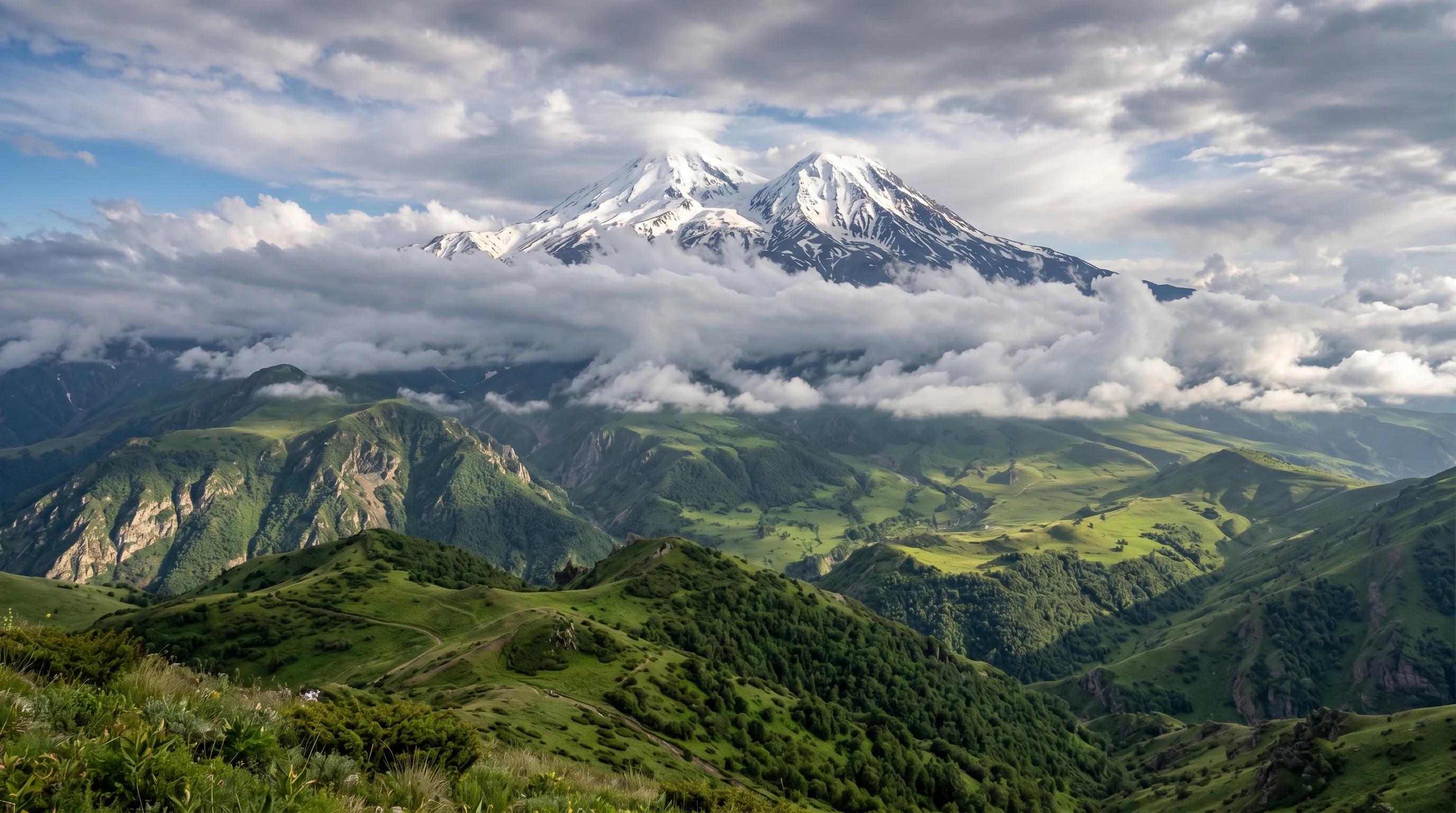
The Ark’s original story comes from Genesis, which says the vessel “came to rest on the mountains of Ararat.” For most people today, that points straight to Mount Ararat in eastern Turkey. This snowcapped peak stands over 16,000 feet tall and is famous for its role in the Ark tradition. Over generations, Mount Ararat has become the spot most folks picture as the Ark’s resting place after the flood.
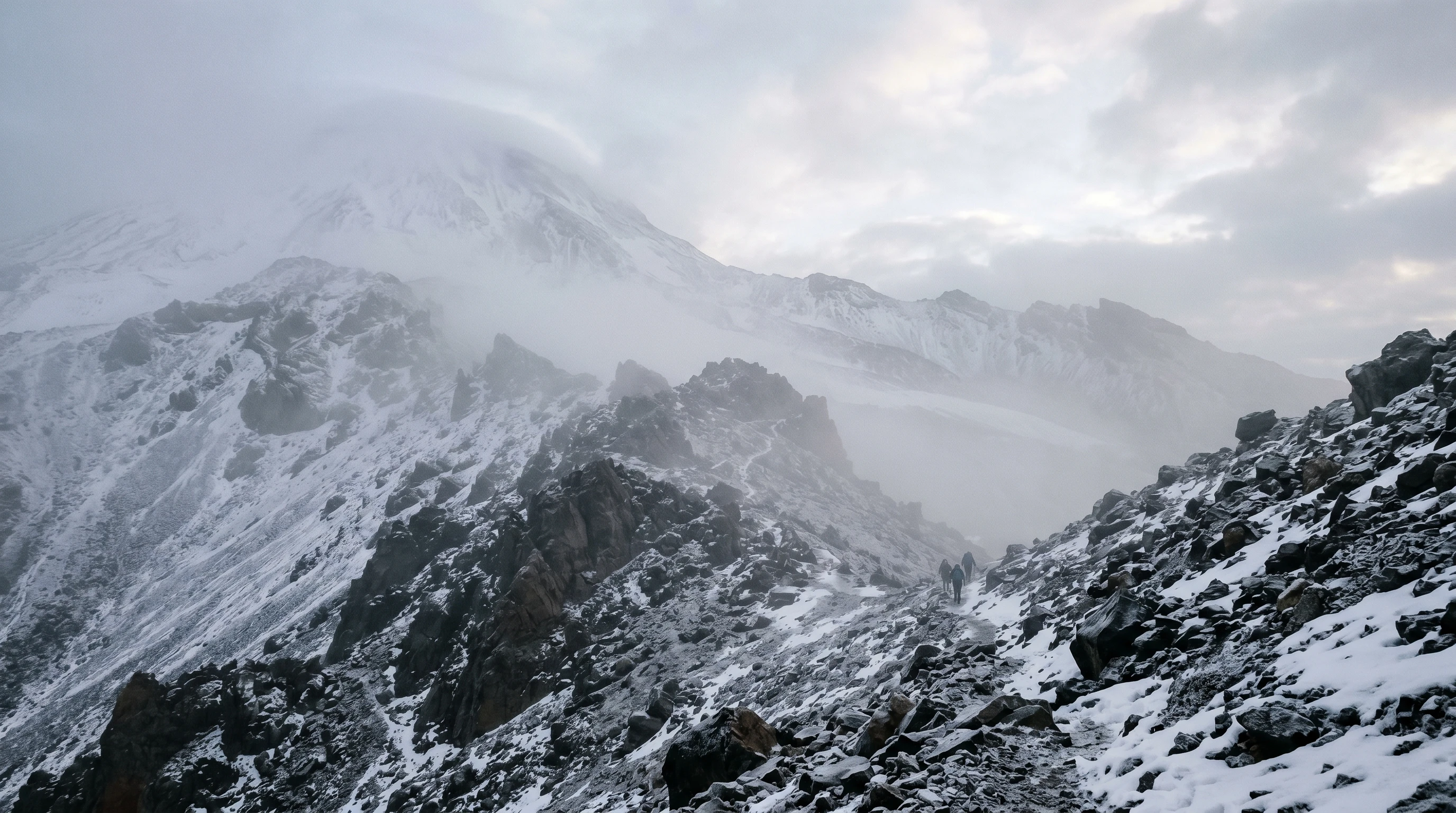
The region itself is rugged, with dramatic earthquakes, active volcanoes, and thick glaciers—a really tough area to check out. The language in Genesis talks in terms of “mountains,” not just one peak, so the Ark could possibly be anywhere in the surrounding region. Locals have stories about unusual finds and mysterious sightings, keeping people fascinated for centuries.
Searches and Expeditions: Have People Really Found the Ark?
People have been searching for Noah’s Ark for hundreds of years. Some explorers claim to have seen wooden beams poking out of the ice, old shiplike formations, or strange objects up on the mountain. Probably the best-known site is the so-called “Ararat Anomaly,” a shadowy feature spotted in aerial photographs. But nothing solid has come out of these images so far. In the 20th and 21st centuries, high tech surveys and satellite scans have tried to peer beneath the glaciers to see what’s really up there. So far, though, no one has brought back a piece of the Ark that stands up to scientific scrutiny, and the mystery remains.
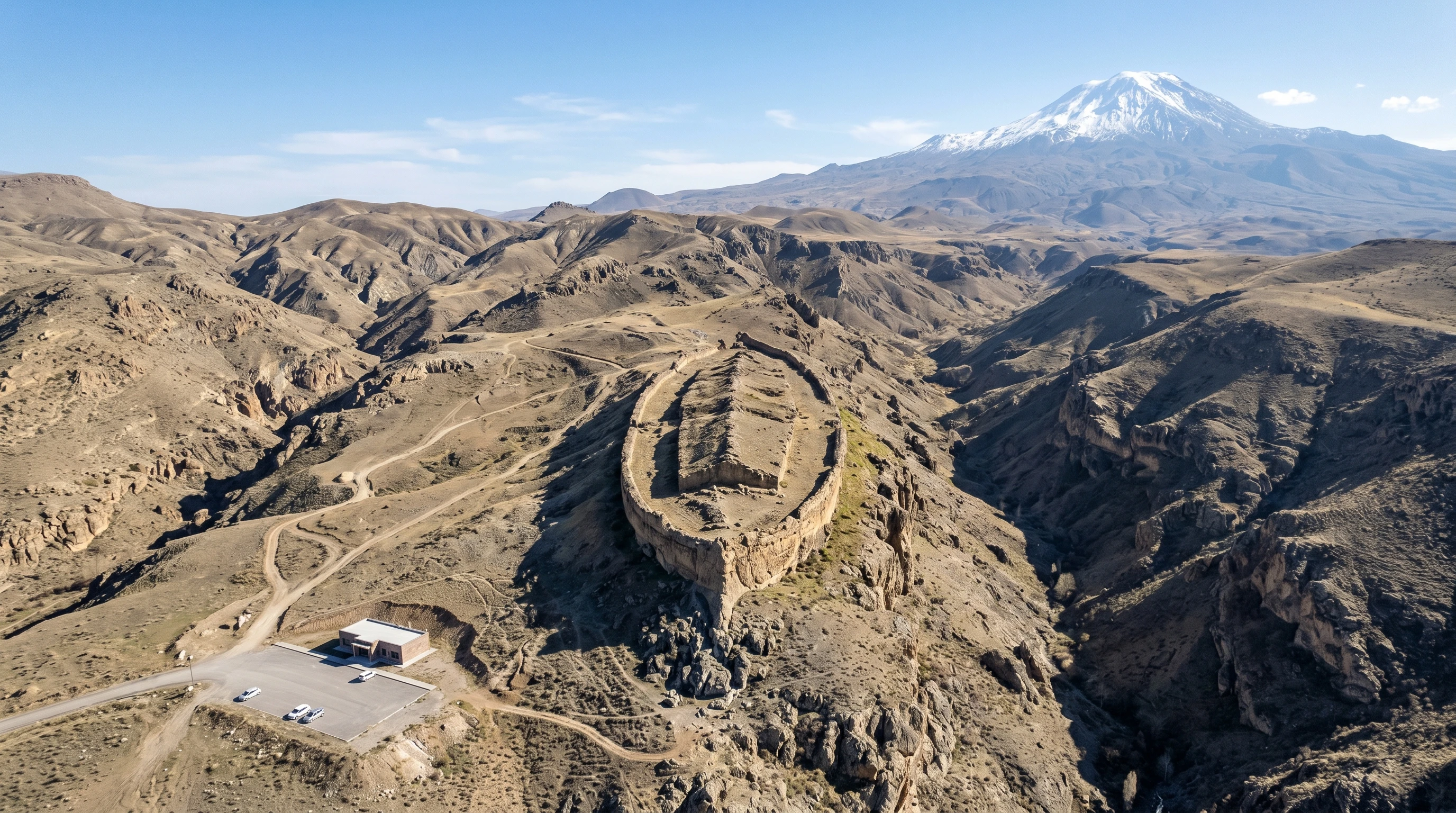
A few miles from Mount Ararat, the Durupınar site drew attention because it has a long, boatshaped formation in the ground. Some claim it’s the fossilized remains of the Ark, but most experts think it’s just a natural rock formation. That hasn’t stopped curious travelers and researchers from checking it out. It’s open to visitors, and honestly, it’s an eye-catching spot to see for anyone interested in biblical mysteries.
What Does the Science Say?
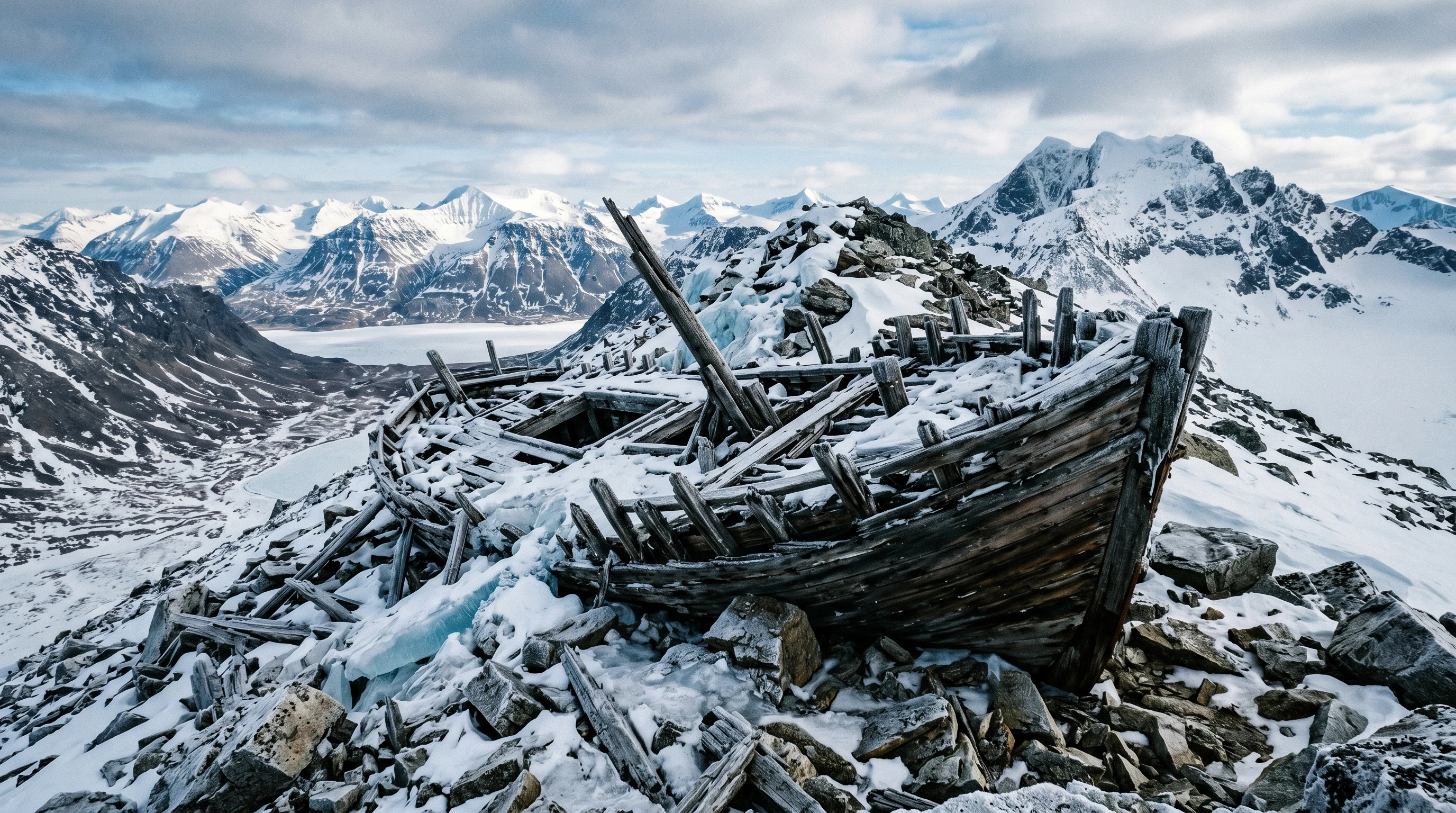
Geologists and archaeologists have weighed in on the Ark for decades. Most scientists say there’s not enough physical evidence to prove the Ark’s existence, and they point out how tough it would be for a wooden ship that size to survive for thousands of years, especially in such a harsh climate. Even if something was left behind, wood usually rots, especially after so much time. What typically gets found during these searches are volcanic rocks, glacial deposits, and occasional old wooden objects with no obvious connection to the story.
Even with the scientific skepticism, the hunt continues because the mystery is just so compelling. The possibility—no matter how slim—that some part of Noah’s Ark could still exist keeps researchers and adventure seekers coming back to Mount Ararat and the surrounding region. Plus, new technology like ground-penetrating radar and advanced imaging tools means each new expedition might stumble upon clues that previous generations missed.
Cultural and Religious Legacy
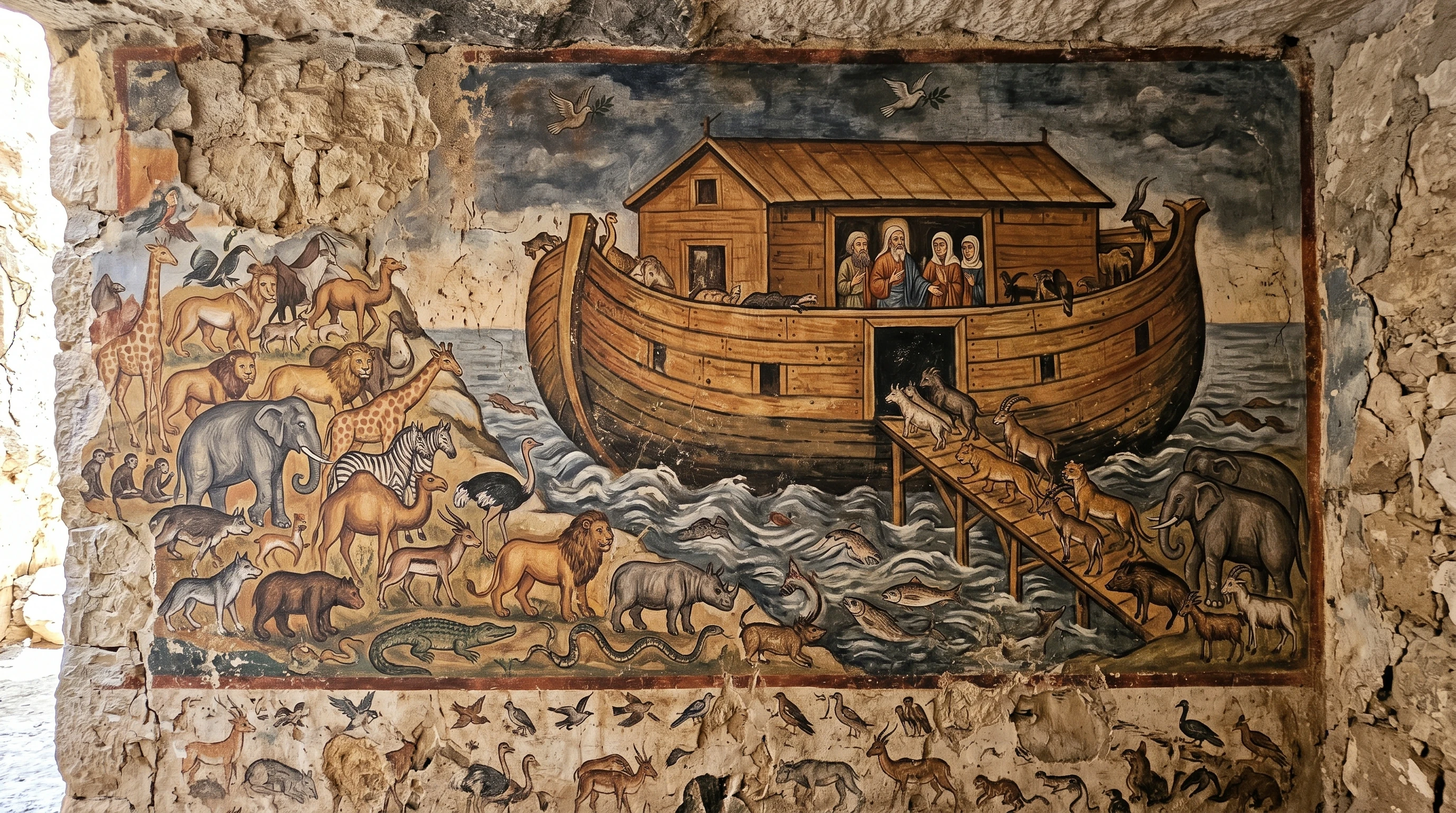
Noah’s Ark is more than just a lost ship. For millions, it’s a symbol of hope, second chances, and faith. The story is a part of Jewish, Christian, and Islamic traditions, and it appears in cultures all over the world. Even if the physical Ark is never found, the story continues to inspire movies, books, artwork, and big questions about ancient history and the power of belief.
Some visitors trek to Mount Ararat as a kind of pilgrimage, hoping to get closer to where the story might have unfolded. Museums and exhibits showcase Ark replicas and creative displays. The search for the Ark helps bring together people with different backgrounds and beliefs, all drawn by curiosity and the thrill of possibility. That global fascination means the legend never really fades away.
So Where Is Noah’s Ark Today?
After all this searching and guesswork, the honest answer is that nobody can say for sure where Noah’s Ark is today, or if any of it still exists at all. Some believe it’s hidden on Mount Ararat, others think it might be somewhere else in the vast mountain ranges nearby, and many are convinced it’s long gone. While actual proof is still missing, that hasn’t slowed down the dreamers, explorers, and researchers from keeping the hunt alive—or from being captivated by the tale.
The search for Noah’s Ark isn’t just about finding a lost ship. It’s about the human drive to stumble upon the truth behind one of the world’s oldest and most influential stories. That sense of mystery—and the hope that something truly next-level cool could still be out there—means this legend is here to stay for generations to come.
⛰️ Your Thoughts?
Got a theory or favorite Ark discovery story?
Share your take below and join the ongoing conversation about history, mystery, and the search for answers!