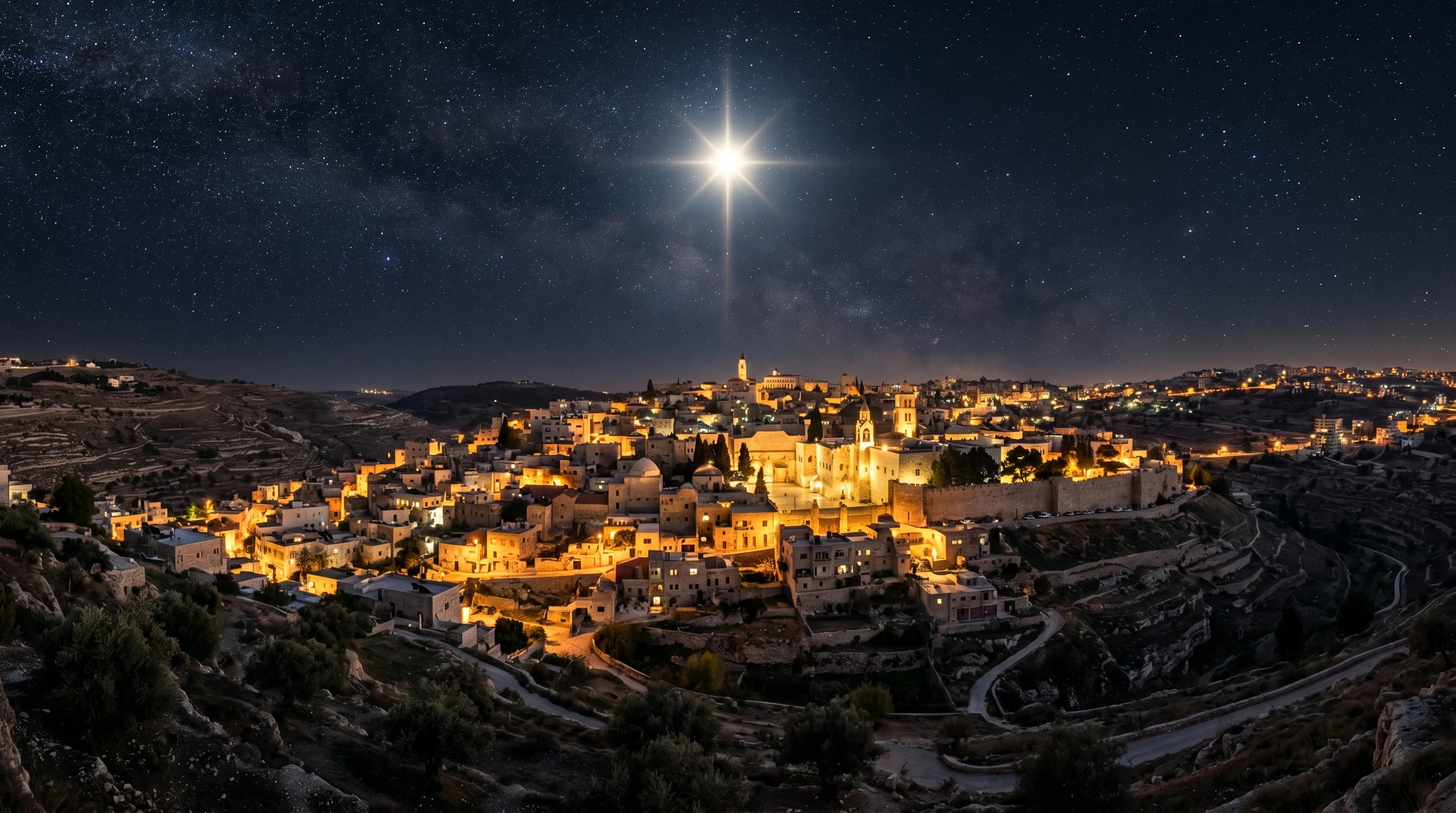
Curiosity about the Star of Bethlehem has been around for centuries. This mysterious and dramatic light is described in the Gospel of Matthew as what led the Magi (also called the Wise Men) to the birthplace of Jesus in Bethlehem. The story sits right at the heart of Christmas traditions, but its meaning and origin are still the subject of a lot of debate. I’ve found that the mystery makes it even more interesting to check out.
Was the Star just a legend, or could there be more to it?
Main Points
- Biblical account and context of the Star of Bethlehem
- Cultural and religious meaning attached to the Star
- Astronomical and scientific theories about what the Star might have been
- Symbolism and impact in art, tradition, and popular culture
- Modern discussions and ongoing curiosity about the Star
Scripture and Story: The Biblical Star
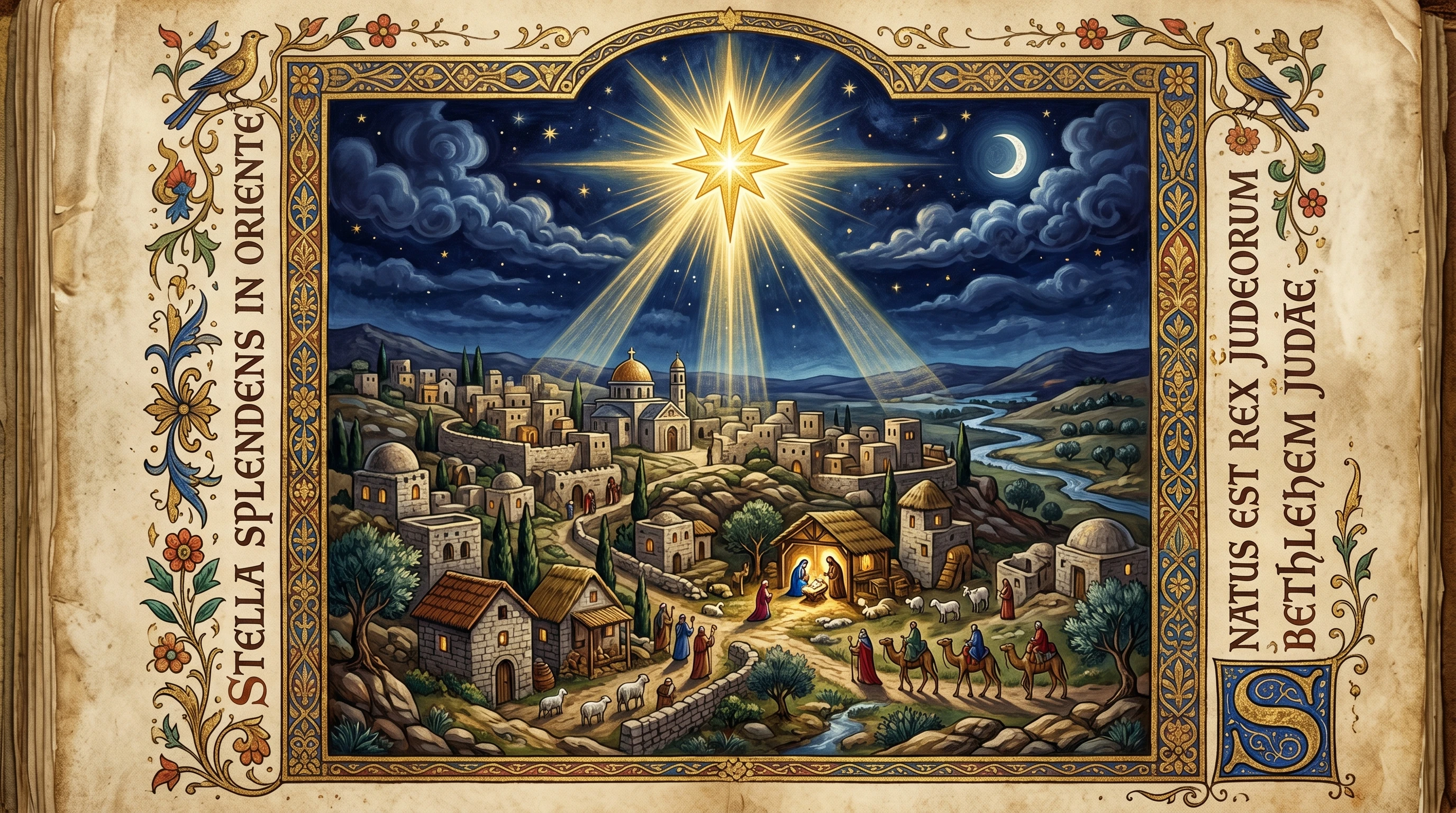
In Matthew 2, the story lays out how a “star in the east” appeared to the Magi. They were so struck by it that they traveled quite a long distance from the east, following the Star until it led them to Jesus’ location. The text doesn’t say clearly whether this was a literal star, a supernatural sign, or something symbolic. That open-endedness has sparked a lot of creative theories, both spiritual and scientific.
For early Christians, the Star acted like a celestial pointer to the Messiah, showing that Jesus’ birth was going to be extraordinary from the very start. In tradition, the Star is often pictured as bright and unmistakable, but the Bible keeps things mysterious and short on details.
This ambiguity has allowed generations to build their own ideas on what the Star means. Some groups have even included stories about the Magi’s skills as astrologers, hoping to make sense of why they, specifically, would have noticed such a sign and followed it. Even within ancient writings beyond the Bible, there are references to surprising heavenly events around this time, suggesting that the Star’s legend was quickly spreading far and wide.
Cultural Meaning: Why the Star Matters
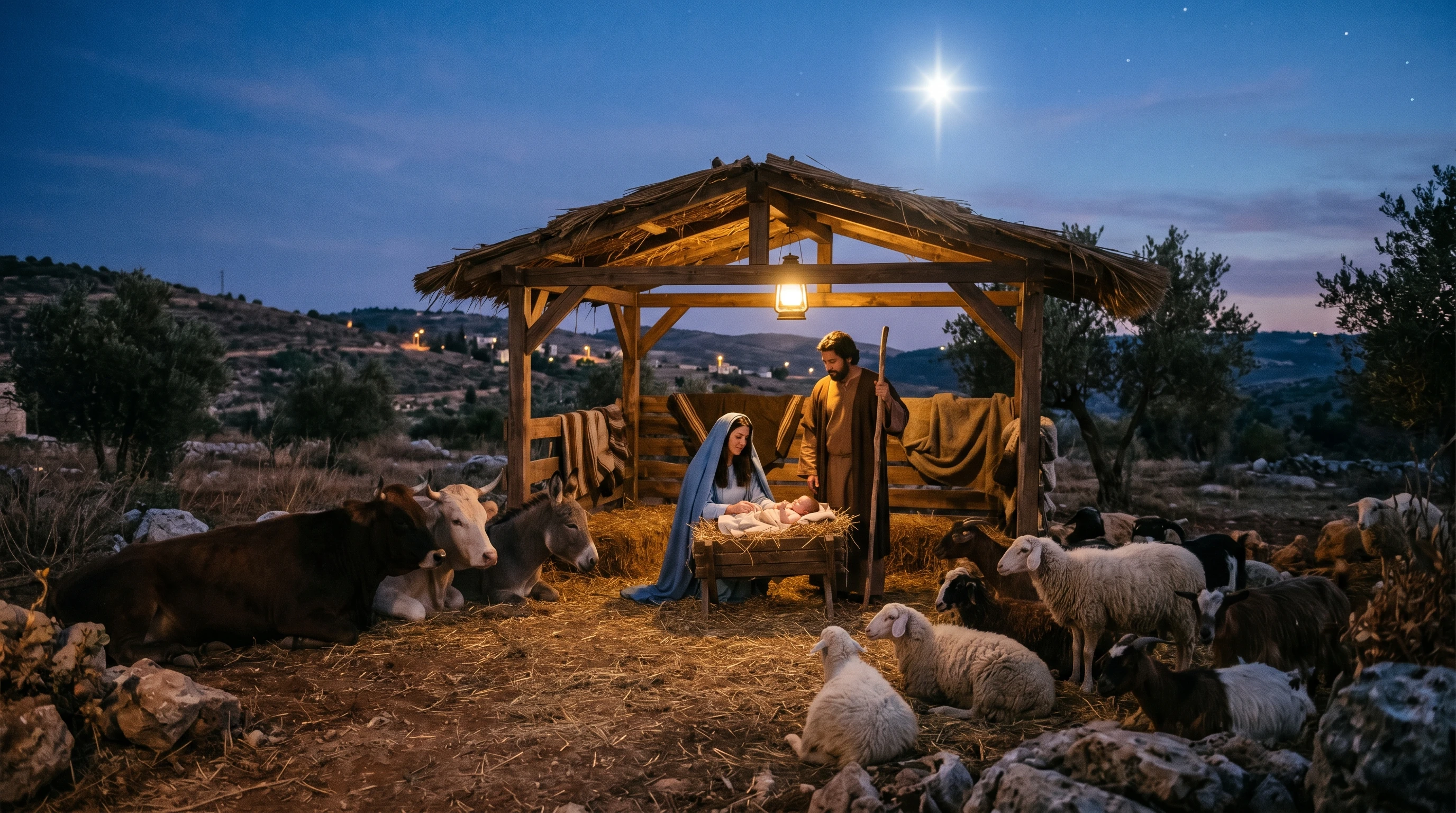
Beyond the historical moment, the Star of Bethlehem has picked up all sorts of meaning through the centuries. In Christian tradition, it’s a symbol of hope, guidance, and revelation. Whenever you see a bright star on top of a Christmas tree or lighting up church decorations, that’s a nod to this ancient story. For many people, the Star stands for finding direction in confusing times. Even folks who aren’t religious might see the Star as a way to talk about longing for meaning, new beginnings, or stumbling upon something big.
Artists, composers, and writers have brought the Star to life in countless nativity scenes, carols, and classic works. It’s firmly part of global Christmas culture, whether in stained glass or even on sweaters with shiny stars. Children often recreate the journey of the Wise Men in school plays, highlighting the Star’s ongoing presence in our creative and festive traditions.
Science Meets Mystery: What Was the Star?
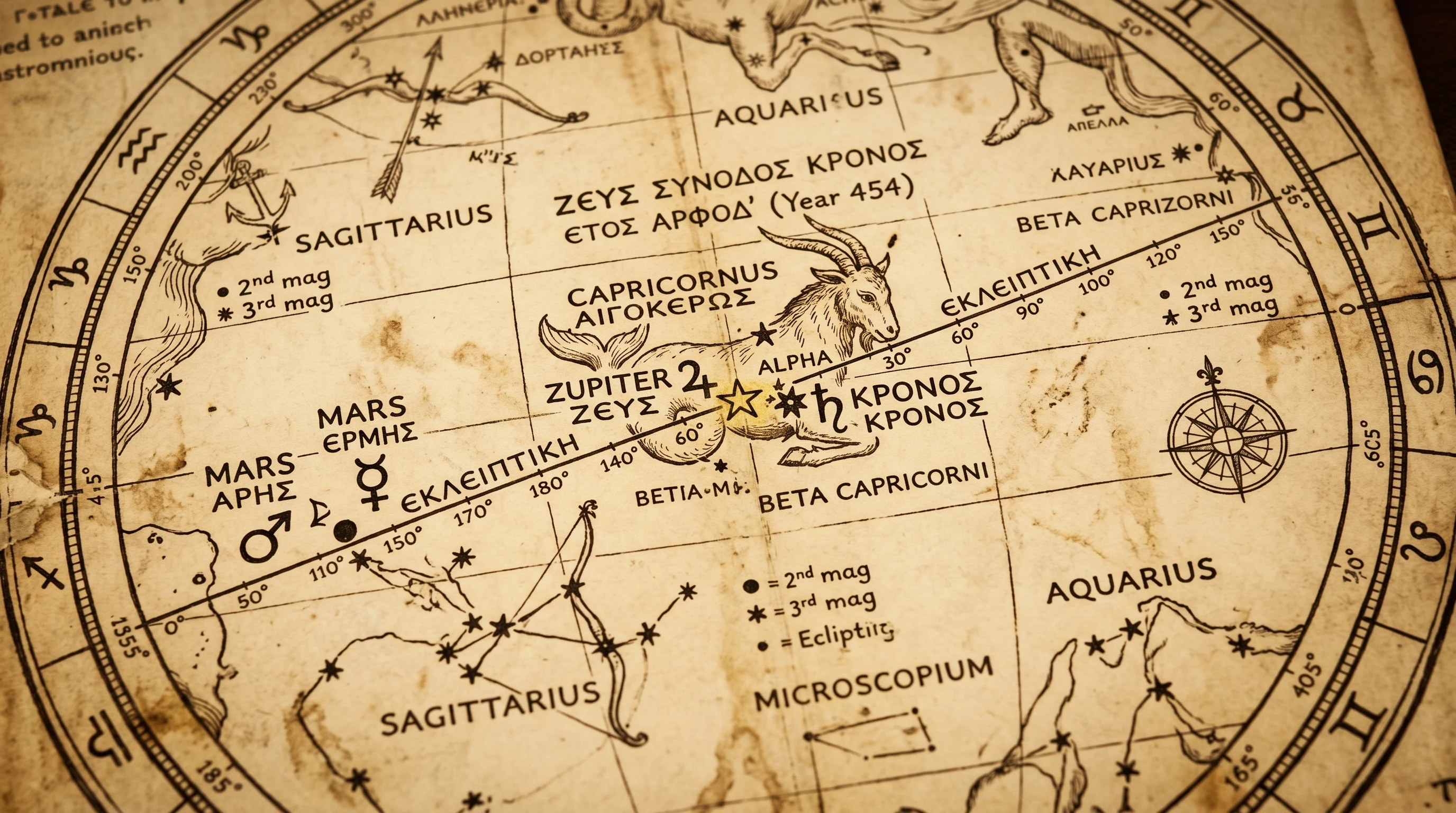
Over the years, astronomers and historians have tried to identify what could explain the Star of Bethlehem in scientific terms. Here are some of the main theories that pop up in books and documentaries:
- Planetary conjunction: Planets like Jupiter and Saturn sometimes line up in the night sky and create a bright point that could look truly special to ancient stargazers. In 7 BCE, there was a notable conjunction which historians often mention.
- Comet or supernova: Others suggest a passing comet or the sudden burst from a supernova could have caught people’s attention. There are records of comets in Chinese astronomy around this time as well, making this theory intriguing.
- Other atmospheric phenomena: Some imagine unusual meteor showers, novas, or even rare weather events might have inspired the story. Each of these ideas shows how people keep trying to blend ancient records with natural science to make sense of the mystery.
Not one of these theories has been totally confirmed, and there are just as many who think the Star was some kind of miracle that isn’t meant to be explained away. Academic debates continue, and no single answer covers every question. That’s the beauty—it invites everyone to get into the search for meaning.
Symbolism and Ongoing Curiosity
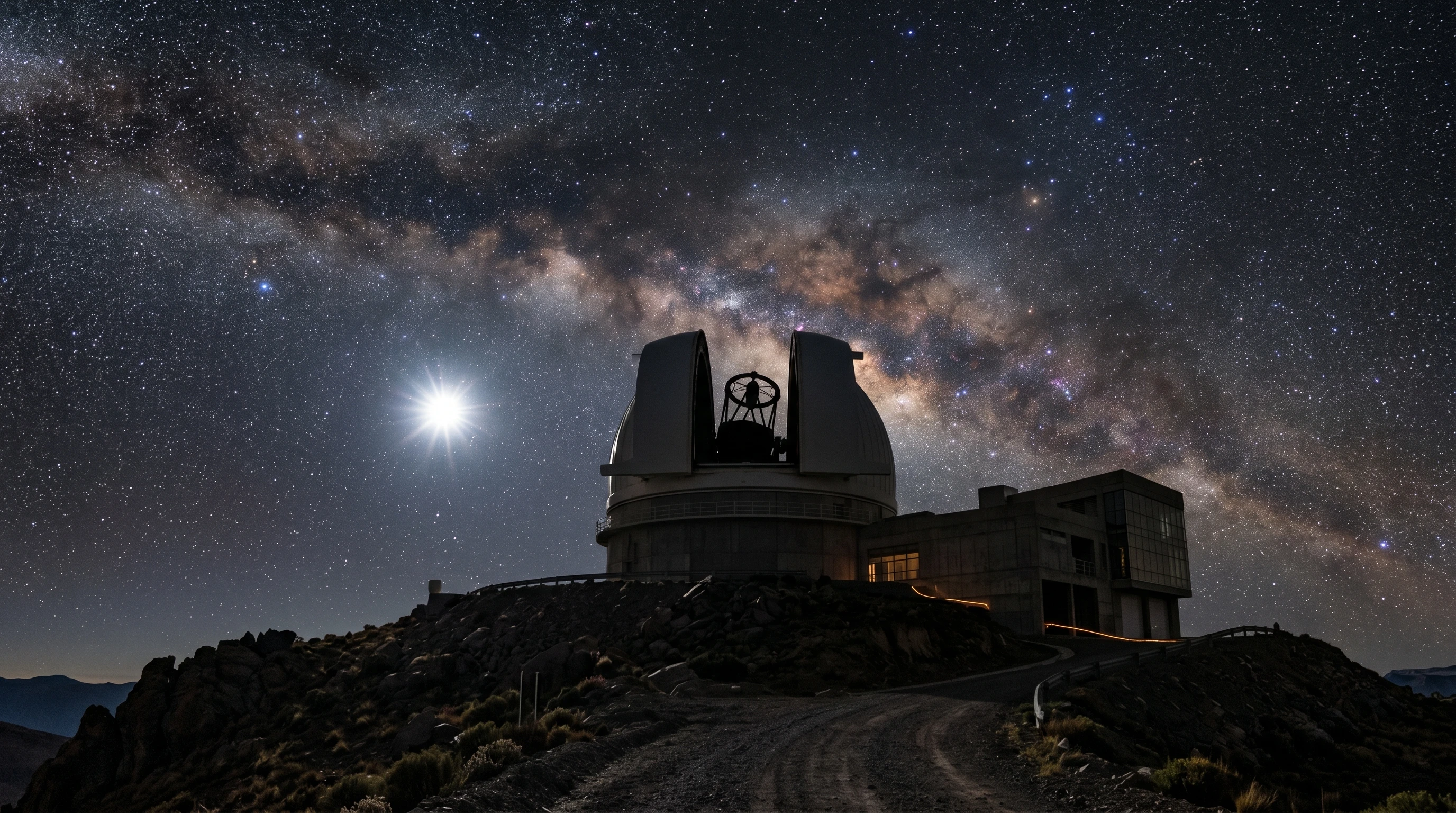
People keep coming back to the Star of Bethlehem because it’s more than just an old story. It’s a mystery that never seems to fade. Whether you picture it as a natural event or something supernatural, it shows up time and again when people talk about searching for purpose, being drawn toward something amazing, or having hope show up when least expected. Of all the Christmas images out there, the Star may be the one that leaves space for each person to add their own twist to the tale.
Modern technology, from telescopes to star-mapping apps, has brought a new layer of excitement too. Today, stargazing events invite both experts and families to look for “Christmas stars” each year, reminding everyone that the sky still has secrets to share.
Why The Star Still Inspires
The Star of Bethlehem may always be a bit of a puzzle, but that’s part of what keeps it alive in our culture. It stirs up a sense of awe, brings people together for midnight stargazing sessions, and finds new life in stories every year. From gospel writers to modern astronomers, people still get inspired to search for light in unexpected places, finding hope and excitement no matter how much time passes.
Engaging Closing Line
What do you think the Star of Bethlehem really was?
If you’ve got your own theory, or if you just enjoy the story, share your thoughts below and keep the conversation shining bright this holiday season.