The mystery behind the two witnesses is a classic topic in Bible prophecy circles. Their story pops up in the Book of Revelation, specifically Revelation 11:3–13. In this wild and symbolic vision, the two witnesses are sent to prophesy in Jerusalem for 1,260 days (that’s about three and a half years) right before a series of big world events. It’s led to a lot of theories, guesswork, and plenty of debate about who these two figures might be, and what their role really is.
Ever wondered if these witnesses are real people, symbolic figures, or something else entirely?
Main Points
- The origin of the two witnesses in the Book of Revelation
- Clues from biblical text and symbolism
- Popular interpretations and debates across Christian traditions
- The spiritual role and message of the two witnesses
- How their story connects with prophecy and faith today
The Origin: Where Do the Two Witnesses Appear?
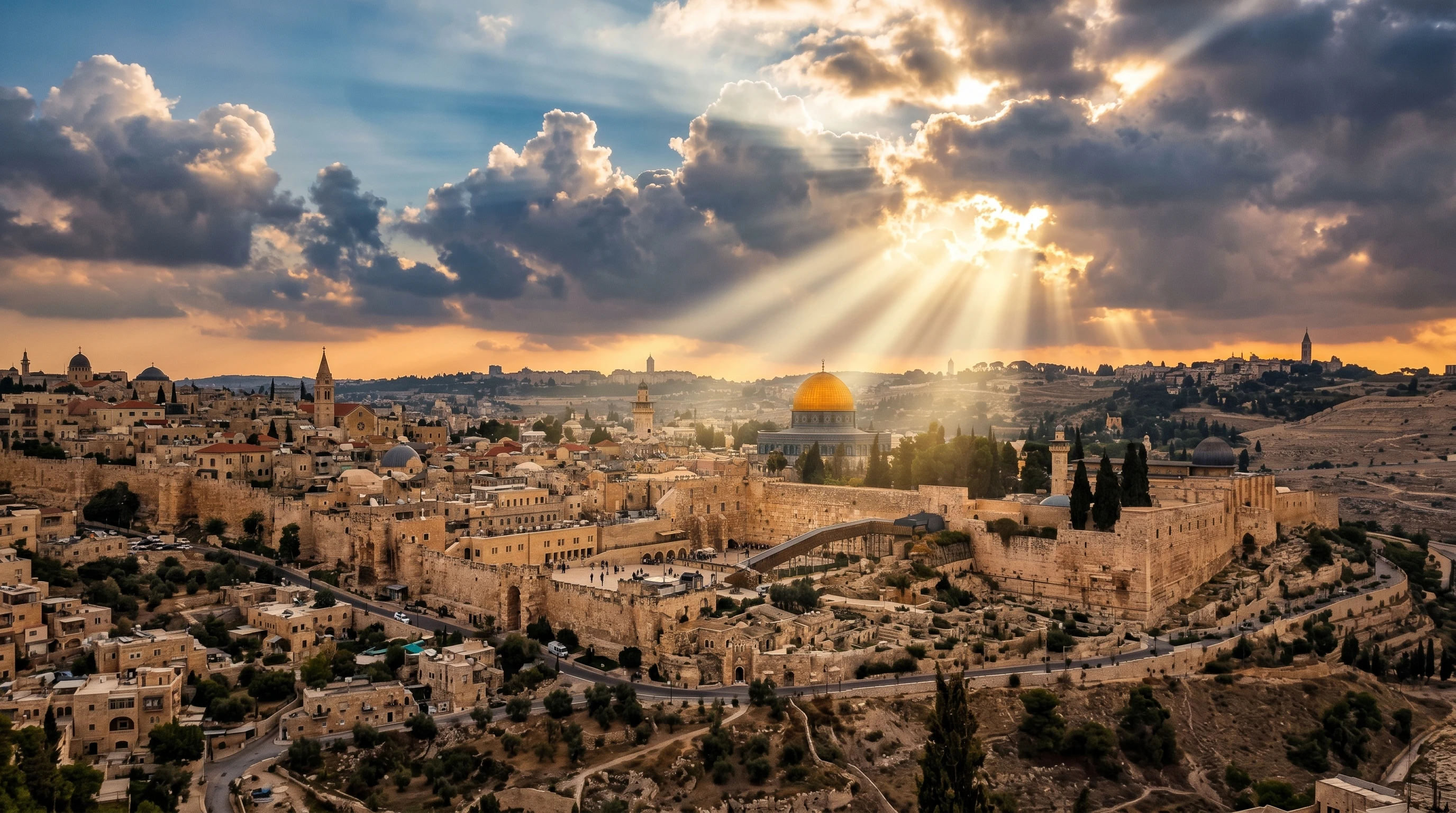
The main reference to the two witnesses comes straight from Revelation 11:3–13. In these verses, John describes two prophets standing before “the Lord of the earth,” performing miracles and warning the world in a time of huge chaos. They have some wild abilities: stopping the rain, turning water to blood, and striking the earth with plagues. Their message isn’t soft either. They speak out against evil during a super intense period of tribulation.
After their work, the two witnesses are attacked, killed, and their bodies left out in the streets of Jerusalem. People celebrate their death, but three and a half days later, they come back to life and rise up to heaven. It’s one of the most eye-catching scenes in the entire prophetic timeline, sparking tons of questions about identity, symbolism, and destiny.
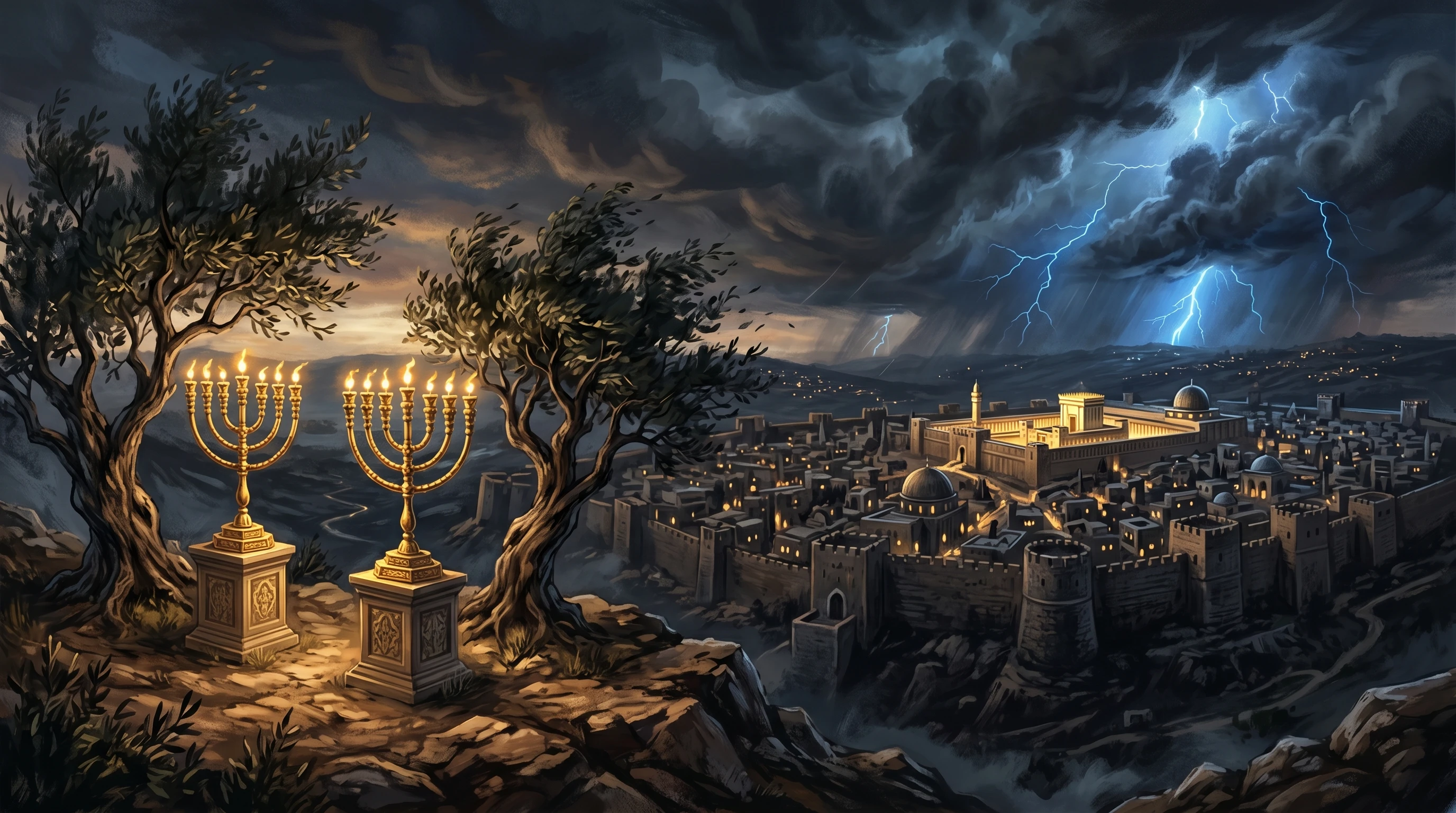
Interestingly, their appearance lines up with other symbolic elements in Scripture. References to “two olive trees and two lampstands” (Revelation 11:4) echo back to visions found in Zechariah 4, where two olive trees represent God’s anointed ones. This layer adds a deeper sense of meaning, suggesting these witnesses carry significant prophetic weight and spiritual authority.
Interpretations and Theories: Who Could They Be?

This part is where the conversation really takes off. Over the centuries, believers and Bible scholars have tossed out a variety of ideas:
- Some see the two witnesses as real historical figures who will return in the end times, most often Moses and Elijah or Enoch and Elijah. Both of these pairs have strong Bible connections, since Elijah and Enoch never saw death, and Moses and Elijah both appear with Jesus at the Transfiguration.
- Others view them as symbolic representations, maybe the Law and the Prophets, Israel and the Church, or even groups of faithful believers willing to stand up for truth.
- A third camp thinks they are literally two future prophets God will raise up for a unique mission during the last days.
Symbolic language is everywhere in Revelation, so it’s no wonder that interpretations go in so many directions. Some churches teach that focusing on what the witnesses do—such as declaring truth, facing opposition, and experiencing revival—is just as important as figuring out who they might be.
A few also suggest the two could represent recurring spiritual archetypes: two groups inspired by the Spirit, standing against injustice and pointing people to hope when it’s needed most. No matter the interpretation, the debate continues to fuel interest and deeper study among believers today.
What Makes the Two Witnesses Stand Out?
For anyone new to this topic, these details are worth checking out:
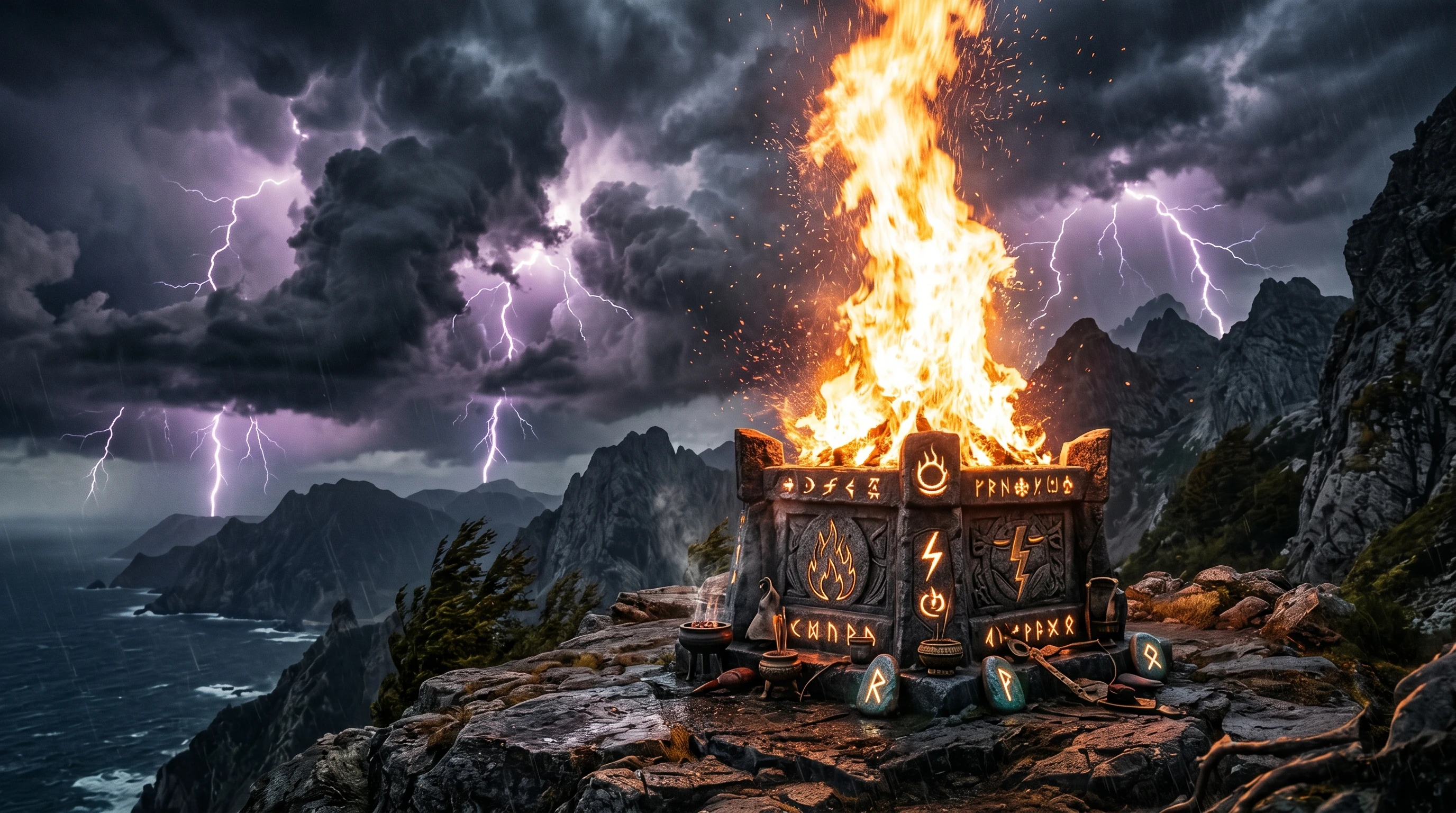
- Supernatural Power: The two witnesses act with boldness and get extraordinary powers from God, like shutting up the skies or protecting themselves with fire. These powers link back to famous Old Testament prophets, which adds weight to the Moses and Elijah theory.
- Prophetic Testimony: Their mission is to deliver God’s message, especially during a time when most of the world doesn’t want to hear it. Their testimony is a model of courage and conviction.
- Victory Through Suffering: Even after they’re killed, they’re vindicated when God raises them up, offering hope that faithfulness can win out in the end—no matter how tough things get.
These features have inspired followers for generations and make the two witnesses some of the Bible’s most fascinating figures, even if their exact identity is still an open question.
The Message for Today: Why Should We Care?

Looking at the story of the two witnesses gives a lot to think about. Whether they represent people, principles, or something totally different, their message is about courageous faith in the middle of chaos. For believers, it means sticking to truth, speaking up in tough times, and trusting that what’s right will eventually rise up—no matter what things look like in the moment.
The idea of two witnesses challenging darkness and calling people back to God is relevant regardless of your exact interpretation. Their example—standing firm, even when they aren’t popular—couldn’t feel more timely in a world that doesn’t always welcome spiritual voices.
Their story can invite us to think about our own actions. Are we willing to stand for what’s right, even if we’re misunderstood or pushed aside? Can we rise up after challenges, offering hope and pointing people to something bigger than ourselves?
Open Question: What’s Your Take on the Two Witnesses?
Do you think the two witnesses are a symbol, a prophecy about future people, or something else?
I’d love to know your thoughts! Add your perspective in the comments and join the conversation about how these mysterious figures fit into faith and life today.