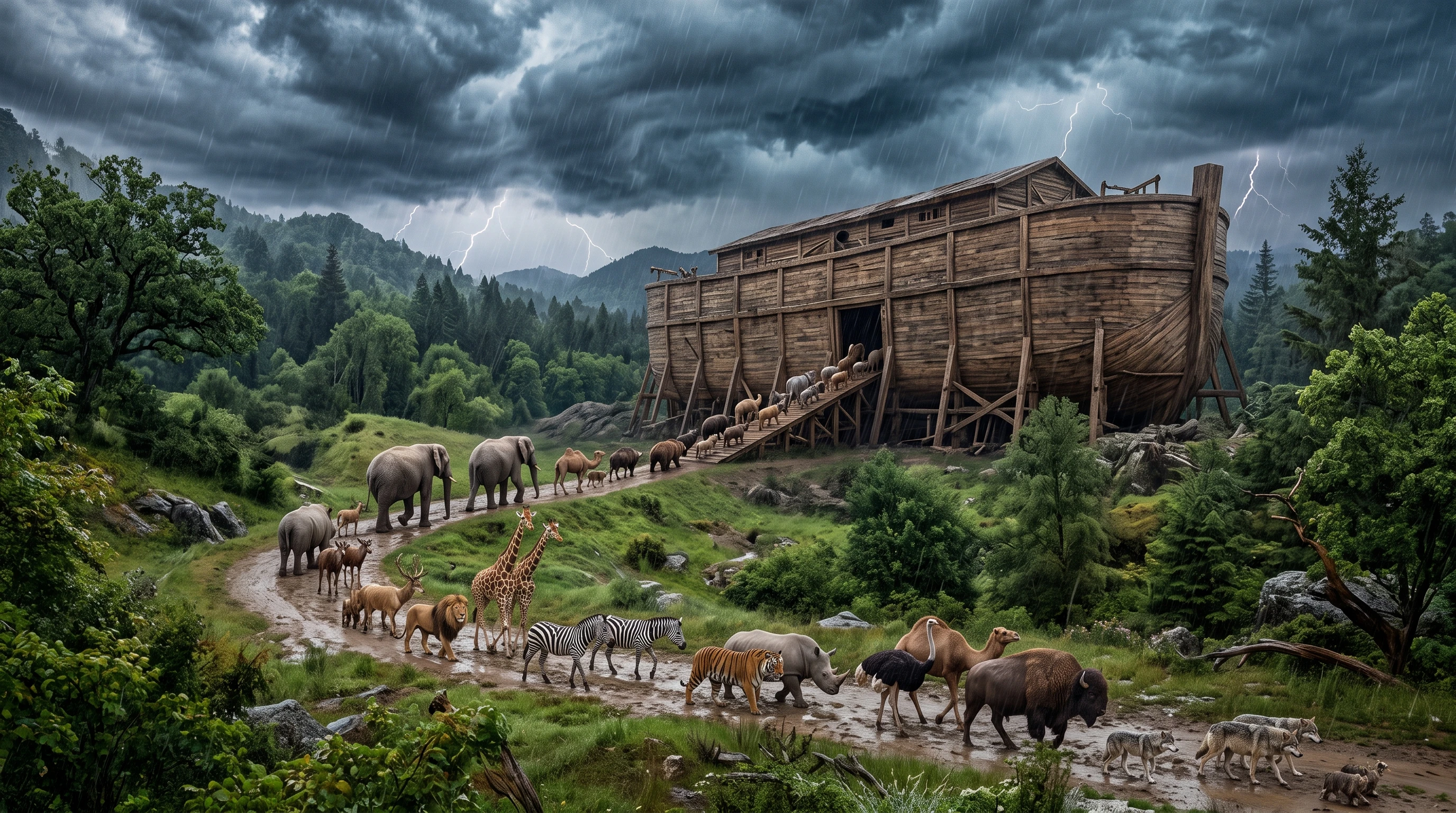
Noah’s story sits at the heart of some of the oldest chapters in the Bible. The tale of the flood starts in Genesis, where things on earth weren’t looking so great; violence and corruption were everywhere. The Bible says God noticed this and decided it was time for a reset, but gave humanity a second chance through Noah and his family.
Ever found yourself wondering why the story of Noah and the flood still gets talked about today?
Key Details About Noah’s Flood Story
- Noah’s character as a righteous man chosen by God
- The building of the Ark and what it represented
- The coming of the flood and survival inside the Ark
- The aftermath of the flood and God’s promise to Noah
- The rainbow as a sign of God’s covenant
The World Before the Flood: Why It Happened

The Bible sets the stage by describing a world where people had lost their way. Violence, injustice, and wickedness had become normal. According to Genesis, God not only noticed the evil around Him but actually felt regret about how things had ended up. What stands out to me is that, even when things were really dark, Noah found favor with God because he tried to live honestly and walk with Him.
God decided change was needed, but He also wanted to give a fresh start through someone He trusted. It’s a pretty powerful reminder that one person trying to do what’s right can make a huge difference, even when it feels like the rest of the world is headed in the wrong direction.
Noah Builds the Ark: A Monument of Faith
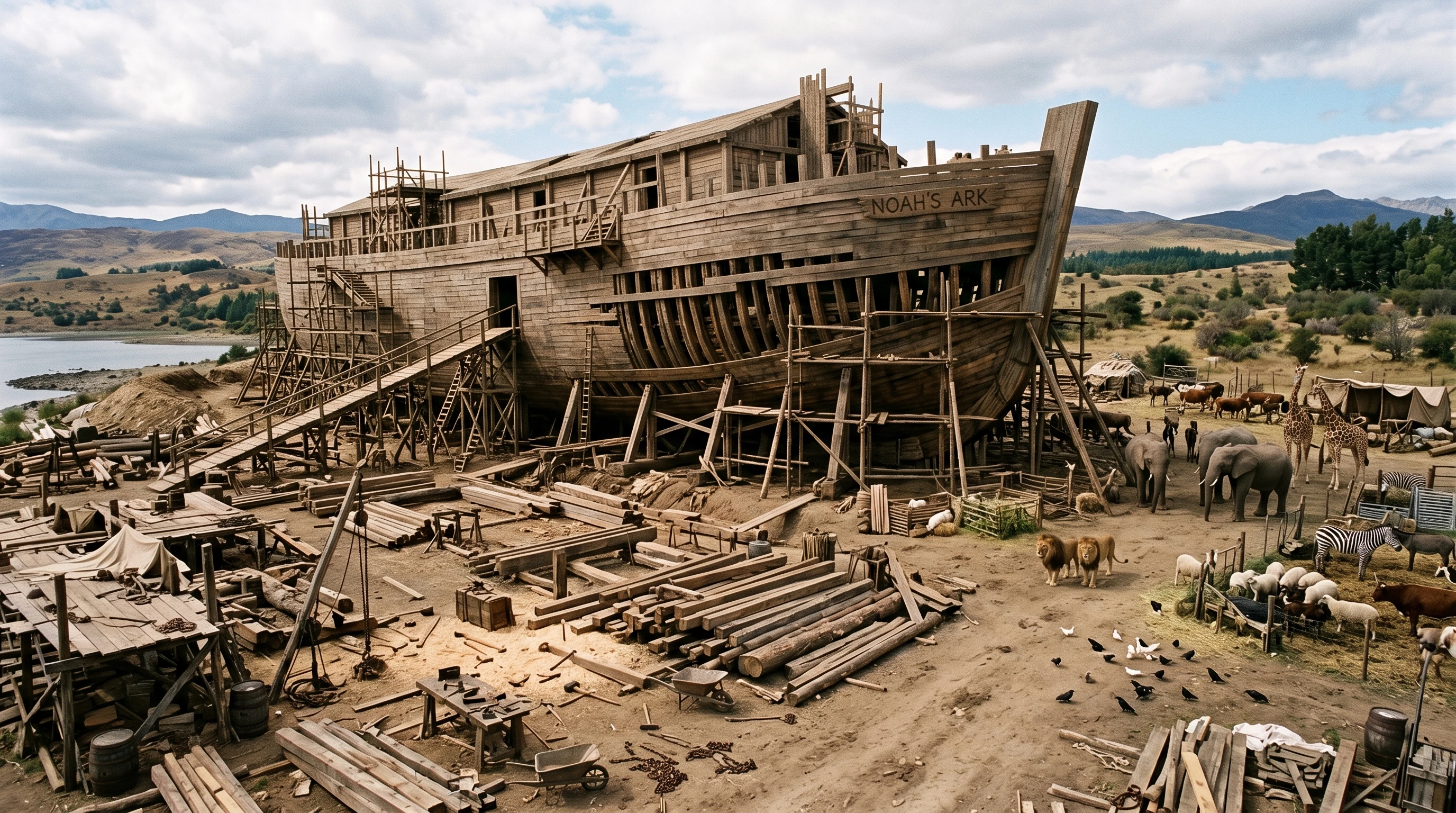
The Ark wasn’t just a boat. It’s a symbol of trust and determination. God gave Noah a super detailed set of plans: build a giant vessel made of cypress wood, with lots of separate rooms, coated in pitch to keep it watertight. This wasn’t a quick weekend project; the Ark was huge, about 300 cubits long (that’s roughly 450 feet). What really grabs me is that Noah just got to work, trusting God’s instructions even though there was no rain in sight.
Every part of the Ark’s design, from its triple deck to the single door and window, had a purpose. Of course, there was all the animal prep: God told Noah to gather pairs of every living creature, male and female, along with enough food for everyone. That alone sounds like a wild logistical challenge, but Noah followed through because he trusted God’s word.
The task must have taken years. Imagine the neighbors and people nearby, seeing Noah build a gigantic boat on dry land; they probably thought he was out of his mind. But Noah’s perseverance shows what steady faith and obedience can do, and his family clearly pitched in with the work. This was not only a physical effort, but also one of spiritual endurance—trusting a promise that seemed impossible at the time.
The Flood Arrives: Survival in the Storm
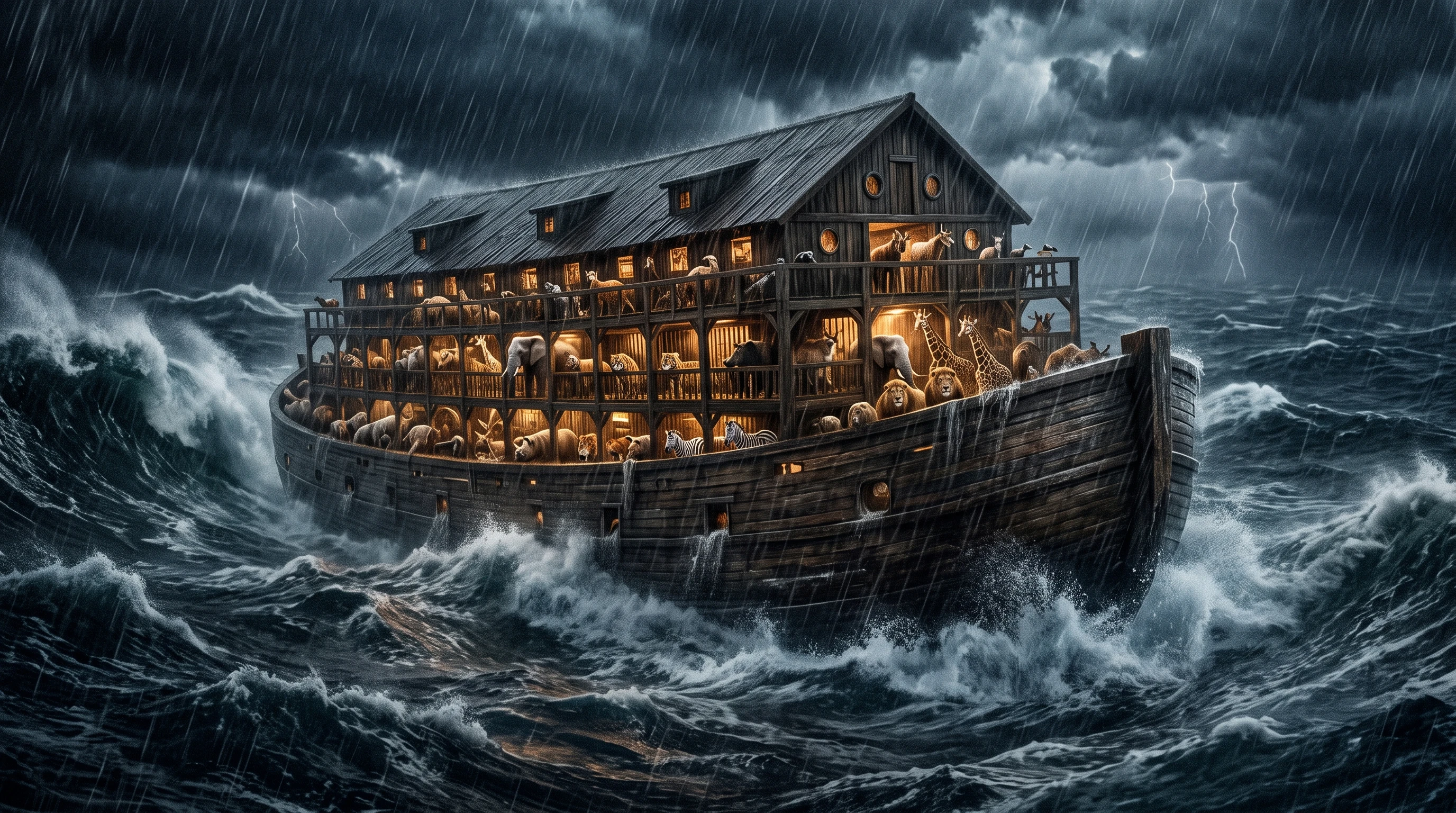
Once Noah, his family, and the animals were all packed inside, things got real quickly. The Bible says rain pounded the earth for forty days and forty nights, and even the “fountains of the deep” burst open. Water rose high enough to cover the tallest mountains; nothing outside the Ark survived.
Inside the Ark, Noah’s family and all those animals rode out the storm. They spent over a year afloat before things dried up. That means they had to make food and supplies last for much longer than just a few weeks. It’s worth thinking about the day-to-day challenges they faced: feeding animals, cleaning, dealing with cramped living spaces, and keeping hope alive while waiting for a sign that the world was renewing outside.
I think about the patience and trust that must have taken. They couldn’t see the world changing outside, but they had to believe in the promise that it would eventually be safe again.
God’s Promise and the Rainbow
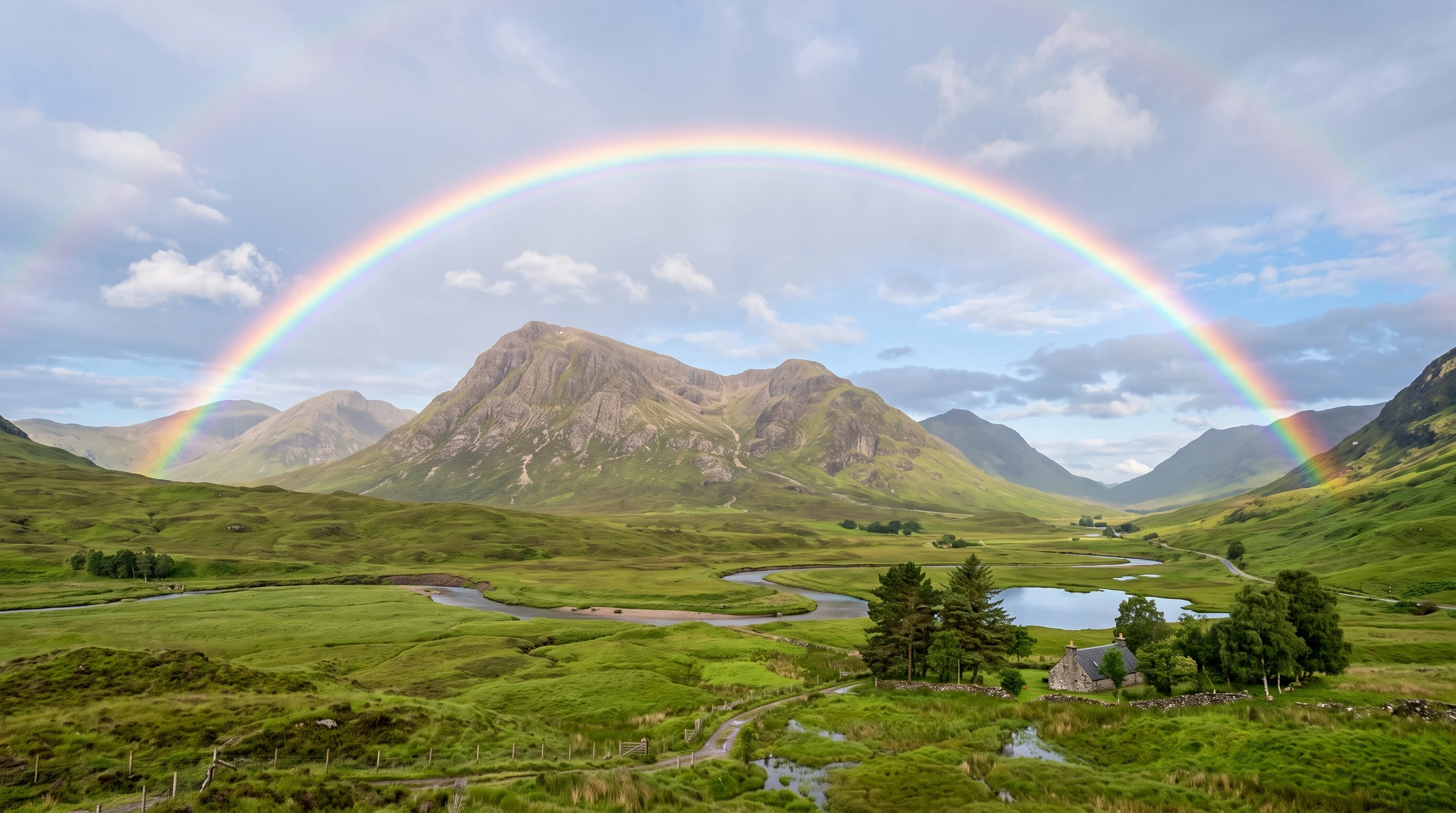
When the waters finally went down and Noah opened the Ark’s door, the first thing he did was build an altar and thank God. That moment really speaks to how grateful and humble he was after surviving such a wild experience. God made a special promise, not just for Noah but for all living things: never again to destroy the whole earth with a flood. As a sign of that promise, God set a rainbow in the sky.
The rainbow is more than just pretty weather; it’s called a covenant in the Bible, which basically means a super strong agreement. Even today, plenty of people see rainbows and think of peace, hope, and new beginnings. Every time I see one, I remember that ancient promise of care and protection.
This promise went beyond Noah and his immediate family. It offered reassurance to everyone who came after him—animals and people alike. That sense of continuity and assurance is part of why the rainbow keeps showing up in stories, art, and modern symbolism. No matter your background, there’s something hopeful in seeing a rainbow after a storm has moved on.
What Noah’s Story Still Means for Us
There’s a lot packed into the story of Noah and the flood: surviving big challenges, learning patience, adapting in tough times, and trusting even when it’s tough. Noah’s example is all about sticking to what’s right in a world that can sometimes feel chaotic. The rainbow feels like this gentle reminder that, after hard storms, fresh starts are possible.
The themes of rescue, second chances, and hope have kept this story alive for thousands of years. Whether you read the account as history or as a powerful parable, it’s a message about making it through the floods of life and waiting for the sun to come out again. Kids love the animal parts; adults might find comfort in the reminder that things can turn around, no matter how rough the storm.
Share Your Thoughts
How does Noah’s story or the symbol of the rainbow speak to you? I’d love to hear your perspective or personal insights in the comments below about what survival, hope, or second chances mean in your own life. Maybe you have your own “ark” moments—times you had to ride out a storm and came out stronger afterward. Let’s keep the conversation going!