The Line of Shem, the Generations After the Flood, and God’s Providential Preparation for Abram
Primary Scripture: Genesis 11:10–26
Editorial Preface — Reading the Generations with Scripture First
Genesis 11:10–26 is more than a sequence of unfamiliar names. It is the inspired bridge from the post-Flood nations and Babel to the family of Terah and the coming call of Abram.
This article follows what Scripture explicitly states, marks reasonable biblical inference as inference, and keeps later chronological, scientific, historical, and theological proposals distinct from revelation. The genealogy records real generations and real ages. We will take those details seriously without forcing the passage to answer questions it does not explicitly address.
What This Passage Shows
Even when the biblical story appears quiet, God’s unfolding purpose continues through generations, preparing the way for Abram and the covenant promises that follow.
Terah’s Family Brings Abram Into View
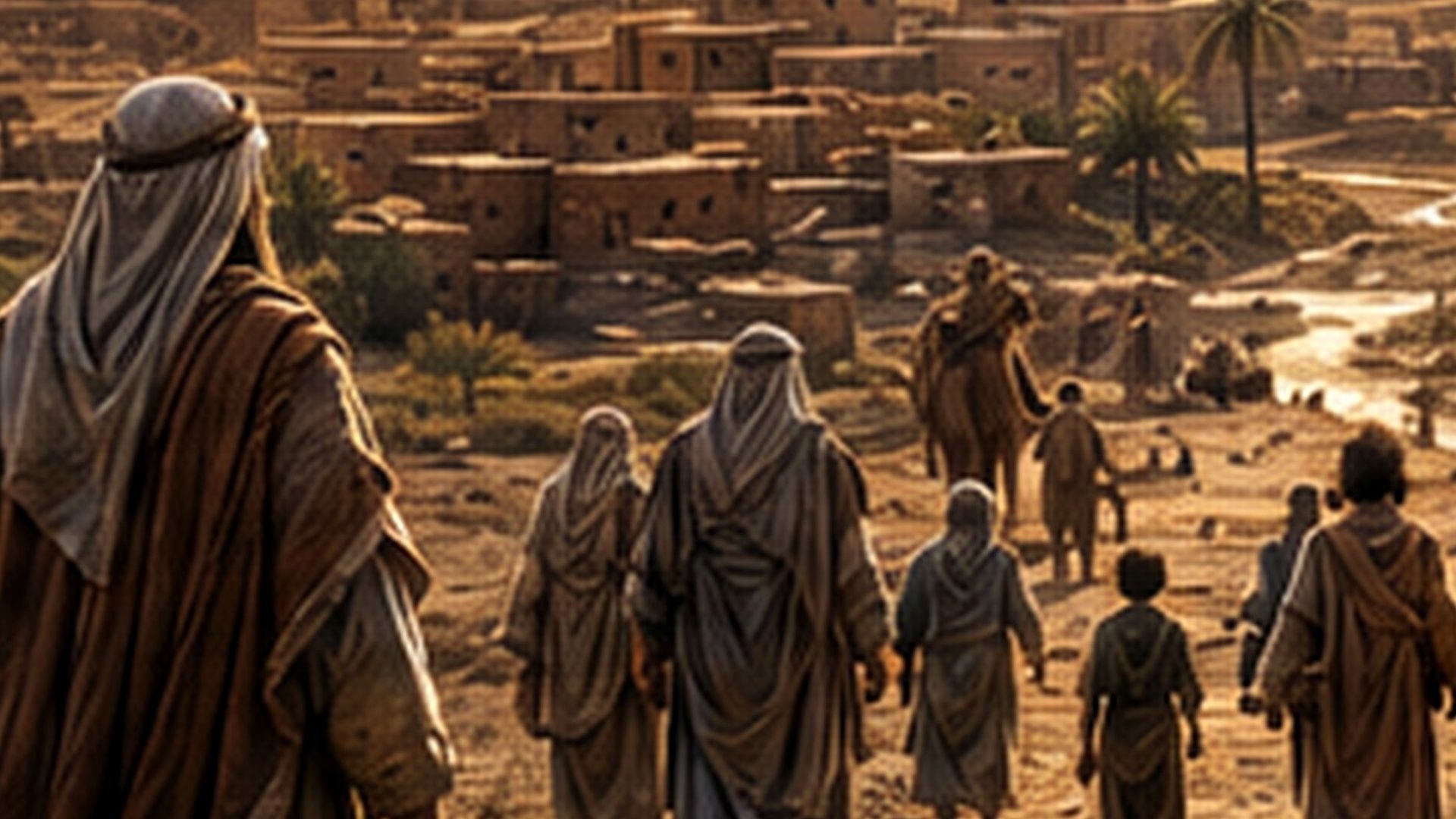
Genesis 11:10 marks a deliberate change in direction: “These are the generations of Shem.” After the nations spread and Babel ended in scattering, Scripture returns to Shem and begins tracing the particular line that will lead to Terah and Abram. The genealogy is therefore not an isolated list. It connects Noah’s post-Flood world to the patriarchal story that follows. Genesis 10 surveyed the descendants of Noah’s sons broadly; Genesis 11:10–26 narrows the focus. The nations have not become unimportant, but the narrative now follows one line because the next stage of God’s revealed purpose will unfold through Abram.
This narrowing prepares the reader for Genesis 12 without suggesting that God has forgotten the wider human family. Genesis 11:10 gives a chronological marker: Shem was one hundred years old and fathered Arphaxad two years after the Flood. The verse anchors the genealogy directly to the preceding history and shows that the post-Flood generations belong to the same continuing biblical narrative. Genesis does not provide a biography of Arphaxad. We should not invent one. His importance here is the place Scripture gives him in the continuing genealogy.
The Line Continues Through Eber, Peleg, and the Generations After Them
Shelah fathers Eber, and Genesis continues the sequence: Shem, then Arphaxad, then Shelah, then Eber. Eber receives particular visibility elsewhere in Genesis, including Genesis 10:21. A linguistic relationship between Eber and the later designation “Hebrew” is commonly proposed, but Genesis 11 does not pause to give an explicit explanation. We should therefore avoid making the genealogy carry more weight than Scripture places upon it.
Genesis 11:16 records that Eber fathered Peleg. Genesis 10:25 has already associated Peleg’s days with a division of the earth. Because Genesis 10 is followed by Babel, many understand that statement in relation to humanity’s division and dispersal; that is a reasonable contextual interpretation, not an additional sentence of Scripture. Genesis does not explicitly teach a geological division of continents here. The primary significance in this genealogy is straightforward: the selected line continues through Peleg.
Peleg fathers Reu. No dramatic episode accompanies the notice, yet the biblical story continues. Genesis reminds us that God’s purposes unfold not only through spectacular events but also through ordinary generations whose lives Scripture records only briefly. We should not invent hidden stories for Reu. What has been revealed is enough for the genealogy’s purpose. The narrative has narrowed from the nations to one household, preparing for the LORD’s call of Abram.
Genesis 11:26 names three sons together: Abram, Nahor, and Haran. The formula recalls Genesis 5:32, where Noah’s three sons are named together. It marks a transition from genealogical sequence to a family whose relationships will shape the next stage of Genesis. The verse does not require us to assume that all three were born when Terah was seventy, nor does naming Abram first by itself prove that he was the firstborn.
Genesis 11:26 does not explicitly explain why Abram is listed first. The narrative that follows, however, makes his prominence unmistakable: from Genesis 12 onward Abram becomes the principal human figure as the LORD calls him and establishes covenant promises with him. It is therefore reasonable to understand Abram’s first position as reflecting narrative and theological prominence, while identifying that conclusion as inference from the larger context.
Scripture comes first; chronological systems come second. A reconstruction may be carefully reasoned, but it must never become more authoritative than the biblical text itself.
The architecture of Genesis 10–12 is becoming clear. Genesis 10 spreads outward to the nations; Babel gathers humanity and ends in scattering; Genesis 11:10–26 narrows through Shem’s line until Terah and Abram appear. Genesis 12 will then reveal God’s call and promises to Abram. The narrative narrows to one man without abandoning the nations. God will promise that in Abram all families of the earth will be blessed.
Genesis 11:10–26 stands as a bridge between the primeval history and the patriarchal history. Behind it are Creation, the Fall, the Flood, the covenant with Noah, the nations, and Babel. Ahead are Abraham, Isaac, Jacob, and Joseph. The change in narrative scale is remarkable: Scripture moves from humanity broadly toward one family through whom the next stage of God’s unfolding purpose will be revealed.
Genesis 11 itself traces Shem toward Terah and Abram. The wider canon later shows that this historical line belongs within the redemptive history that ultimately reaches Jesus Christ. Matthew identifies Jesus as “the son of David, the son of Abraham,” while Luke carries His genealogy backward through Abraham, Shem, Noah, and Adam. We do not force Christ artificially into every individual name. Scripture itself supplies the canonical connection.
The line moves from Noah to Shem, through the generations to Terah and Abram, then through the covenant and royal line toward Jesus Christ. Genesis 11 reveals only its own portion of that line; the completed canon allows us to see where the history ultimately leads. The nations scattered in Genesis remain within God’s unfolding redemptive purpose, a theme that reaches its fullness in the later biblical witness.
Read Genesis 11:10–26 slowly. Follow the names: Shem, Arphaxad, Shelah, Eber, Peleg, Reu, Serug, Nahor, and Terah. Notice the repeated pattern of age, named son, additional years, and other sons and daughters. Then continue into Genesis 11:27–32 and Genesis 12:1–3.
Conclusion — What This Passage Shows
Even when the biblical story appears quiet, God’s unfolding purpose continues through generations, preparing the way for Abram and the covenant promises that follow. From the scattered nations, Genesis follows the line of Shem through the post-Flood generations until the narrative reaches Terah and prepares for Abram.
Join the Conversation
After reading Genesis 11:10–26, what truth from this passage stands out most clearly to you, and how does it shape your understanding of God and His purposes?
Take a moment to reflect on the passage and share your thoughts in the comments below. Your reflection may encourage another reader in their own journey through God’s Word.
Go Deeper
This article is drawn from a fuller Platinum Study with deeper exposition, Scripture connections, key truths, and interpretive safeguards.