The story of the Ten Plagues from the book of Exodus is one of those ancient tales that really grabs your attention, no matter how many times you’ve heard it. These plagues weren’t just random disasters. They carried deep meaning for both the ancient Egyptians and the Israelites. It’s actually a pretty wild ride through frogs, bugs, darkness, and more, with each plague showing something about power, justice, and change.
Ever wondered if these plagues had a point beyond chaos?
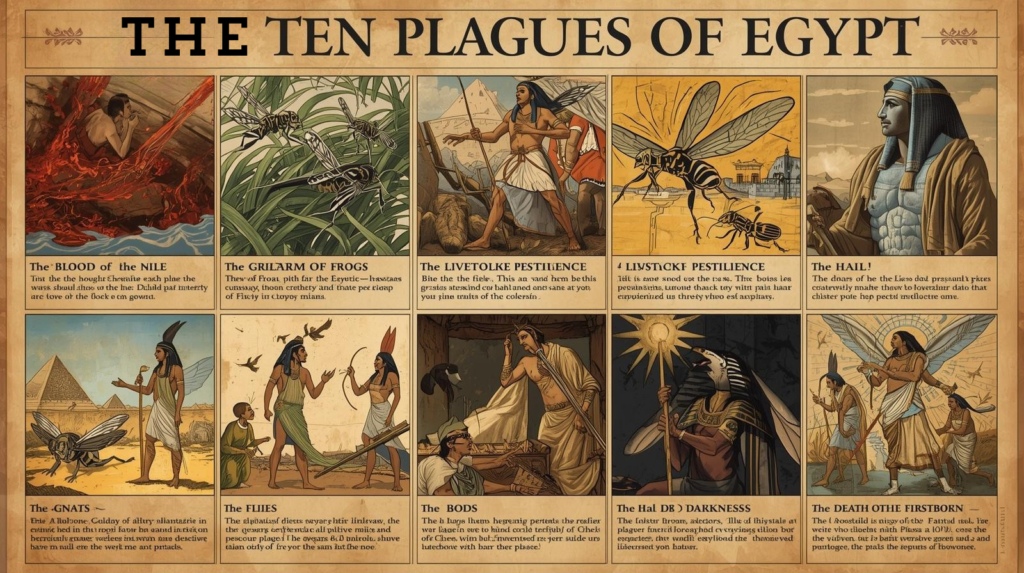
Quick Glance: The Ten Plagues and What They Signify
- The Nile turns to blood: a statement about life’s source becoming undrinkable
- Frogs overrun the land: chaos and discomfort up close
- Lice or gnats everywhere: loss of cleanliness and control
- Swarms of flies: daily life totally disrupted
- Pestilence attacks livestock: economy shaken to the core
- Boils and sores: personal suffering hits everyone
- Hail and fire: nature unleashed in dangerous ways
- Locusts descend: food security gone
- Darkness falls: total loss of direction and hope
- Death of the firstborn: undeniable loss that changes everything
The First Plague: Water Turns to Blood

The Nile River was basically the heart of Egypt, supporting farming, drinking, fishing—pretty much everything. When it turned to blood, life came to a standstill. This disaster wasn’t just gross; it showed that even nature’s most reliable resource could be shaken. For the Egyptians, it was a wakeup call that the things they trusted most could change overnight. For the Israelites, it was a sign that their struggles were being noticed by someone bigger than Pharaoh.
The Second Plague: Frogs Everywhere

Frogs hopping onto every surface turned daily comfort into chaos. They crowded into beds and ovens, so you couldn’t eat or sleep without dealing with them. It sounds almost funny, but it was a direct challenge to Egyptian gods associated with fertility and water. This plague showed that all those tiny annoyances can really stack up and push people to their limits. It was also about the breakdown of regular life, which made everyone pay attention.
The Third Plague: Lice or Gnats
Soon after, the dust itself turned into lice or gnats. Imagine being surrounded by biting, crawling bugs that you just couldn’t escape. The comfort of personal space and hygiene was gone. This plague hit both animals and humans, making life super uncomfortable. It was a way of saying, “Even the smallest things can cause big problems if the balance is off.”
The Fourth Plague: Swarms of Flies
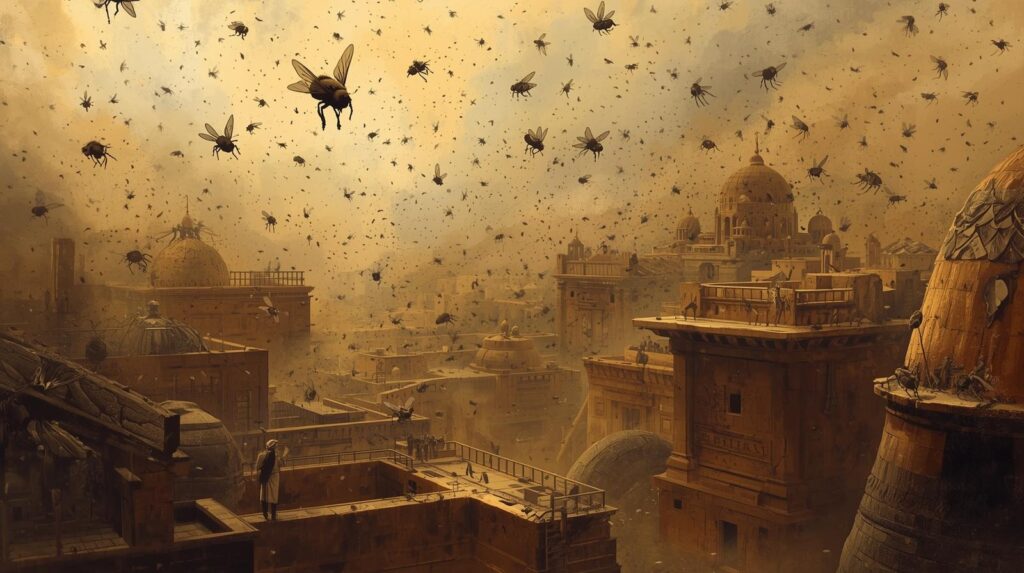
Life got worse with clouds of flies that moved into every home and space. Regular routines broke down, work couldn’t get done, and sleep was almost impossible. By now, the Egyptians were desperate for relief, hoping for an end to the misery. The flies also separated the Israelites from the Egyptians, marking a switch where one group was spared. This highlighted ideas of justice and protection for the oppressed, showing that circumstances could turn quickly.
The Fifth Plague: Livestock Disease
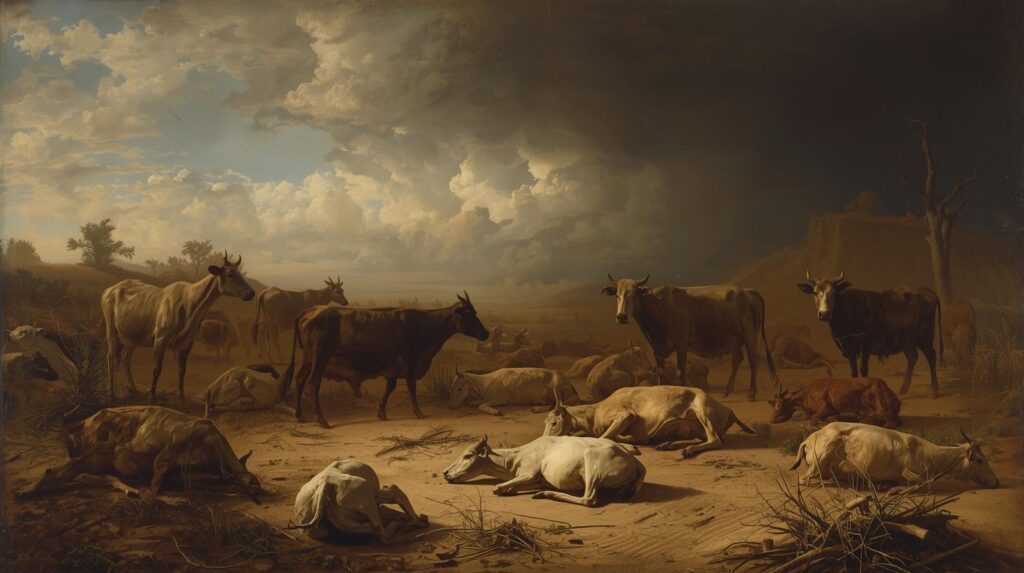
Egypt’s wealth and food centered on their herds, so disease wiping out livestock was a massive blow. Suddenly, resources dwindled and the backbone of the economy broke. The message was clear; even things built over generations aren’t guaranteed. The Israelites’ animals weren’t touched, and that showed them their future looked very different from Egypt’s. This event wasn’t just about animals; it struck at the heart of what kept society running, driving home the difference between the two peoples.
The Sixth Plague: Boils and Sores
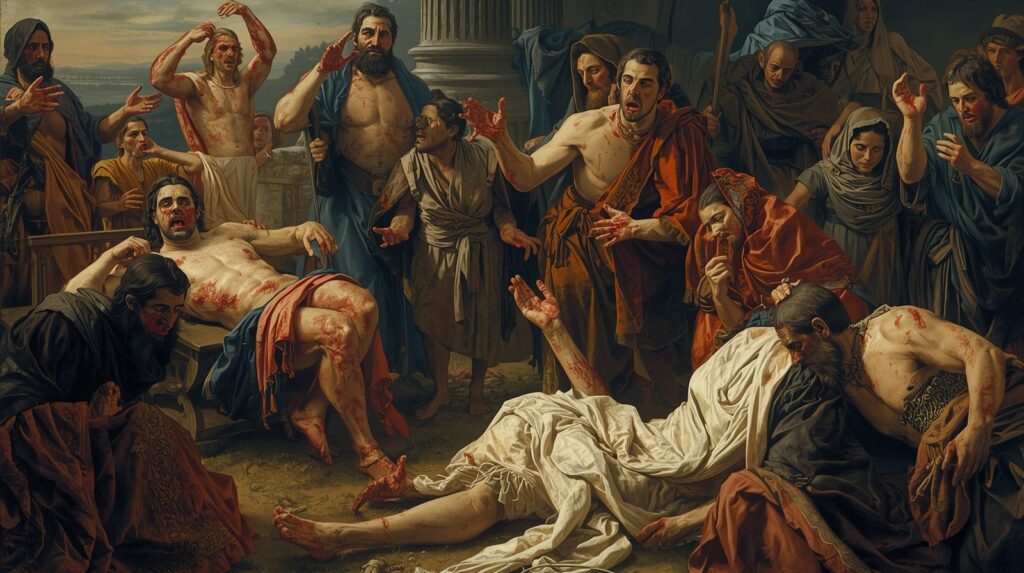
No one could ignore painful sores covering their skin. Egyptians, magicians, and animals alike were miserable, struggling with the constant discomfort. Physical suffering made it impossible to focus on anything else, and public image and status lost their power because everyone was in the same boat. It was a reminder that nobody is untouchable, no matter how powerful they thought they were.
The Seventh Plague: Hail and Fire
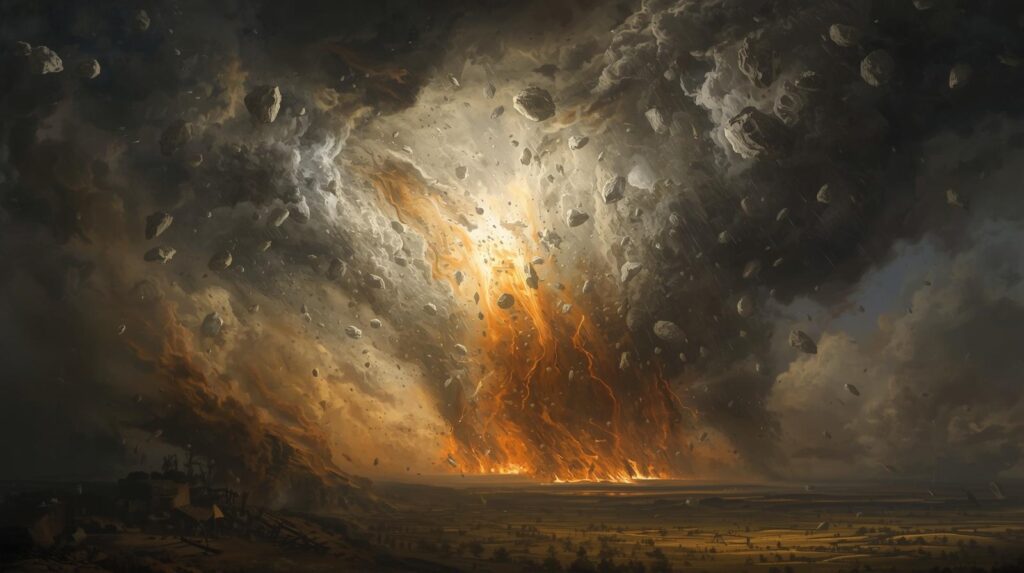
The skies unleashed a storm with ice and fire mixed together, trashing crops, trees, and livestock left in the fields. Nature was flexing muscles in a way Egyptians couldn’t control or predict. Food security and comfort took another major hit, and the idea was that real power can come from places you don’t expect or control. Frequent storms like these would have made everyone think twice about feeling safe or secure.
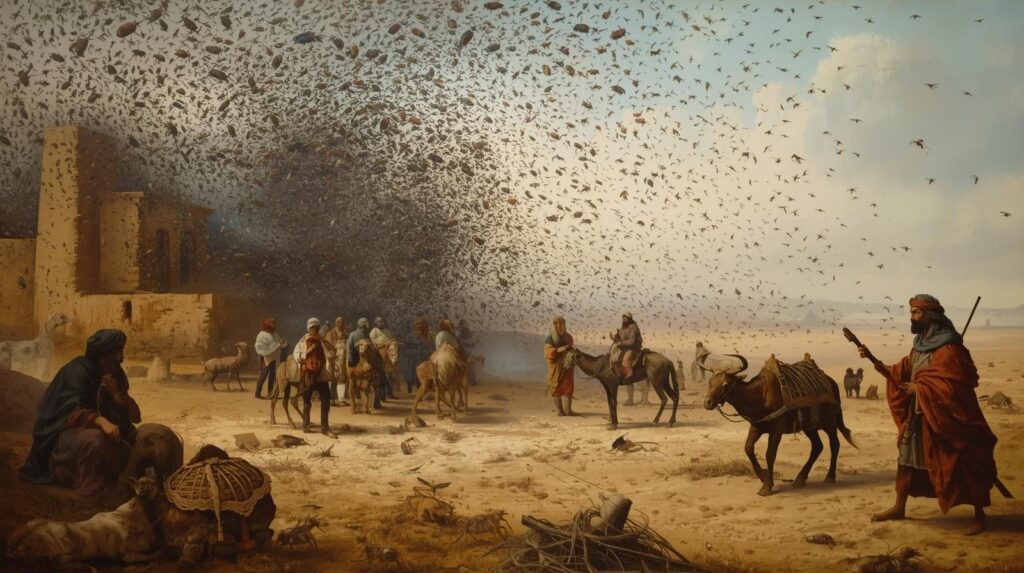
The Eighth Plague: Locusts
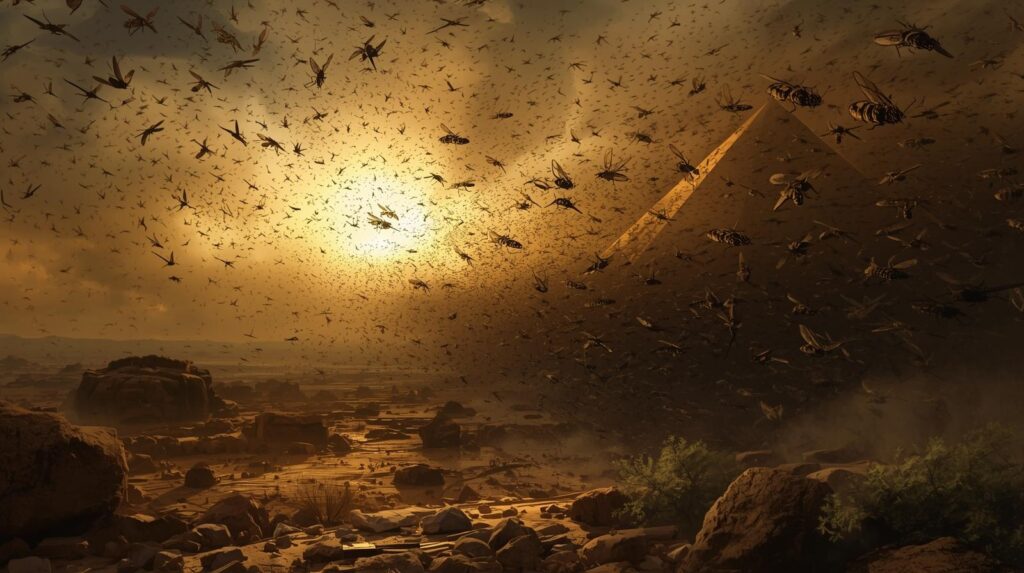
Any crops that survived so far didn’t last long when an army of locusts swept through, eating everything green in sight. This wasn’t just a food problem but a total loss of hope for quickly rebuilding their future. The land was left bare, barren, and showing how fast things can go from thriving to desperate. People were faced with the reality that things could fall apart in an instant if they had no control over nature.
The Ninth Plague: Total Darkness
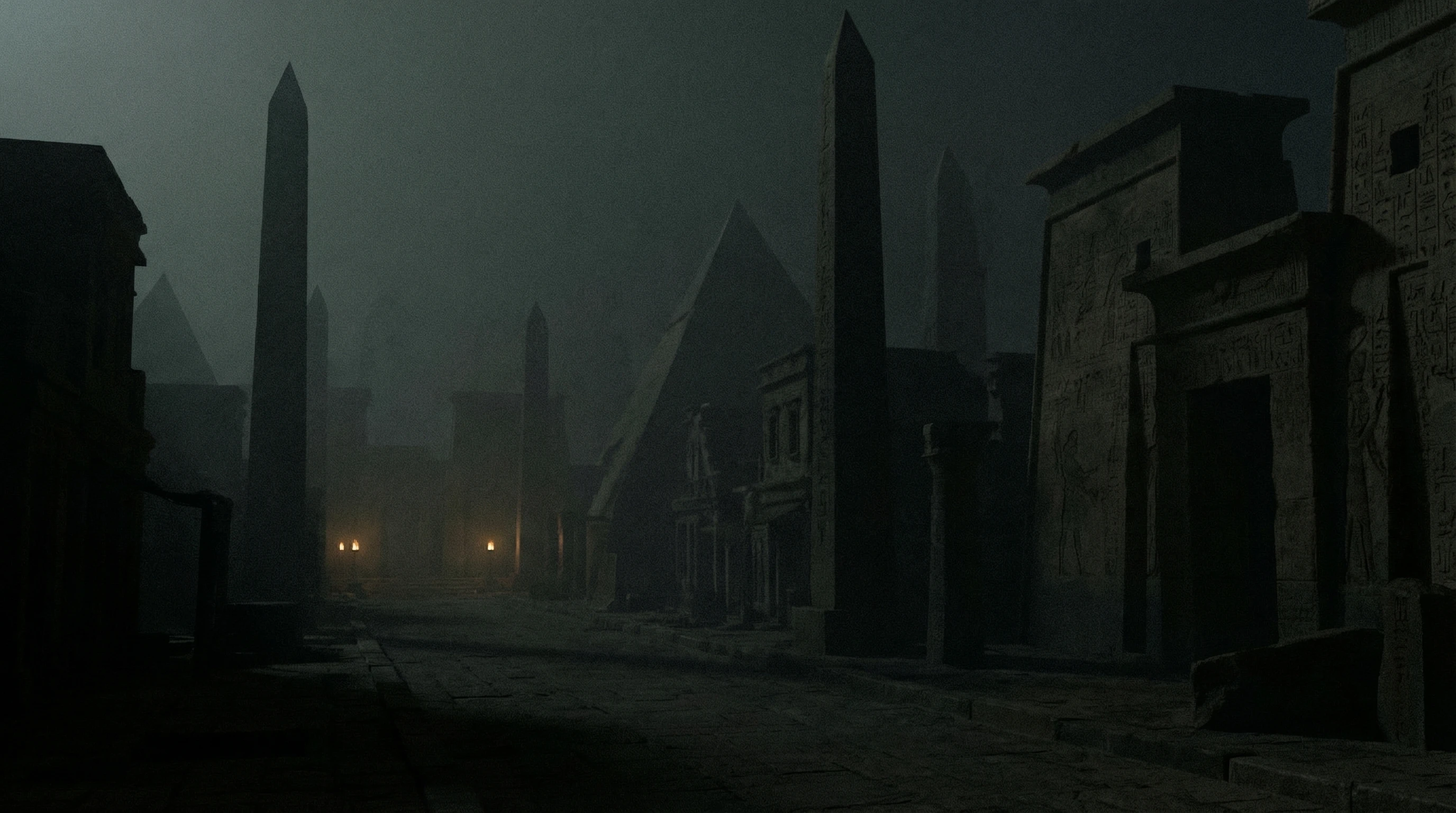
For three days, no one could see a thing. That kind of dark is hard to imagine. An entire city unable to function brings everything to a stop and gives room for reflection. The Egyptians worshiped the sun, so this probably felt like an attack on their deepest beliefs. Darkness also brought fear and forced everyone to pause and think about their actions and beliefs.
The Tenth Plague: Death of the Firstborn
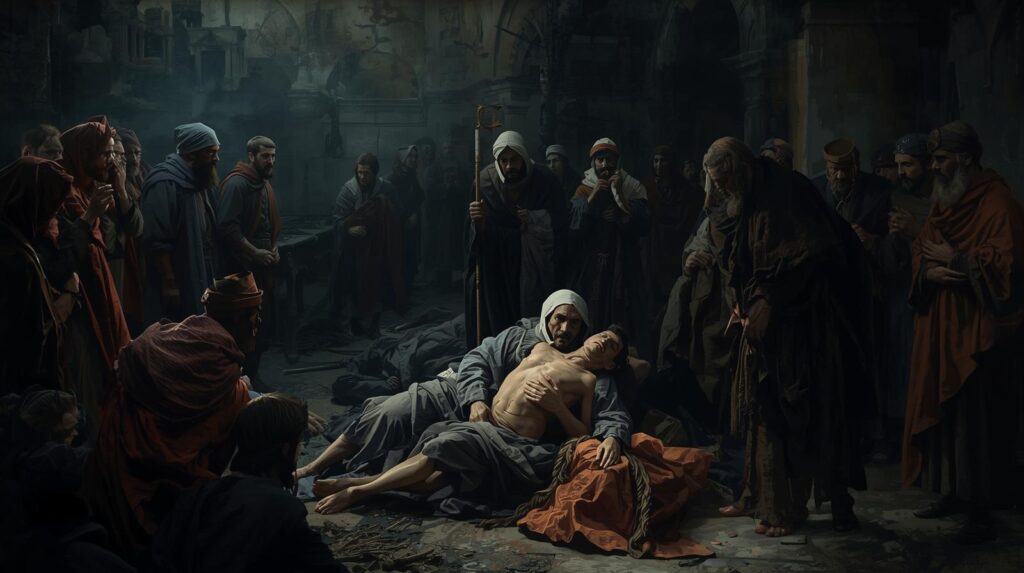
The final plague was the most devastating. Every Egyptian family lost their firstborn, from royalty to everyday people. It was an undeniable signal that things had changed forever. For the Israelites, it marked freedom from slavery after generations of suffering, but it brought sorrow and grief across Egypt. Even now, Passover is observed to remember this major turning point and the tough struggle that led to liberty.
A Thought to Take With You
These plagues aren’t just old stories. They’re packed with lessons about resilience, freedom, and the dangers of unchecked power. They remind me that things can always change and sometimes struggle opens the door to something new. If you’ve thought about what these stories mean or noticed any parallels in your own life, it’d be great to hear your thoughts below.