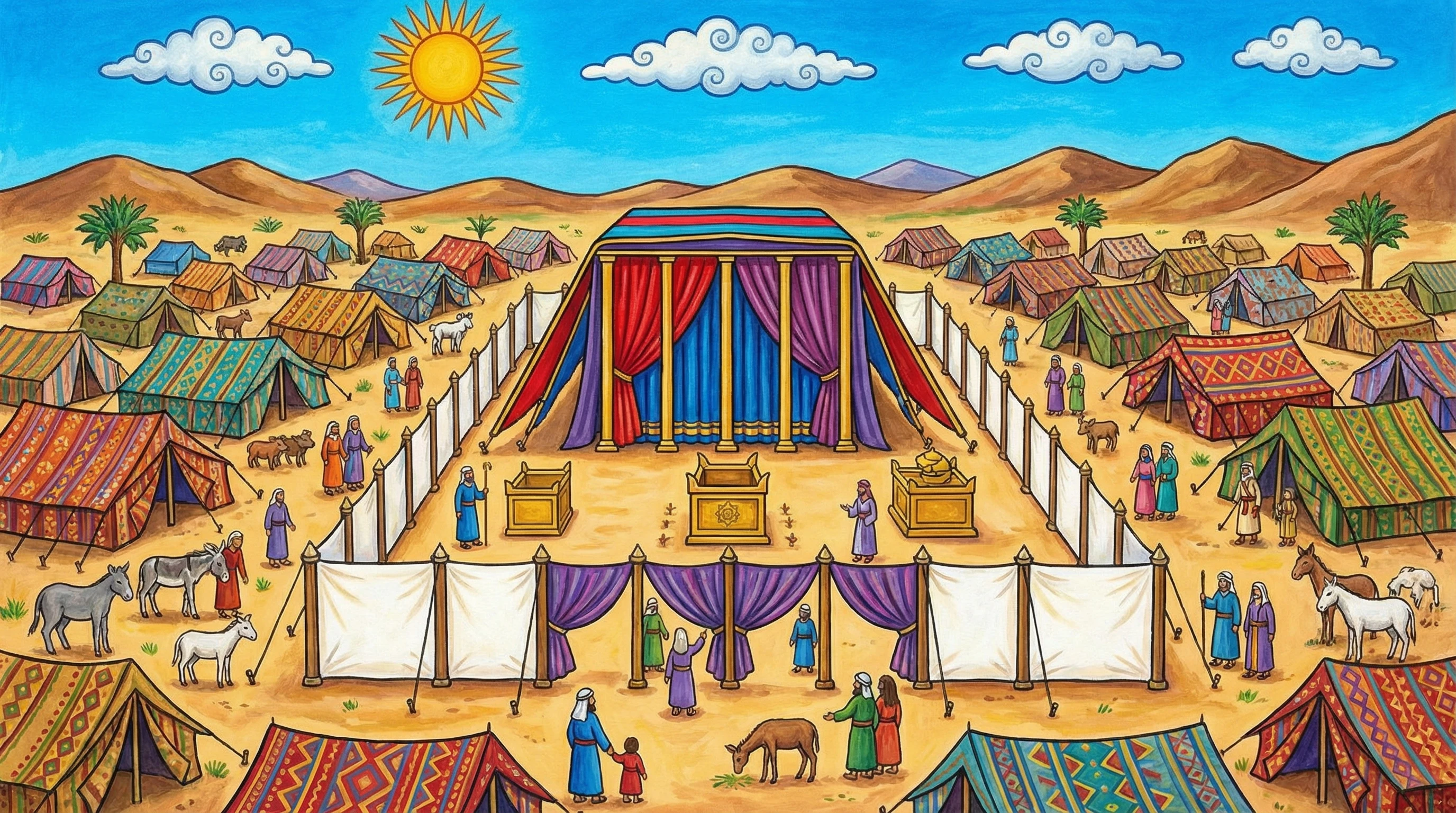
The Tabernacle sits right at the center of ancient Israel’s story. This was more than just a portable tent. It was a direct response to God’s command after the Exodus. Every part of it, down to the materials used, comes straight from detailed instructions in the Old Testament. At its core, the Tabernacle symbolizes God’s desire to dwell among His people and create a space for focused, meaningful worship.
Ever thought about what having a physical meeting place with God meant for a group wandering the desert?
Main Points
- The Tabernacle’s biblical roots go back to the days of Moses and the Exodus journey
- Blueprint for worship with its detailed setup, symbols, and rituals
- Spiritual meaning of God’s presence among His people
- Tabernacle as a teaching tool for community, holiness, and daily living
- Connection between the Tabernacle and later temples in Israel’s history
- Modern lessons drawn from the Tabernacle for today’s spiritual life
Tabernacle Origins: God’s Design and Purpose in the Wilderness
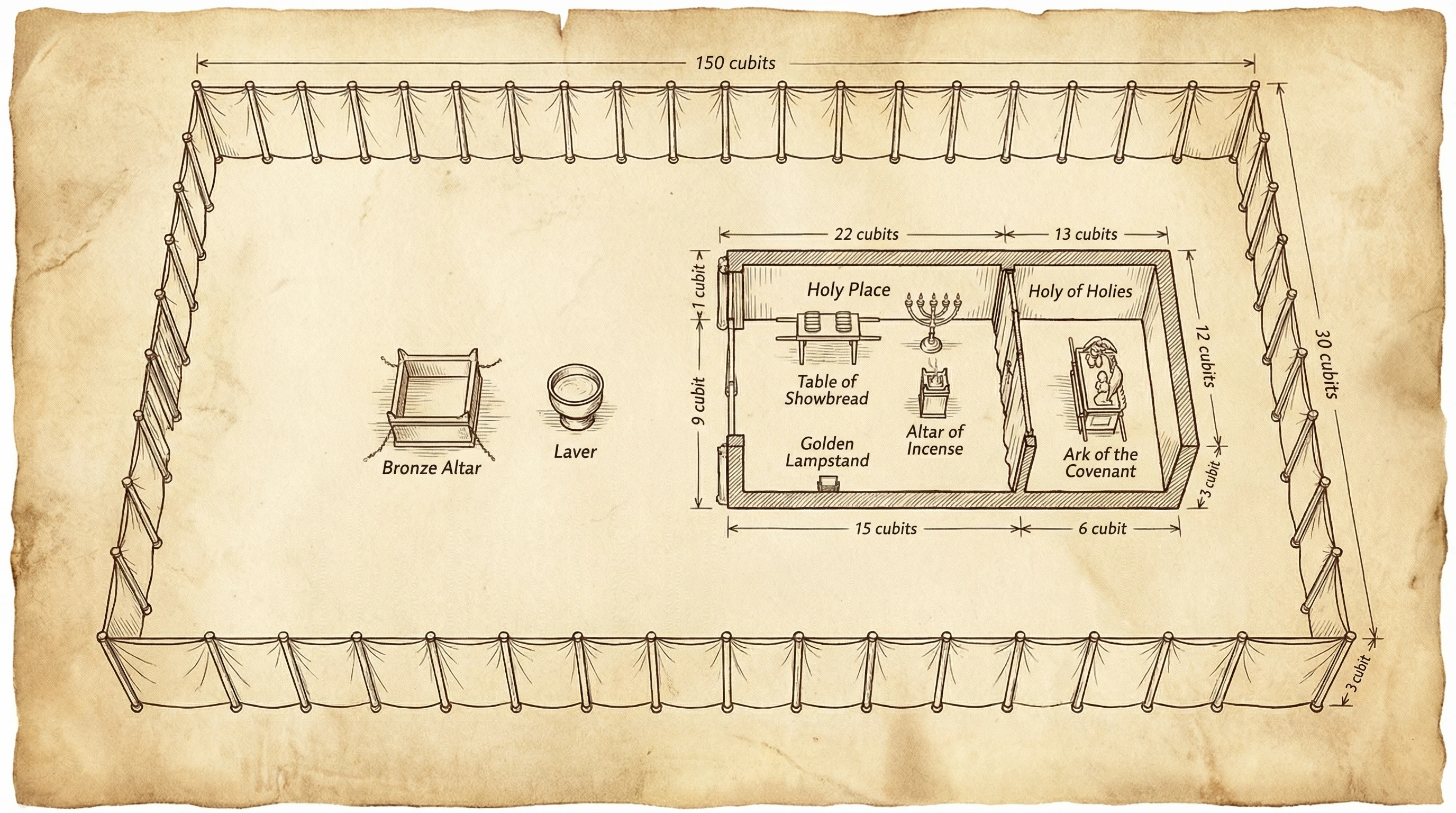
In the wild uncertainty right after leaving Egypt, the Israelites needed tangible signs that they weren’t alone. That’s where the Tabernacle comes in. God instructed Moses to build it based on a super specific pattern (Exodus 25-27), right down to the size of each curtain and the decorations on the Ark. The idea was pretty straightforward—give the people a visible spot where God’s presence would rest among them during their adventure. For a nation on the move, the Tabernacle was also designed to be portable. It could be taken down, packed up, and set back up at every camp, making sure God was always at the center of Israel’s camp.
This setup was packed with meaning. The very center of the Tabernacle, called the Holy of Holies, held the Ark of the Covenant. Only the high priest could enter there, and just once a year, symbolizing the weight of approaching God and the need for mediators in worship.
Symbols, Structure, and Everyday Worship
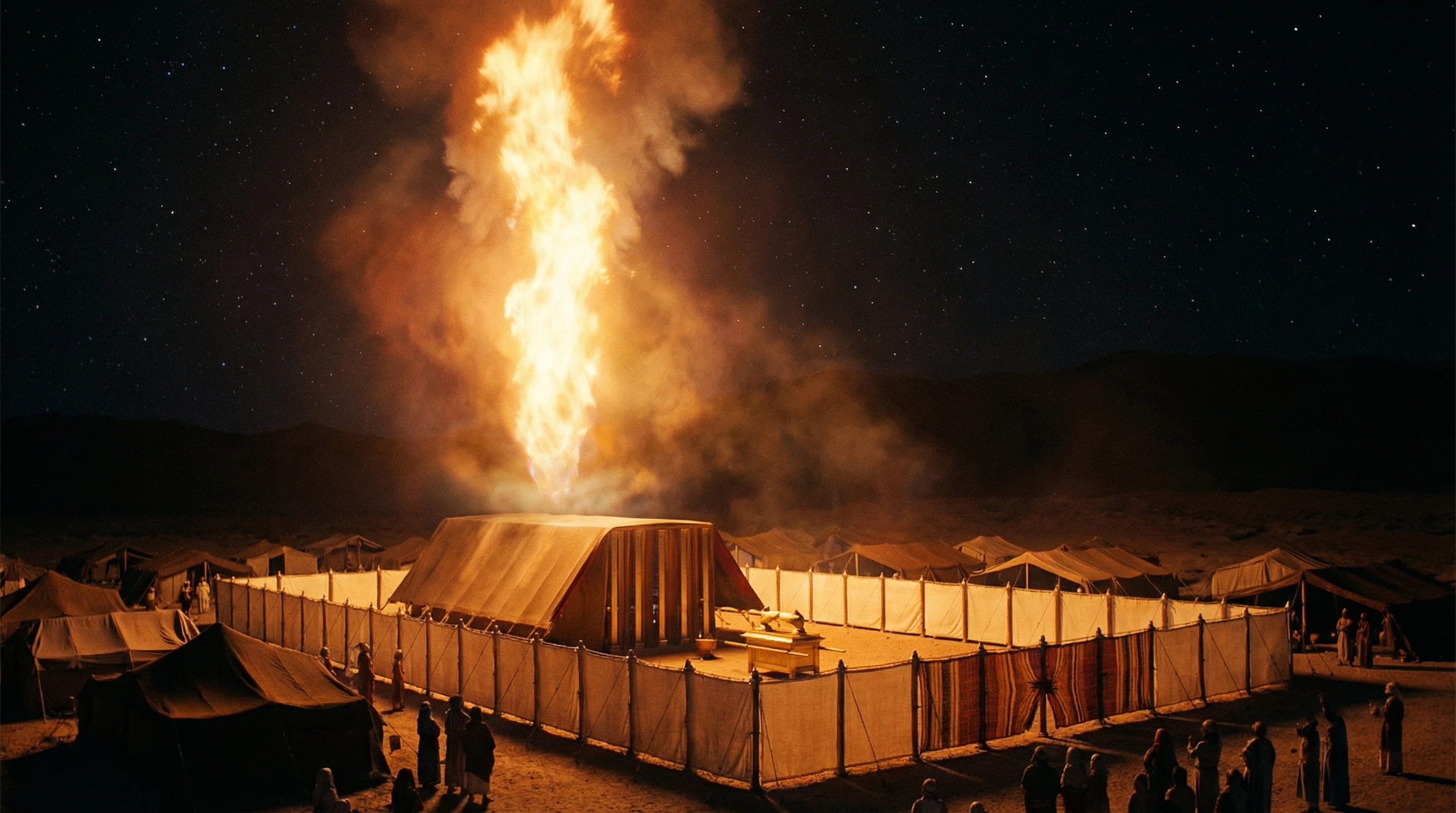
The Tabernacle was laid out with three main areas: the outer court, the Holy Place, and the Holy of Holies. Moving inward meant drawing physically and spiritually closer to God. The furniture, rituals, and sacrifices were all practical reminders of big ideas like forgiveness, purity, and gratitude.
Everyday Israelites played a part, too. Sacrifices were brought by the people, and priests served as go-betweens. This process created a strong sense of community and shared responsibility. For most, just seeing the pillar of cloud or fire above the Tabernacle served as a reminder that God wasn’t far off. He was right there in the camp, guiding them through life’s uncertain moments and daily routines.
The Tabernacle’s Spiritual Meaning: God’s Presence in Everyday Life
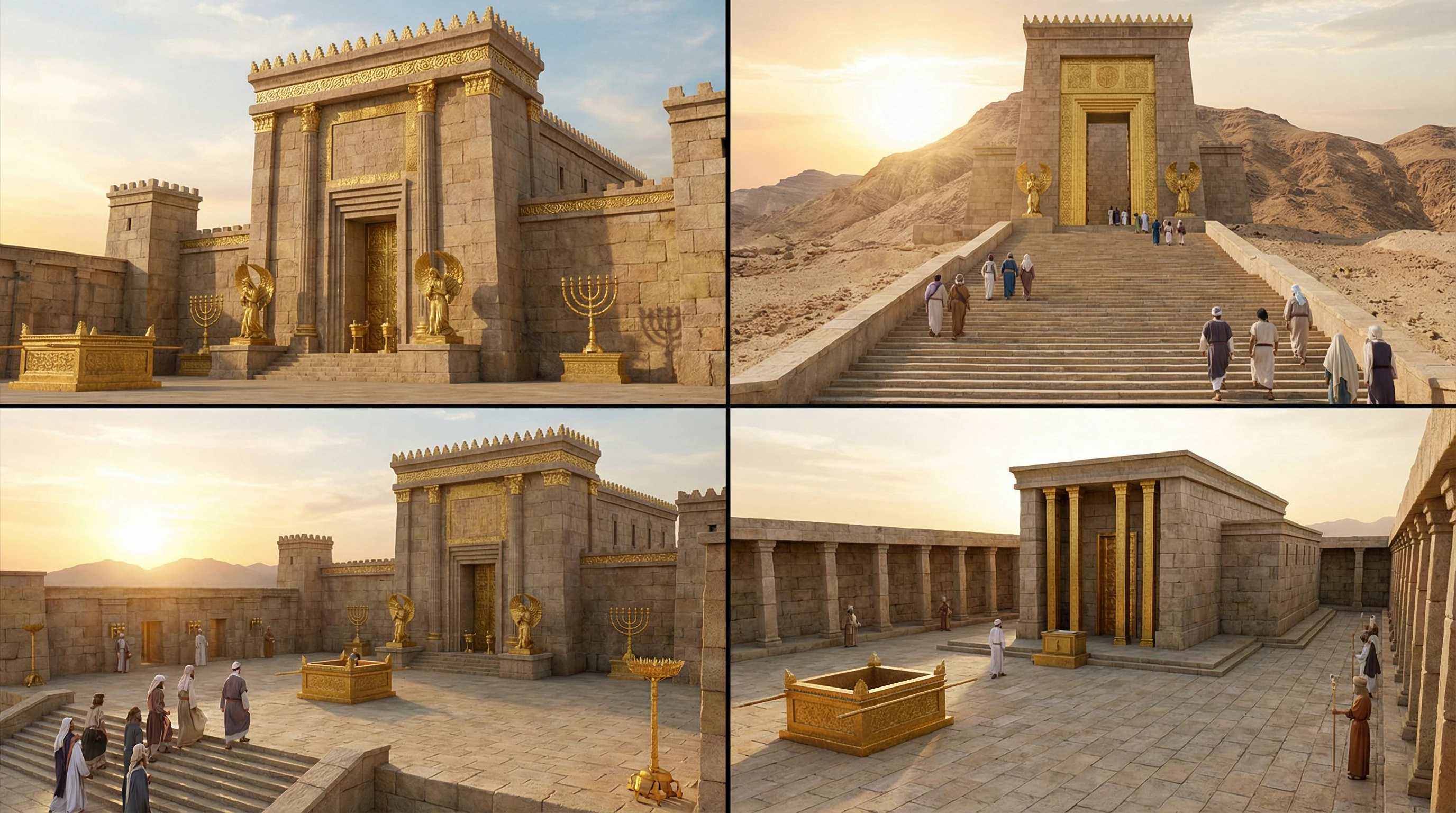
At its heart, the Tabernacle answered the big question, “Where is God?” For ancient Israel, this felt real and immediate. The presence of God over the Tabernacle gave comfort, direction, and assurance. This wasn’t just a physical house; every detail reflected a holy God wanting to make His home with ordinary people.
The Tabernacle also laid out what it meant to be connected to something bigger. The rituals might seem foreign today, but they taught the whole community about holiness, forgiveness, and starting fresh after failure. God wasn’t out of reach. He was involved in every aspect of their story. It shaped the Israelites’ whole attitude toward worship, prayer, and daily choices. For many, the lessons from the Tabernacle continue to shape how people relate to God—reminding us that even mundane tasks and ordinary days can be sacred when approached with faith and intention.
From Tabernacle to Temple and Its Legacy Today
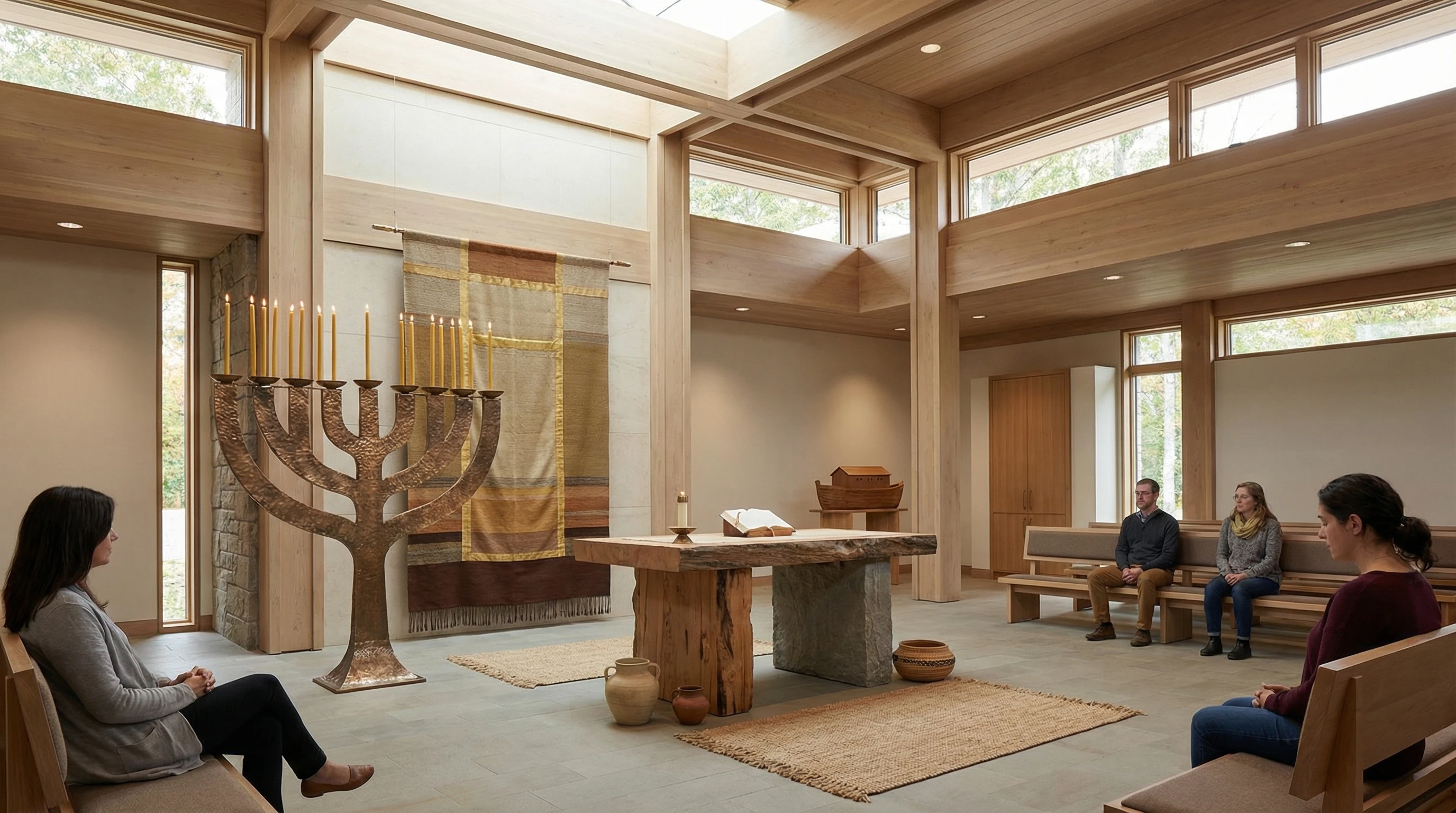
Once Israel settled in the land, the move from Tabernacle to the stone temple built by Solomon showed how the original design still mattered. The basic layout and symbols carried over, helping connect generations to their shared spiritual roots. Even when the actual Tabernacle was long gone, its story kept inspiring new ways to approach worship and community.
Many modern traditions, from church sanctuaries to prayers of confession, trace their history back to Tabernacle ideas. The importance of creating space for God, honoring sacred rhythms, and letting worship change daily life is just as relevant now as it was back in the desert. Communities today still look to the Tabernacle for inspiration when thinking about design, sacredness, and purpose in gathering together.
The Tabernacle’s Role in Shaping Community and Worship Today
For anyone interested in spiritual growth, the Tabernacle’s story offers some real food for thought. It invites people to set aside space in everyday life for reflection, honesty, and meeting with God. The idea of “God with us” is just as powerful now as it was then.
So when I think about modern worship, whether it’s in a big church, small group, or quiet corner at home, the spirit behind the Tabernacle still shines through. It’s about finding ways to make room for the sacred, staying open to God’s guidance, and sharing the adventure with others. This tradition continues to call people toward community, reverence, and real transformation.
Questions or Insights?
Got any questions or thoughts? Feel free to jump into the conversation below. I’d love to hear how the Tabernacle’s story connects with your own spiritual adventure!