Genesis Journey · Study No. 24
The LORD’s Covenant with Abram — “Fear Not, Abram: I Am Thy Shield”
God’s Covenant Promise, Abram’s Faith, Righteousness Counted by Faith, the Promise of the Land, and the Covenant Ceremony
Genesis 15:1–21
Study Orientation
Study at a Glance
Primary Scripture
Genesis 15:1–21
Central Theme
The LORD reassures Abram, promises an heir from his own body, counts Abram’s faith for righteousness, reaffirms the land, and solemnly confirms His covenant commitment.
Central Truth
God Himself carries the covenant promise. Abram believes the LORD, and his faith is counted for righteousness while God confirms His word by covenant.
Journey Position
Genesis Journey · Study No. 24
Editorial Preface — Hearing the Covenant Word Carefully
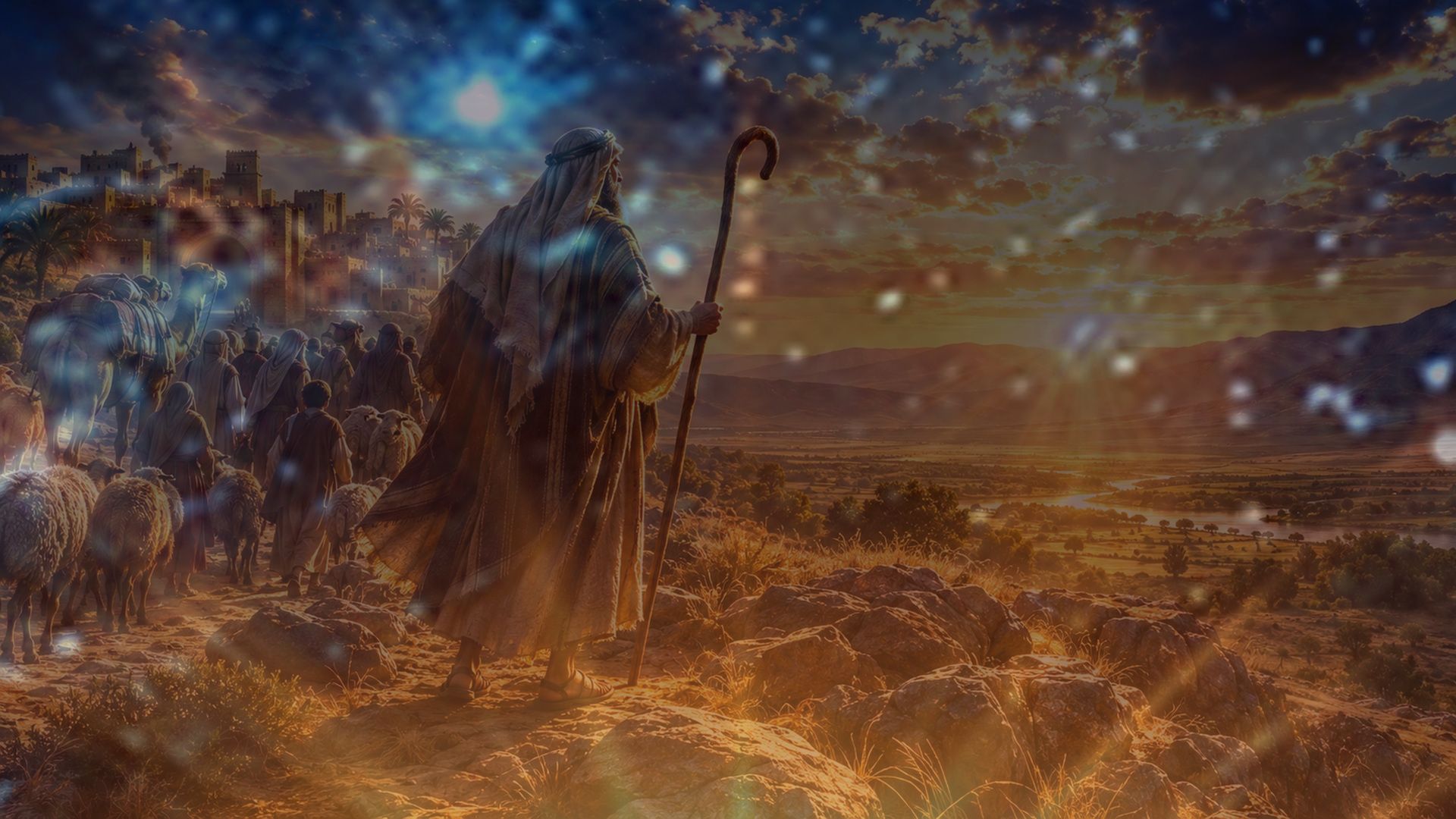
Genesis 15 follows Abram’s victory in Genesis 14 with something quieter and deeper: the word of the LORD comes to Abram in a vision. Abram has received promises, yet he still has no son. He asks how the promise can continue, and the LORD answers by promising an heir from Abram’s own body, directing his eyes to the stars, and reaffirming the land.
Our governing safeguard remains Scripture first. Genesis 15 explicitly records God’s word, Abram’s questions, Abram’s faith, the declaration that his faith is counted for righteousness, the covenant ceremony, and the prophecy concerning his descendants. Later Scripture—especially Romans, Galatians, and James—gives inspired interpretation of Genesis 15:6, but those passages must illuminate rather than replace the Genesis text.
CHAPTER 1
The Word of the LORD Comes to Abram
After the events of Genesis 14, the word of the LORD comes to Abram in a vision. God takes the initiative. The covenant story advances because God speaks, reassures, promises, and binds Himself by His word.
CHAPTER 2
“Fear Not, Abram: I Am Thy Shield”
The LORD tells Abram not to fear and identifies Himself as Abram’s shield and exceeding great reward. The reassurance is personal before it is circumstantial: Abram’s security rests first in the God who addresses him.
CHAPTER 3
Abram’s Question About an Heir
Abram answers honestly that he remains childless. The promise of a great nation has not yet produced the promised son. Scripture does not portray the question as unbelief merely because it is a question; Abram brings the unresolved tension before the LORD.
CHAPTER 4
The LORD Promises a Son
The LORD answers that Abram’s heir will not be the household servant he names. One who comes from Abram’s own body will be his heir. God narrows and clarifies the promise without abandoning what He has already spoken.
CHAPTER 5
“Look Now Toward Heaven”
God brings Abram outside and tells him to look toward heaven and number the stars, if he is able. “So shall thy seed be.” The visible heavens become a sign pointing Abram back to the reliability and magnitude of God’s promise.
CHAPTER 6
Abram Believes the LORD
Genesis states simply that Abram believed in the LORD. His faith is directed toward the LORD who has spoken. The emphasis is not on the greatness of Abram’s inner confidence but on the trustworthiness of God’s promise.
CHAPTER 7
Faith Counted for Righteousness
The LORD counts Abram’s faith to him for righteousness. This statement becomes foundational in later Scripture. We begin where Genesis begins: Abram trusts the LORD, and God counts that faith for righteousness.
The Golden Thread — God Counts Faith for Righteousness
Genesis 15:6 joins promise, faith, and righteousness in one concise statement. Later Scripture returns to this verse because the principle is already present here: God’s promise is received by faith, and righteousness is counted by God rather than achieved by human strength.
CHAPTER 8
The LORD Reaffirms the Gift of the Land
The LORD identifies Himself as the One who brought Abram out of Ur of the Chaldees to give him the land to inherit. The promise of descendants and the promise of land remain joined within God’s covenant purpose.
CHAPTER 9
Abram Asks How He Shall Know
Abram asks, “Lord GOD, whereby shall I know that I shall inherit it?” The LORD answers not with a rebuke recorded in the text, but by directing Abram into a solemn covenant ceremony.
CHAPTER 10
The Covenant Ceremony Is Prepared
At God’s instruction Abram brings the specified animals, divides several of them, and lays the pieces opposite one another. Birds of prey come down upon the carcasses, and Abram drives them away as the day continues.
CHAPTER 11
A Deep Sleep Falls upon Abram
As the sun goes down, a deep sleep falls upon Abram, accompanied by a horror of great darkness. The scene becomes solemn as the LORD prepares to reveal that fulfillment will include suffering before inheritance.
CHAPTER 12
The Prophecy of Abram’s Descendants
God tells Abram that his descendants will be strangers in a land that is not theirs and will be afflicted. The covenant promise does not mean an immediate path without hardship; God reveals a long historical road before the promised return.
CHAPTER 13
God Will Judge the Nation That Afflicts Them
The LORD declares that He will judge the nation whom Abram’s descendants serve, and afterward they will come out with great substance. The future oppression will not lie outside God’s knowledge or His justice.
CHAPTER 14
Abram’s Own Future
Abram himself will go to his fathers in peace and be buried at a good old age. The promise extends beyond Abram’s own lifetime, reminding the reader that God’s covenant purpose unfolds across generations.
CHAPTER 15
The Fourth Generation Shall Return
The LORD says Abram’s descendants will return in the fourth generation, “for the iniquity of the Amorites is not yet full.” God’s timing includes both promise to Abram’s descendants and patient judgment concerning the peoples of the land.
CHAPTER 16
The Smoking Furnace and Burning Lamp
After sunset, a smoking furnace and a burning lamp pass between the divided pieces. The narrative places the decisive covenant action with God. Abram does not pass between the pieces in the text; the LORD symbolically confirms His commitment.
CHAPTER 17
The LORD Makes Covenant with Abram
On that day the LORD makes a covenant with Abram, declaring the land given to his descendants. The promise is not left as a vague hope. God formally confirms what He has spoken.
CHAPTER 18
The Boundaries of the Promised Land
Genesis describes the land from the river of Egypt to the great river, the Euphrates, and names the peoples inhabiting it. These geographical details belong to the covenant statement itself and should be read before later questions about fulfillment are considered.
CHAPTER 19
What Later Scripture Helps Us See
Romans 4 and Galatians 3 explicitly return to Abram’s faith and Genesis 15:6 when explaining righteousness by faith and the promise. James 2 also cites the verse while discussing living faith expressed in action. These inspired uses deepen the canonical significance of Abram’s faith without erasing the historical covenant setting of Genesis 15.
CHAPTER 20
Read It Yourself — Genesis 15:1–21
Read Genesis 15:1–21 slowly. Mark every statement God makes, every question Abram asks, the promise concerning the heir, the stars, Genesis 15:6, the land, the prophecy of suffering and return, and the covenant ceremony. Ask throughout the chapter: who carries the weight of the promise? The text repeatedly directs the answer to the LORD.
CONTINUE THE JOURNEY
From Covenant Promise to Hagar and Ishmael
Study 24 closes with the LORD formally confirming His covenant with Abram. Study 25 will continue into Genesis 16:1–16, where Sarai and Abram seek an answer through Hagar, conflict enters the household, Hagar flees, and the angel of the LORD meets her in the wilderness.