

No story about biblical leadership shakes things up quite like Joshua stepping in after Moses. Joshua’s leadership adventure takes us from uncertainty to boldness, showing what it actually takes to guide a generation into something brand new. Moses had led Israel for decades, handled plagues, miracles, and more. Then, as the people were about to enter the Promised Land, Joshua had to fill those shoes. That’s a pretty wild handoff if you ask me.
Ever wondered what set Joshua apart as a leader worth following?
Key Takeaways
- Joshua’s trust in God’s promises guided his leadership approach
- Transition from Moses to Joshua was a big deal for the Israelites
- Joshua emphasized courage, obedience, and unity
- Major decisions reflected God’s priorities over personal ambitions
- Leadership wasn’t just about power, but about serving the people
- Joshua’s legacy still offers practical lessons for today
The Big Transition: Moses Hands the Baton to Joshua
Taking leadership right after Moses meant facing some pretty intense expectations. Moses was seen as the guy who talked to God face to face, split the Red Sea, and delivered the Ten Commandments. When Moses died, a lot of people probably wondered if Joshua could even come close. What always stands out to me is how God affirmed Joshua in front of everyone, making it clear that even though Moses was gone, God would still be with them—just as He promised (see Joshua 1:5-9). The message was pretty simple: be strong, courageous, and stick close to what God already taught through Moses.
Joshua wasn’t starting from scratch. He had already been Moses’ right hand, and everyone knew he’d scouted out the Promised Land years earlier. The difference now was that the full weight of leading the people, plus facing down real enemies, was on his shoulders. This transition is a great reminder that even if you aren’t the first to do something, you can still leave a major mark by following through with courage.
Joshua’s Leadership Style: Bold Moves and Everyday Faith

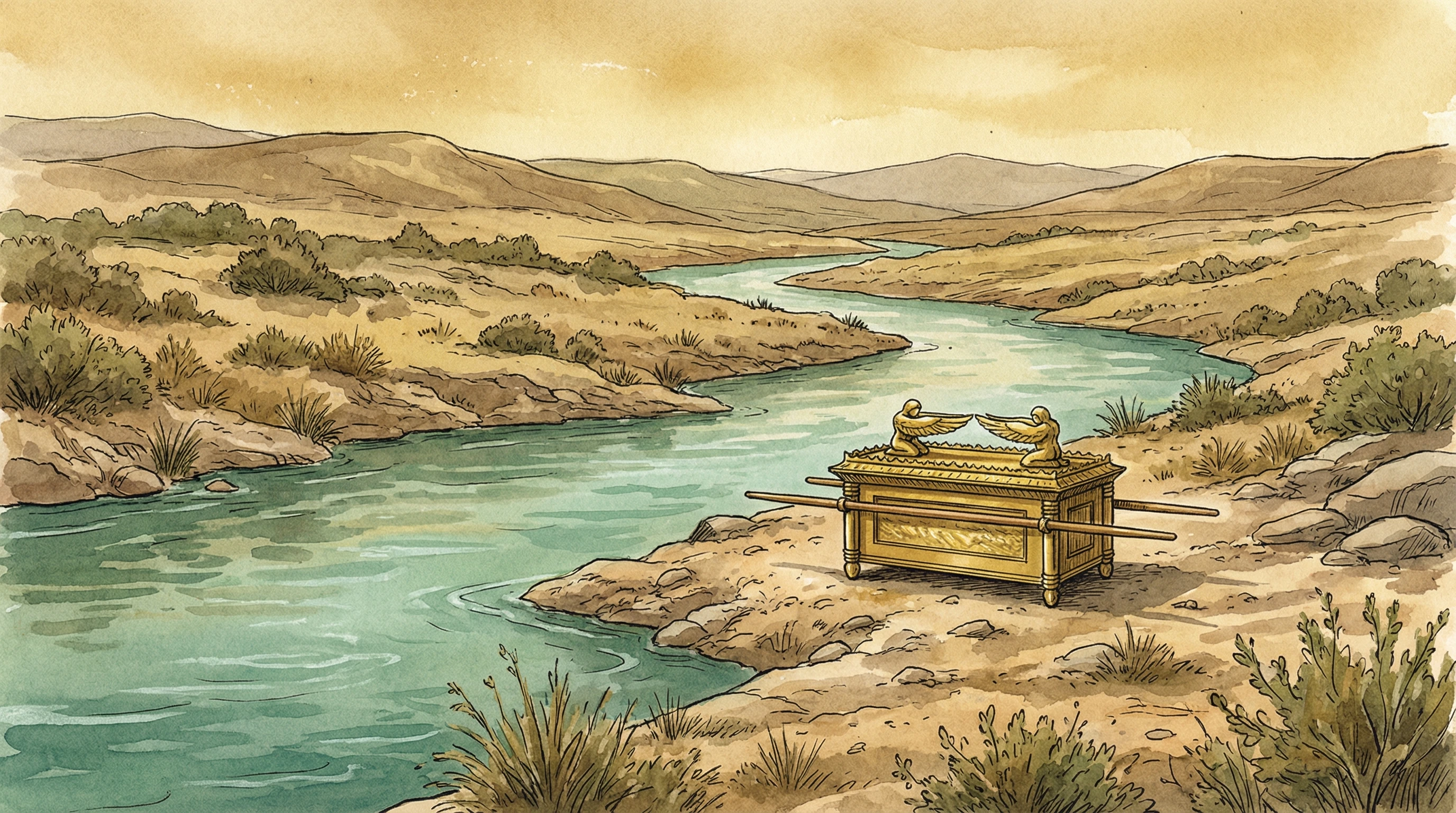
Joshua’s main way of leading was all about taking action while trusting God’s word. One of the first things he did was send spies into Jericho, showing that good leadership means getting the facts before charging ahead (Joshua 2). But when it came time for the Israelites to cross the Jordan River and take Jericho, Joshua made sure everyone knew this was God’s victory, not just a military win.
The way the walls of Jericho fell—by marching and blowing trumpets instead of launching an attack—made it crystal clear to the people that faith and obedience went hand in hand. Moments like these gave people confidence and built unity. Joshua wasn’t perfect, and there are moments like the tricky deal with the Gibeonites (Joshua 9) that show he was still learning, too. Instead of just ignoring mistakes, Joshua faced them directly and worked with his people to keep moving forward.
Guiding Israel: Challenges and Victories

Leading Israel into the Promised Land meant making new decisions every day. Joshua faced battles, divided up land, and settled disputes between tribes. What I find really important about his leadership is how he kept going back to what God said, rather than just relying on tradition or popular opinion.
For folks who had wandered in the desert for years, Joshua’s clear direction and repeated encouragement to stick with God’s commands helped keep everyone on the same page. Even when things went sideways, like at Ai where the Israelites lost the first battle due to hidden sin (Joshua 7), Joshua took time to figure out what went wrong and led the community through honest self-examination. That’s real leadership in my opinion. He always let lessons from failure push the group to do better instead of dragging everyone down.
Joshua’s Lasting Impact and What We Can Learn

Joshua’s final challenge to the people, his famous “choose this day whom you will serve” speech (Joshua 24:15), still speaks to anyone who’s ever had to make a hard call. He reminded them their decisions shaped not just their future, but the future of those coming after them. Joshua understood leadership meant serving, pointing others to higher principles instead of just making his own name known.
What’s really worth noting is how Joshua’s life reflected steady, everyday faith. Whether facing battles or dividing up land, he kept his focus on God’s promises and the good of his community. There’s a lot there for any modern leader, coach, parent, or mentor. Leading with courage and humility, and making space for people to grow, usually makes a bigger impact than anything nextlevel cool or flashy. Joshua’s legacy reminds us that making steady, small decisions with intention can leave a lasting mark.
How Does Joshua’s Leadership Connect With You?
What traits of Joshua’s leadership do you admire or try to follow?
I’d love to hear where you find inspiration in his story, or how you handle big leadership moments in your own life. Drop your thoughts in the comments and join the discussion on what good leadership can look like in action.