
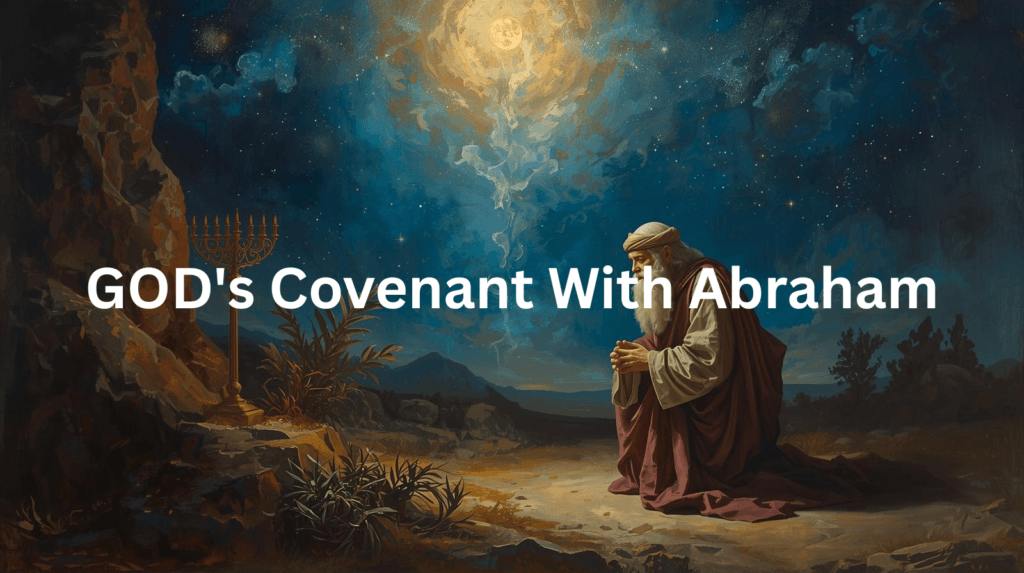
Starting with the basics, the story of God’s covenant with Abraham is found in the Book of Genesis, and it’s a major moment in the Hebrew Bible. This covenant marks the start of a long relationship between God and Abraham’s descendants. At its core, it’s about God promising land, offspring, and blessing to Abraham, with Abraham responding in faith.
Ever wondered why Abraham’s story comes up so much in both Jewish and Christian teachings?
Key Aspects of God’s Covenant With Abraham
- Biblical origin in Genesis 12, 15, and 17
- Promises of land, offspring, and blessing
- A requirement of faith and obedience from Abraham
- The covenant sign of circumcision
- Relevance to Judaism, Christianity, and Islam
- Ongoing spiritual and theological meaning for today
The Foundation: God’s Promise and Abraham’s Response
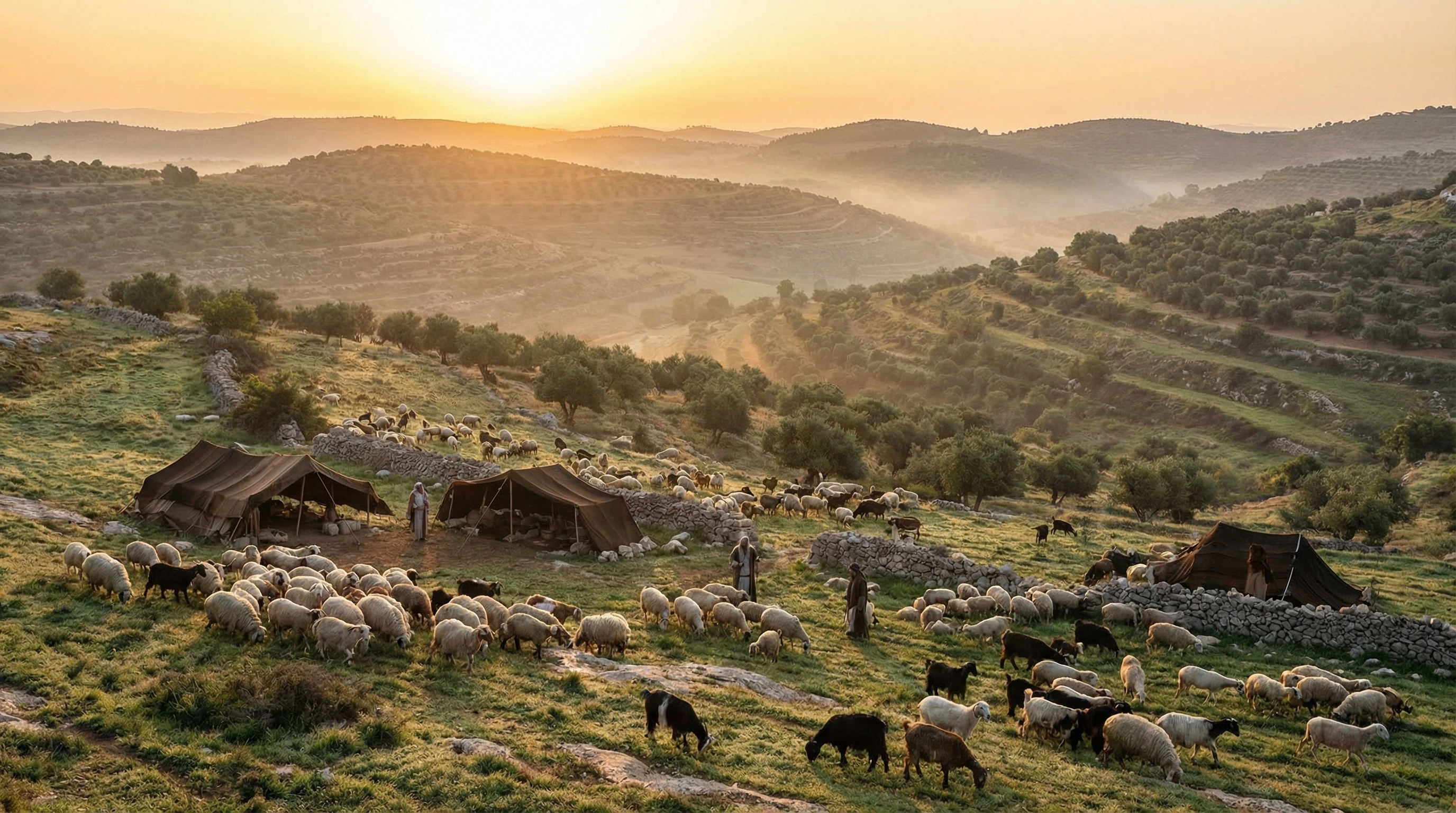
The big moment starts in Genesis 12 when God calls Abraham (still known as Abram at this point) to leave his home, promising to make him into a great nation. Abraham, already 75 years old and without children, puts his trust in God and sets out for a new land. This step of faith is a crucial turning point and shapes his story.
God’s initial promise touches on three main ideas: land (Canaan), descendants, and global blessing. Over time, in chapters 15 and 17, these promises are restated and expanded. God even tells Abraham that his descendants will be as countless as the stars in the sky. What stands out is that Abraham isn’t perfect; he has doubts and makes mistakes. Still, it’s his willingness to believe and act in faith that matters most.
The story of Abraham also reflects real life. Like Abraham, many people face seasons of uncertainty where trust and patience are tested. The way Abraham holds onto hope, even when circumstances seem impossible, shows a kind of faith that encourages believers today, regardless of culture or tradition.
The Covenant Sealed: Signs and Ceremony

One of the most interesting scenes is in Genesis 15. Here, God puts Abraham into a deep sleep and makes a formal covenant by passing between pieces of sacrificial animals. This ancient ceremony is God’s way of saying, these promises stand, no matter what. Abraham simply has to trust.
Later, in Genesis 17, God introduces circumcision as the physical sign of the covenant. Every male in Abraham’s family is supposed to be circumcised, showing their unique relationship with God. The act itself is about belonging and identity, marking Abraham’s line as distinct from others and reminding future generations of this lasting promise.
Faith, Testing, and Lasting Impact

Abraham’s story is not without challenges. The covenant faces some major tests, especially in the stories of Isaac’s birth and the call to sacrifice Isaac. Abraham’s adventure shows what real faith can look like—messy, uncertain at times, but ultimately trusting God’s promises.
This covenant isn’t just about Abraham’s family, either. God tells Abraham that through his line, “all the families of the earth will be blessed.” Christians see this as pointing toward Jesus, while Jews see it as the foundation of their identity. Muslims also honor Abraham (Ibrahim) as a prophet. So, this ancient promise stretches across faiths, cultures, and centuries, influencing countless stories and perspectives along the way.
Theological Meaning and Relevance Today

If you look closely, the covenant is really about relationship and trust. God takes the first step, but Abraham’s response shapes what happens next. These promises are both spiritual and practical, pointing to themes like faith, obedience, God’s loyalty, and the belief that blessing is meant to spread far and wide.
People today still find inspiration in Abraham’s story. Whether you’re making a major decision or waiting for results, his experience makes it clear that honest faith—even when paired with doubts—matters. In lots of ways, God’s covenant with Abraham shows how one story can ripple through time, shaping spiritual traditions and touching the lives of people in every generation.
Closing Thoughts: Why Abraham’s Covenant Still Speaks
God’s relationship with Abraham set the stage for much of what comes after in both the Bible and world history. The promise of land, people, and blessing means much more than just land or legacy. It’s about finding purpose, belonging, and hope, especially when the future feels uncertain. Abraham’s story, full of ups and downs, speaks to anyone looking for guidance in faith and perseverance.
Quick Question for You
What part of Abraham’s story stands out to you?
Feel free to share your perspective or prayers in the comments!