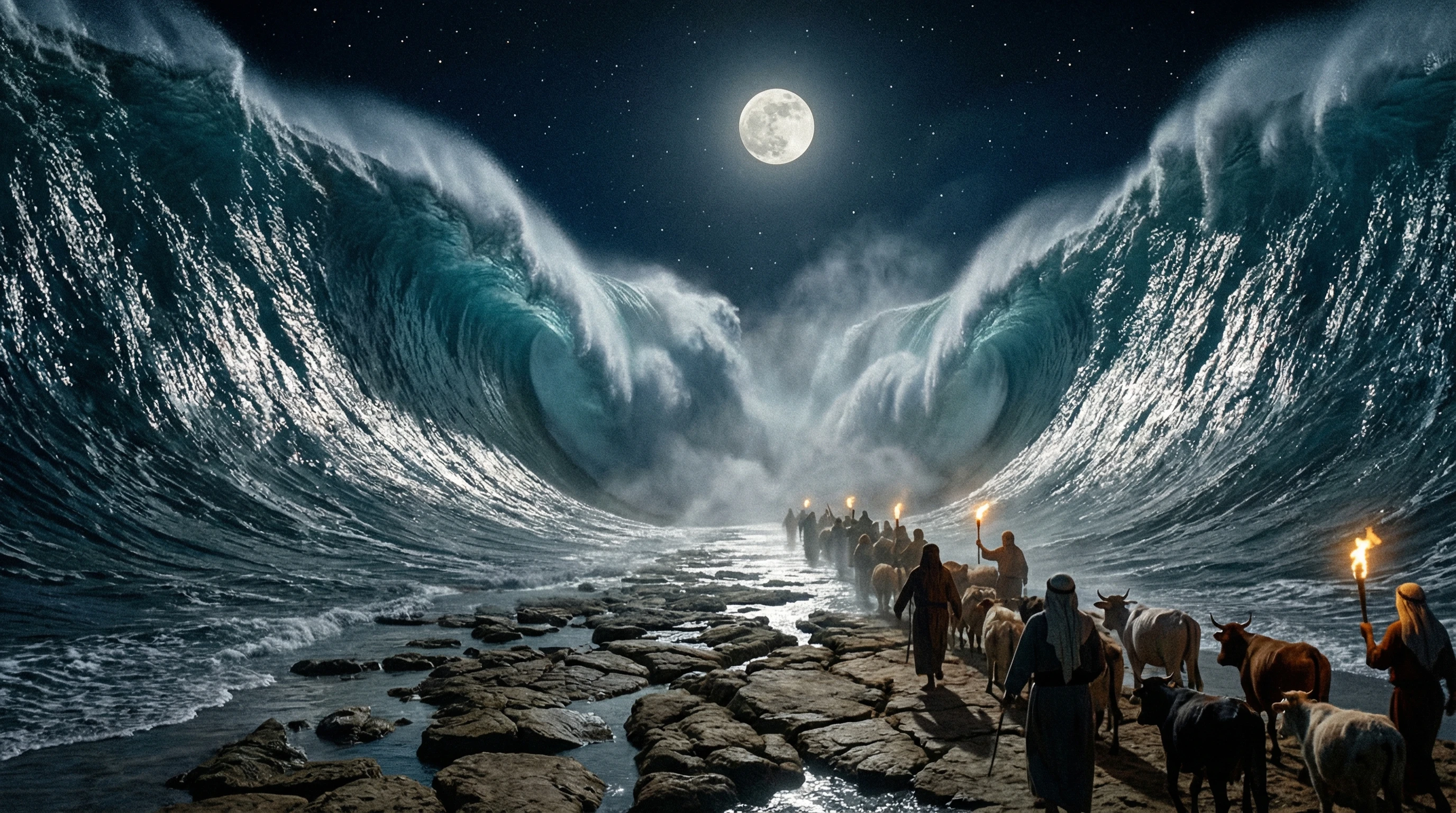
The story of crossing the Red Sea sits at the heart of the Exodus story. If you’re curious about miracles in the Old Testament, this one comes up every time. According to the account in Exodus, the Israelites were fleeing Egypt, cornered by Pharaoh’s army and blocked by waves, until the waters parted and gave them a path to escape.
Ever wondered what really happened that night by the Red Sea?
Key Facts and Insights
- Context of the Exodus: The Red Sea crossing as the bold escape from Egypt
- What the text says: God, Moses, and the parted waters
- Miracle or natural event? Faith, science, and different viewpoints
- Symbolism and spiritual impact: Freedom, trust, and new beginnings
- Lasting influence: How the Red Sea story inspires today
- Common questions: Was it really the Red Sea? Did it actually happen?
The Story in the Scriptures: Setting the Stage at the Sea
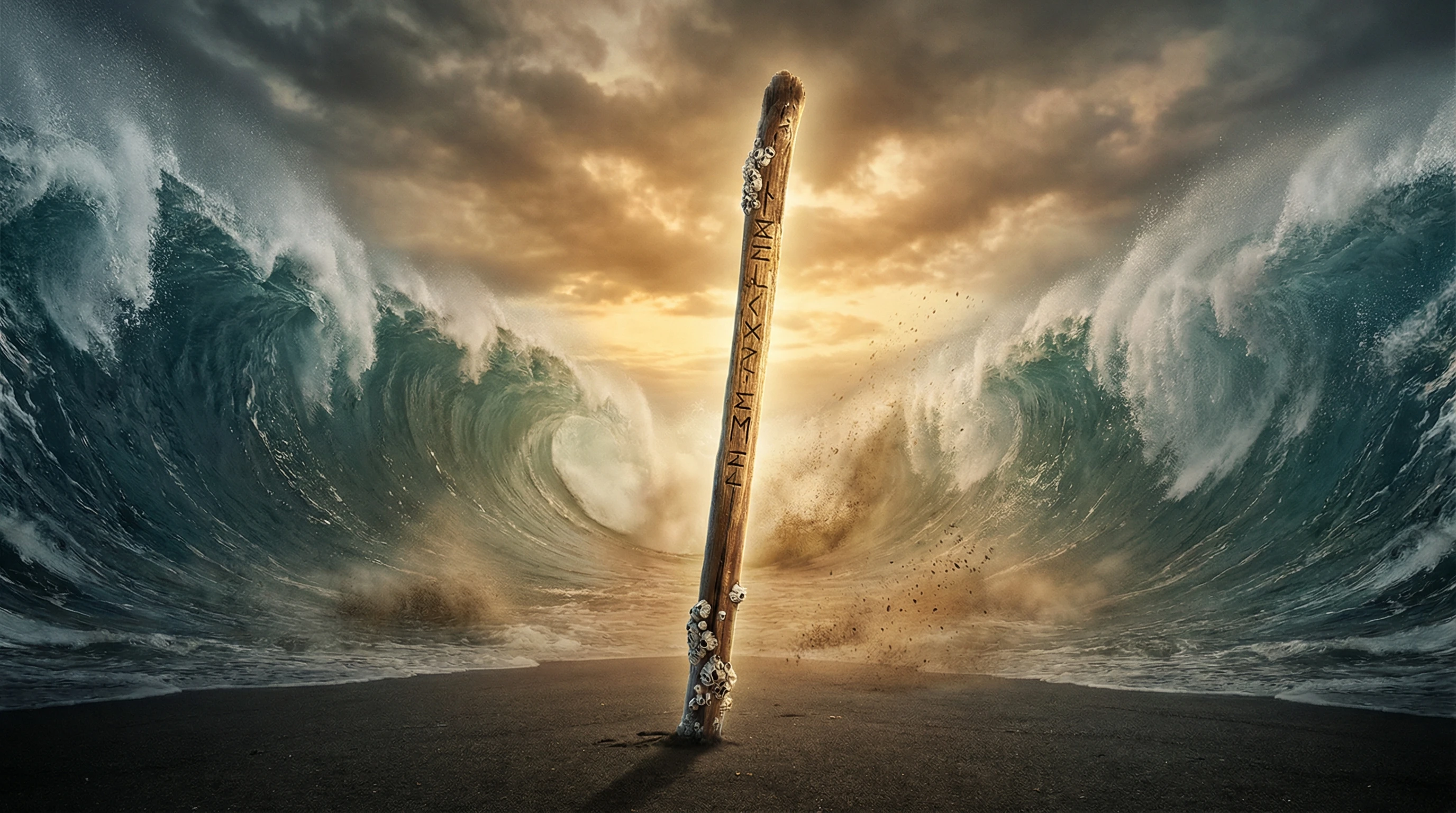
The moment kicks off with the Israelites freed from slavery, but things turn stressful quickly. Pharaoh changes his mind and sends his soldiers racing after them. With the Egyptian army behind and the sea ahead, escape looks impossible. Moses listens to God’s instructions. He stretches out his hand, and according to the biblical account, the waters split, creating a dry path for the Israelites to cross. The Egyptians follow, but the water comes crashing back, giving the Israelites complete freedom from danger.
Descriptions in Exodus say a strong wind blew all night and turned the sea into dry land. This detail gets a lot of attention; the idea that both divine intervention and natural elements played a part is something believers and curious readers alike notice.
How Do People Explain the Miracle?
For many faith traditions, this story is taken as a clear-cut miracle; a real moment where God acted in the world. Jewish and Christian teachings highlight this as a turning point that showed God’s power and care. This wasn’t just about escaping. It signaled trusting something bigger than yourself when life feels impossible.
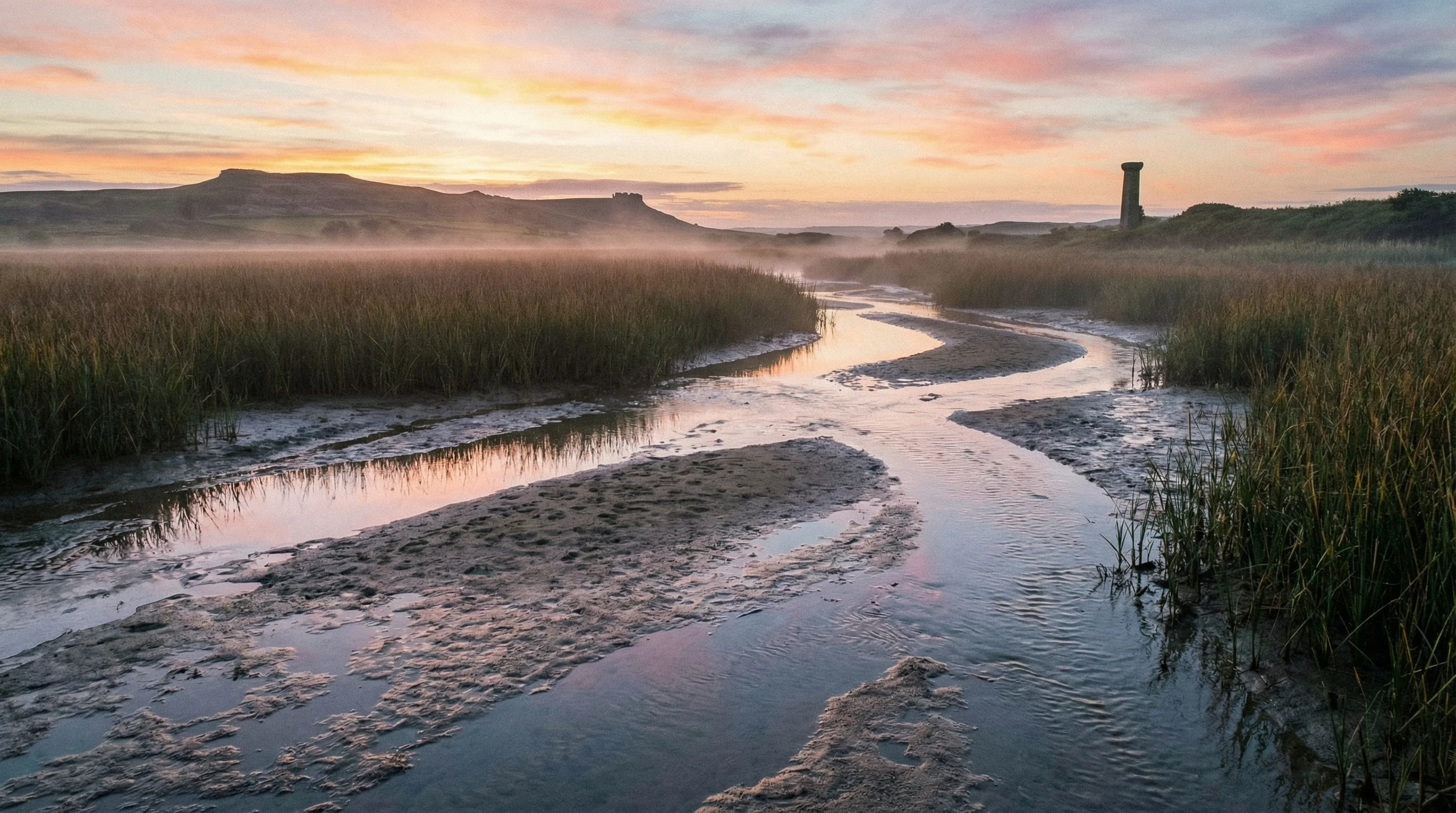
Plenty of scientists and historians have looked over the event too. Some suggest a sudden strong wind could pile water up on one side, making a temporary path – a phenomenon called wind setdown. Others wonder if it actually took place at the Reed Sea (a marshy area) instead of the deeper Red Sea we think of today. There isn’t consensus, but these theories simply show how people are drawn to try to make sense of the story.
Personally, hearing all these explanations makes the story even more compelling. Wonder comes from both faith-based and scientific takes, and every version connects us to different kinds of hope and possibility.
Also, cultural retellings keep the story alive. Painters, writers, and filmmakers reimagine the Red Sea crossing in a variety of ways, bringing new life to its themes. For example, Cecil B. DeMille’s iconic “The Ten Commandments” is just one of many movies that show this moment in next-level cool fashion. These versions keep adding layers of meaning every generation.
Symbolism: Why the Red Sea Crossing Keeps Inspiring
Crossing the Red Sea has grown into a symbol for breaking free from tough situations. Jewish traditions celebrate this event every year at Passover, retelling it as a reminder of hope, faith, and the opportunity for new beginnings. Christians also see it as a sign of spiritual freedom and trust during difficult transitions.
The symbolism isn’t limited to any one belief system. People from all backgrounds have picked up the story to talk about their own escapes from hardship, whether that means fighting through personal struggles, standing up to injustice, or just holding out hope when things get tough. Everyday phrases like “parting the sea” show how deeply this story has soaked in culturally.
Additionally, lots of motivational speakers and self-help writers use the Red Sea crossing as an example of persistence, faith, and not giving up even when it feels like you’re at a dead end. This story keeps showing up in more places than you might first think.
Debate and Curiosity: Digging Into the Details
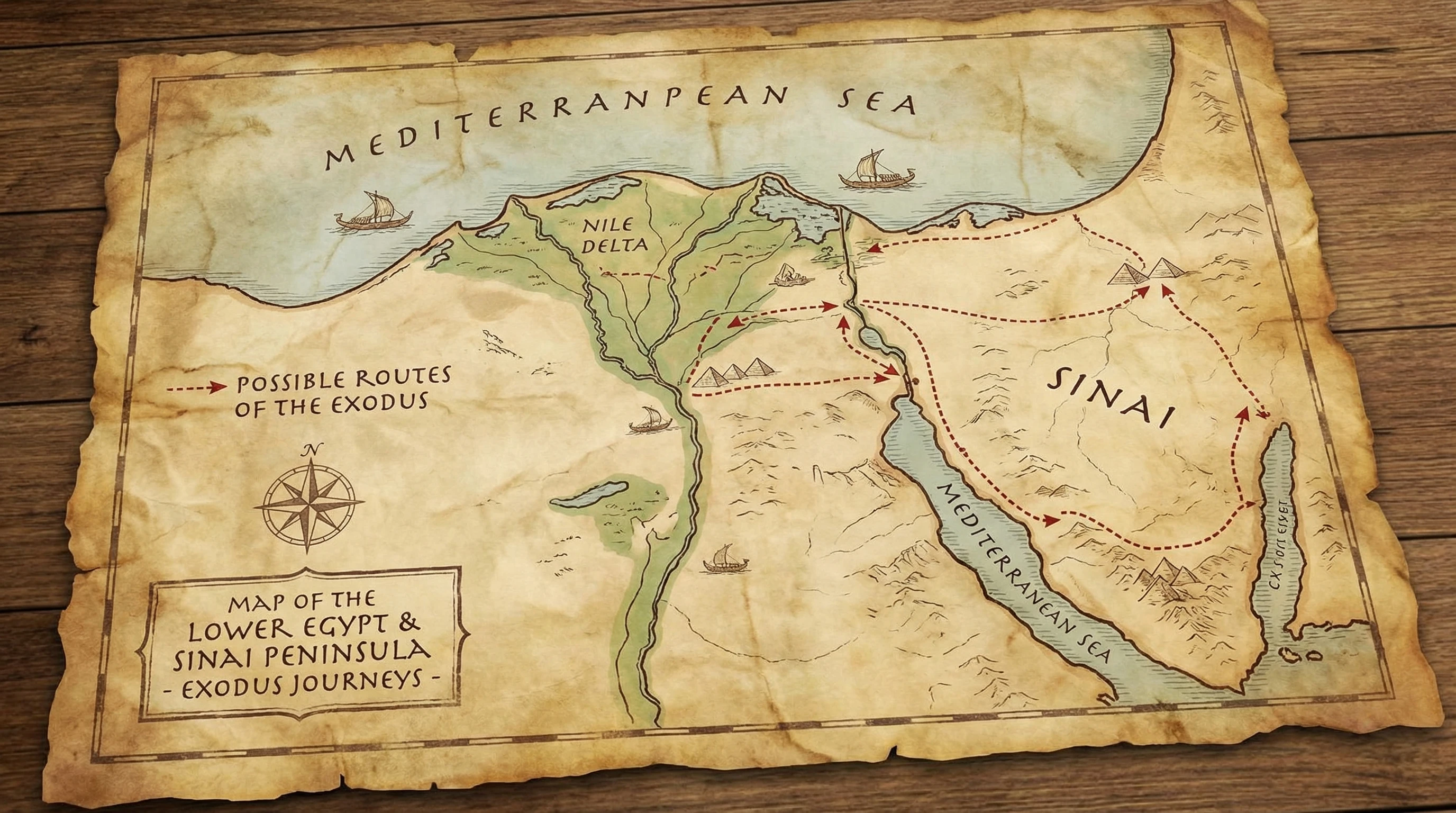
One common question is whether the Red Sea crossing actually happened as described. Archaeologists and historians are always hunting for clues about the Egyptians, the route, and where exactly the crossing might have been. Some point to Egyptian records, others pay attention to natural features along the Nile Delta. The meaning of the original Hebrew words continues to feed debate – the sea in question could have been a shallow lake or swamp instead of the deep, wide Red Sea.
What’s clear is that the story has deeply shaped how people think about freedom, courage, and faith when life gets hard. Looking at the event as history, legend, or something that’s a bit of both, doesn’t take away from its real power or meaning for anyone going through their own impossible situation.
In recent years, researchers have used computers to model possible natural phenomena that might line up with the Exodus story. Some 21st-century studies look at wind patterns, underwater ridges, and other scientific data to get closer to what conditions might have made the crossing possible—even if the miracle still requires a leap of faith. These efforts keep adding new angles, keeping the conversation fresh and alive.
What The Crossing Means for Us Now
For generations, the crossing of the Red Sea has encouraged people to move forward even when choices seem limited. It’s a story that’s still referenced in sermons, songs, works of art, and movies; it rings true for anyone hoping for a way through tough spots. Whether you see it as an actual miracle, a powerful legend, or something in between, this story gives us a lens to look at faith, risk, and the chance for new beginnings.
Even if someone approaches this story from a purely literary or cultural angle, the message–that hope and courage can find a way–remains easy to pick up on and apply to our own lives.
? Share Your Thoughts
How does the story of the Red Sea crossing resonate with you?
If you’ve got thoughts or questions, I’d love to hear about them below. How do you understand the miracle, and what does it represent in your own adventure?