
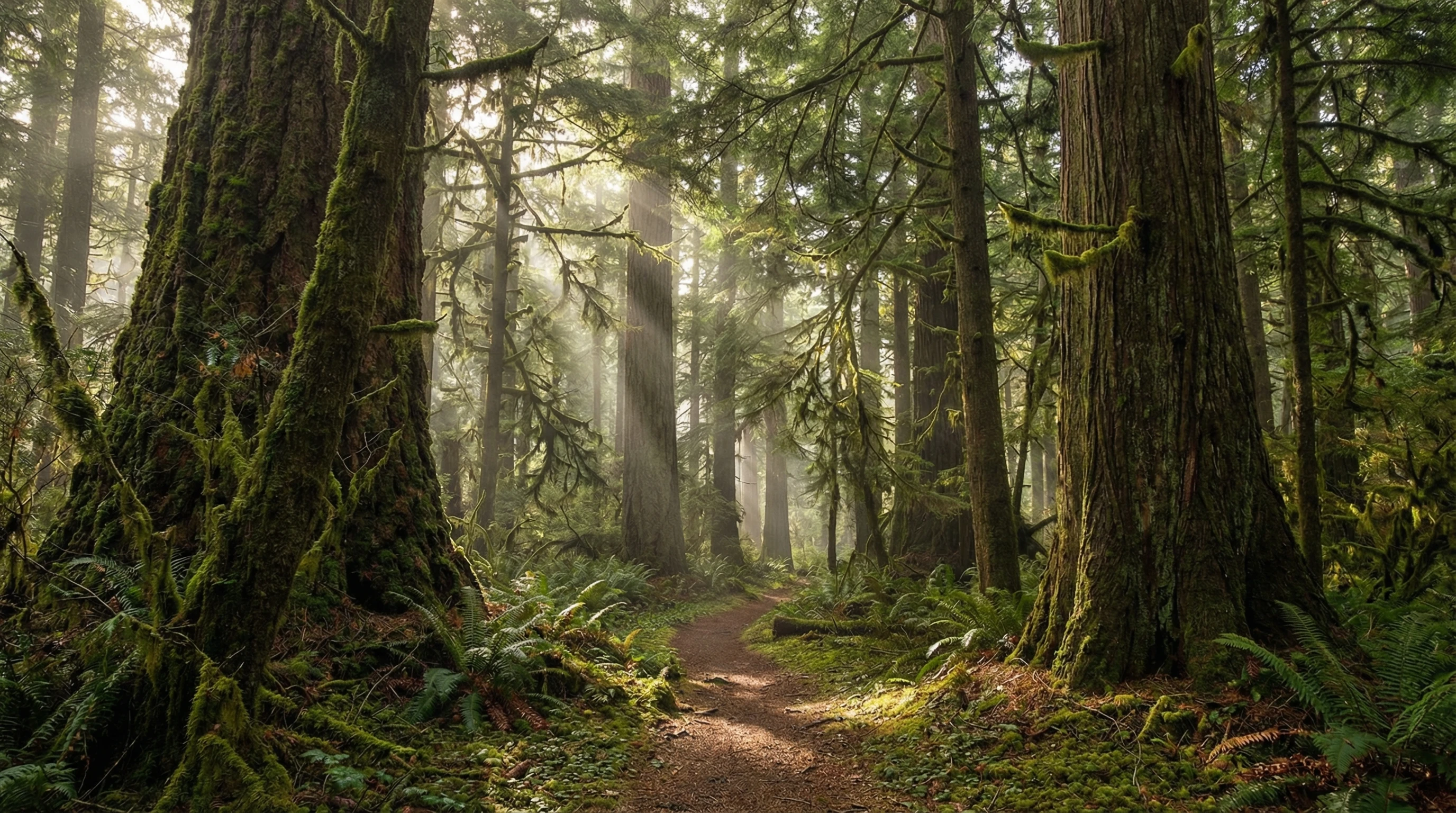
If you’ve ever thought about heading out into the wild, whether for adventure, self-discovery, or just a break from the daily grind, the first thing that hits you is how different things feel outside your comfort zone. The wilderness adventure isn’t just about surviving; it’s about adapting, facing the unexpected, and dealing with some challenges you probably never imagined. The rewards can be amazing, but the obstacles along the way are pretty real.
Have you ever stood in the middle of a forest and wondered just how people manage days or weeks out there?
Key Challenges Out in the Wilderness
- Getting truly lost is way easier than movies make it look.
- Securing food and water takes serious knowhow.
- Braving the weather can test your limits, whether it’s rain, snow, or blazing sun.
- Coping with loneliness hits hard when you’re off the grid.
- Dealing with wild animals is more stressful than most expect.
- Maintaining mental strong points becomes really important.
Finding Your Way: Making Sense of the Landscape
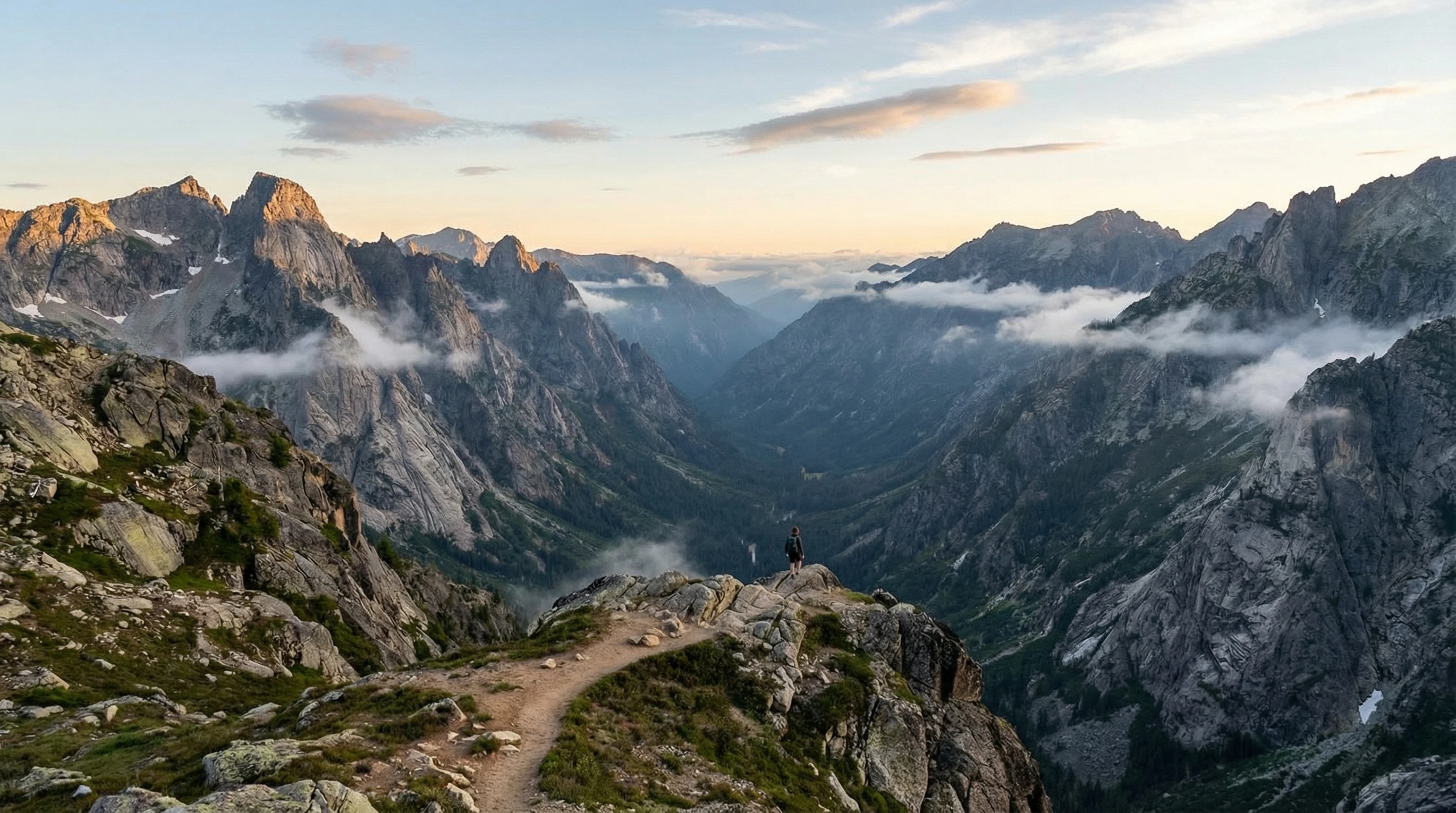
Reading a map in my living room is one thing. Wrestling with an outdated paper map in the wind, trying to make sense of twisted trails or unmarked forks, is a whole different beast. The wilderness doesn’t come with road signs or wifi, so unless you have a GPS device and the battery lasts, you’re relying on classic navigation skills. Mistakes are easy, and I’ve had my fair share of “where even am I?” moments.
Learning to use a compass, paying attention to landmarks, and even just staying calm go a long way. Trust me, panic only makes you more lost. For anyone planning serious adventures, brushing up on basic orienteering is super useful. If you ever get lost, stop moving for a bit, take a breath, and try to recall your last clear reference point. Sometimes, backtracking just a few steps can be enough to get you back on solid ground. Nature can be unpredictable, so keeping your orientation is crucial.
Food, Water, and the Struggle for Supplies
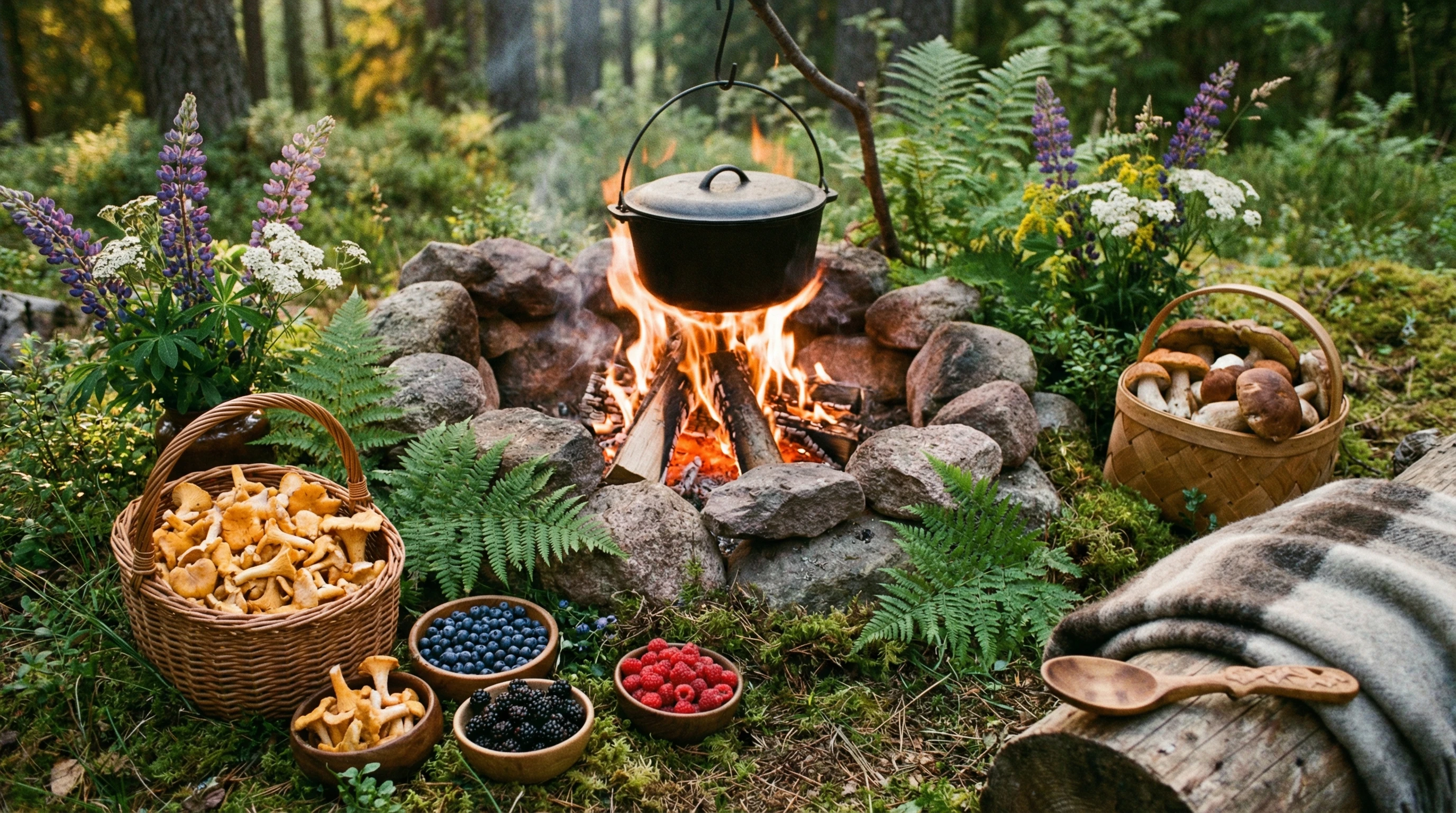
The TV shows make it look simple, but finding safe water or something edible takes more than luck. Carrying a little water at the start is fine, but it disappears fast. I always double-check where the next streams or lakes are. Even then, filtering, boiling, or using iodine tablets is just part of the routine, unless you want a date with stomach trouble.
Scrounging for food, like nuts, berries, and roots, means knowing what’s safe and what’s going to send you running for help. Going hungry in the woods is no joke, so I always pack backup snacks. Still, there’s a rush when foraging works out or you cook over a campfire under the stars. Cooking and eating outdoors helps break up the routine, and gathering your own food, even if just for one meal, gives a big confidence boost. It’s also worth learning to make a small fishing kit or simple traps—sometimes those old tricks come in handy when the snacks run out.
The Mental Side: Solitude, Stress, and Fear
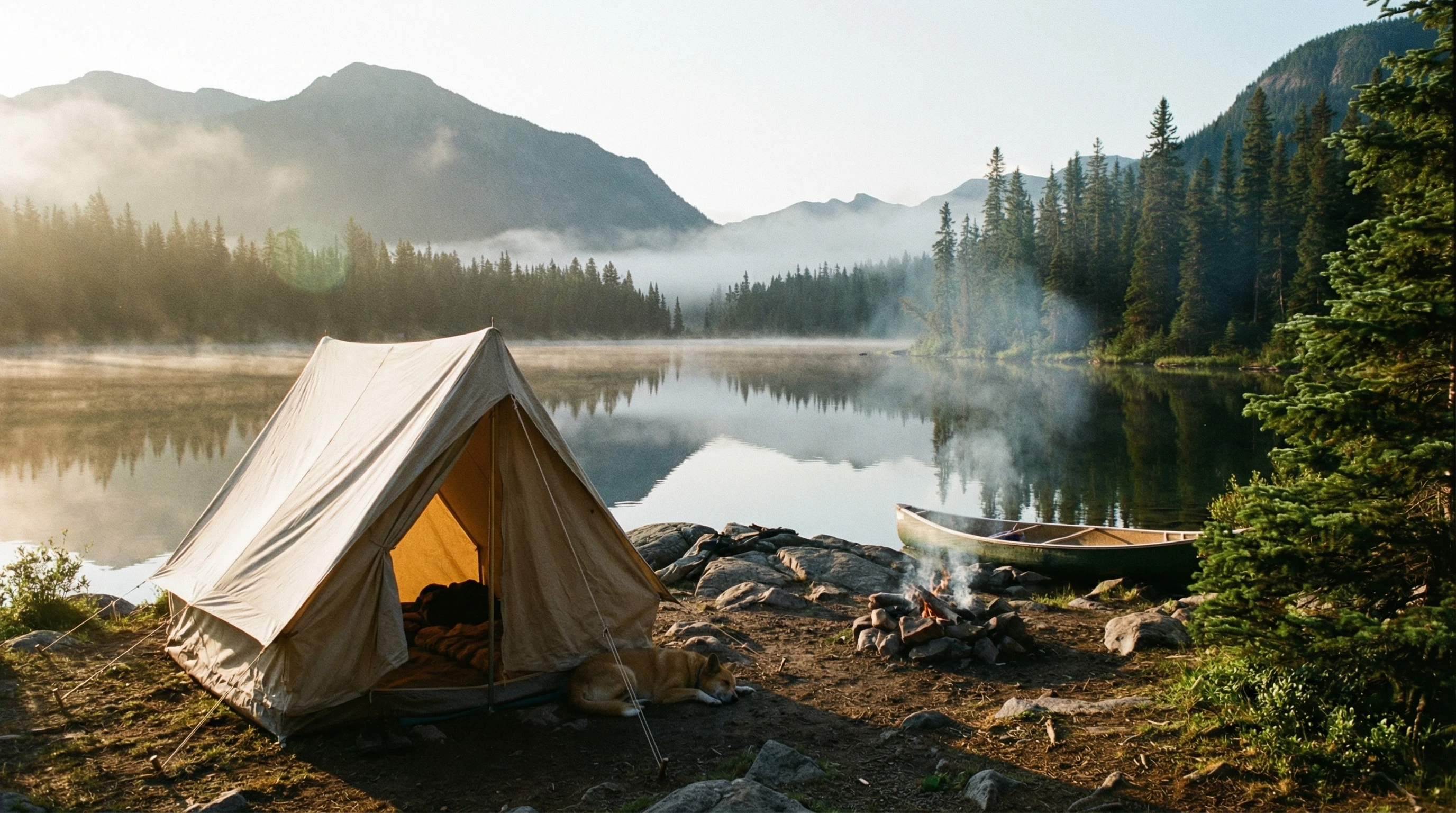
Hours or days alone in the woods do weird things to your mind. At first, the quiet feels peaceful. But after a while, the isolation, strange sounds at night, and long stretches without seeing a soul start messing with your head. I learned fast that keeping a routine, like journaling or talking out loud to myself, helps avoid that lost-in-thought spiral.
The stress factor is real, too. From sudden storms to unexpected animal encounters, things get intense quick. Facing those fears takes practice, and it’s always a learning curve. Focusing on small victories, like making a fire, finding a safe spot to rest, or just keeping calm when things go sideways, helps a lot. Setting small daily goals, such as hiking to a certain rock or making it to sunset, can help keep your spirits up and give you structure.
Nature’s Curveballs: Weather and Wildlife
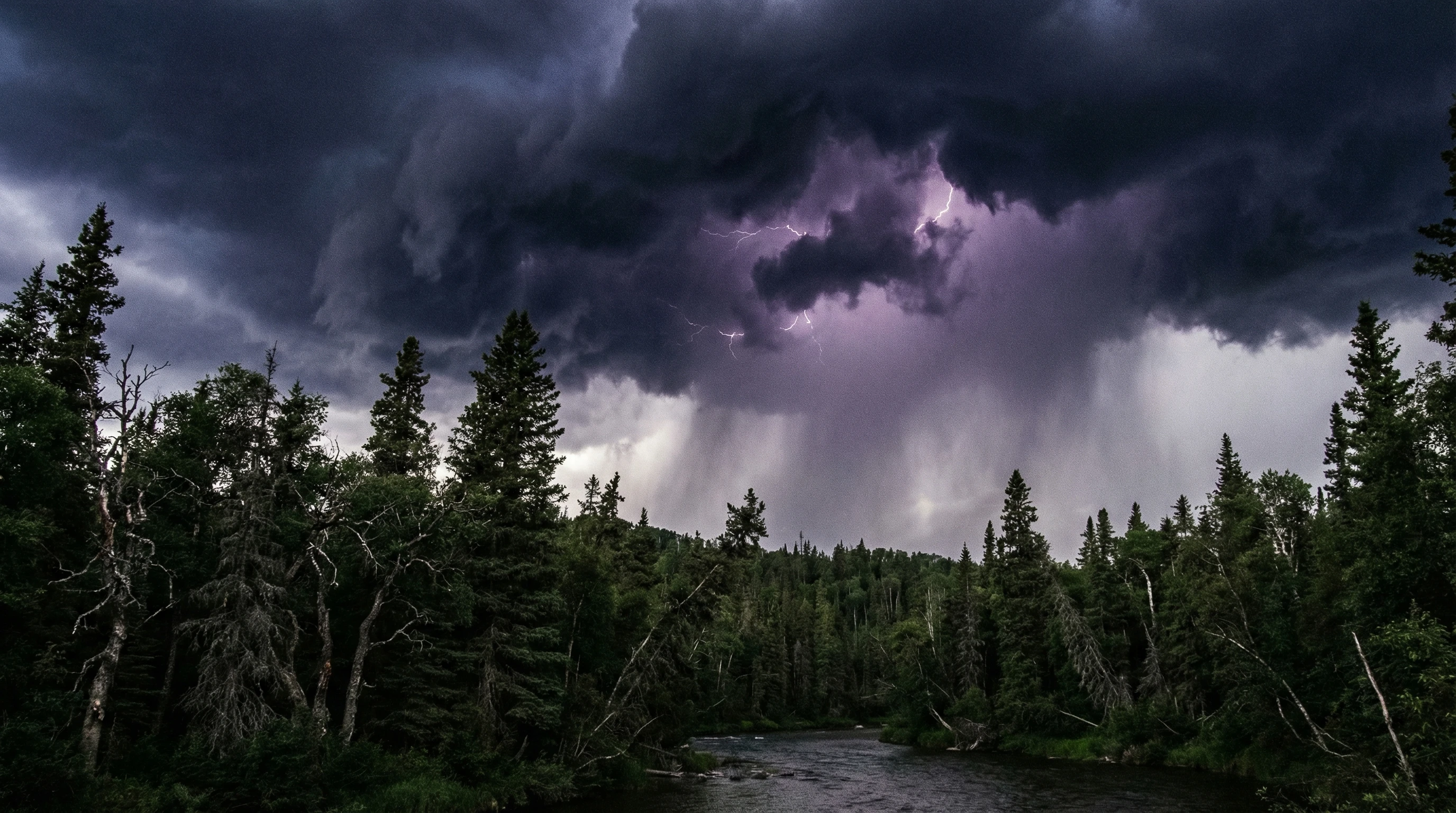
The outdoors isn’t gentle. I’ve woken up to freezing rain, sweated through afternoons hotter than my kitchen, and gone to sleep listening to branches snap in gusty wind. Knowing how to make a weatherproof shelter or layer up right becomes a top priority fast.
As for wildlife, most animals want nothing to do with you; but every hiker has a story or two: distant bear tracks, curious raccoons, or that buzz of insects that never stops. Protecting your food, staying aware, and learning about local animals are just parts of the challenge. Sometimes, wildlife provides amazing encounters, but respecting their space and not leaving food behind keeps you safer. Always check in with local guides or rangers for up-to-date tips on what creatures you might run into.
Why the Wilderness Adventure Matters
After every trip, even with blisters and bug bites, I come home with something different—a sense of accomplishment, a new respect for the wild, and a reminder that challenge is part of growth. Handling tough moments in nature shapes my attitude back home. The skills and patience I pick up out there stick with me long after the mud washes off. Plus, just soaking in the fresh air and unplugging completely is something you can’t really find anywhere else.
Share Your Wilderness Stories
Ever faced an unexpected challenge in the wild?
If you’ve been on a wilderness adventure or have a favorite story, I’d love to hear about it below. Swapping tales helps all of us get just a bit more ready for the next adventure.