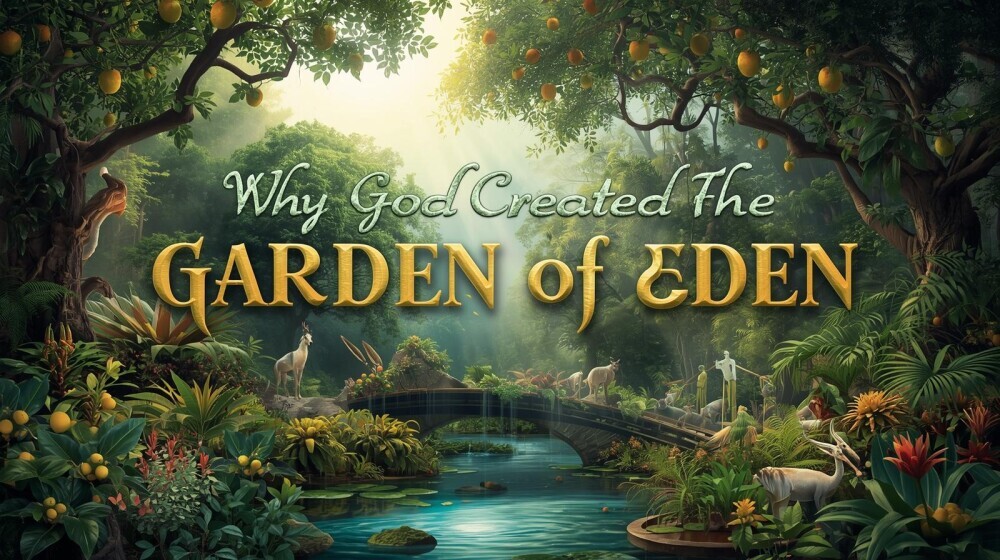
What was GOD’s divine purpose in creating the Garden of Eden, and what does this sacred place reveal about His character and intentions for humanity?
The Garden of Eden is often imagined as a breathtaking paradise overflowing with life, peace, and abundance, but its significance reaches far deeper than beauty. Eden reveals God’s desire for relationship, provision, harmony, and meaningful purpose. It wasn’t simply a location—it was a model of the life God intended for His creation, a place where humanity walked closely with God and lived in unity with the world around them.
At its heart, Eden illustrates God’s loving character—a space designed with intention and care, where humanity could flourish spiritually, emotionally, and physically. Understanding why God created Eden helps us uncover our identity, purpose, and responsibility in God’s greater story.
🌟 Takeaways
- Eden reveals God’s character as a loving Creator and Provider
- The garden modeled perfect harmony between God, humanity, and creation
- Abundance in Eden reflected God’s desire for fullness and flourishing—not struggle
- Humanity was given responsibility and purpose, not aimless existence
- The Fall teaches the weight of choices and the hope of redemption
- Eden continues to shape spiritual, moral, and cultural understanding today
- We are called to reflect God’s design through stewardship, peace, and obedience
A Place of Abundance and God’s Provision

Eden reflects God’s heart as a generous provider, creating a world where Adam and Eve lacked nothing. Every tree, plant, and resource demonstrated God’s intentional care and overflowing provision, reminding us that God always supplies what His people need.
This abundance wasn’t only about physical comfort—it represented spiritual fulfillment and gratitude. Eden shows us that true abundance flows from God’s presence, not possessions.
Reflections
- God provides everything necessary for life
- Abundance begins with gratitude and stewardship
- Provision reflects relationship, not entitlement
Sanctuary of Harmony and Peace

Eden was a model of perfect harmony, where humans, animals, and creation lived without conflict. It reflected God’s vision for unity, cooperation, and peace, showing what life looks like under His perfect order.
But this harmony goes beyond the absence of struggle—it was a state of balanced relationship. Eden reminds us that peace is God-designed, and we are called to cultivate it in our lives today.
Reflections
- Peace is intentional, not accidental
- True harmony reflects God’s original design
- We are called to nurture peace in our communities
A Place of Divine Commandments and Responsibility

Eden wasn’t a free-for-all. God placed Adam and Eve there with purpose and boundaries, teaching that freedom and responsibility must coexist. The command not to eat from the Tree of Knowledge was a test of trust, obedience, and moral maturity.
The story reminds us that choices carry consequences, and that obedience is an act of love and faithfulness—not restriction.
Reflections
- Responsibility is a gift that shapes character
- True freedom comes with accountability
- Obedience strengthens the relationship with God
The Fall: Lessons from the Loss of Eden
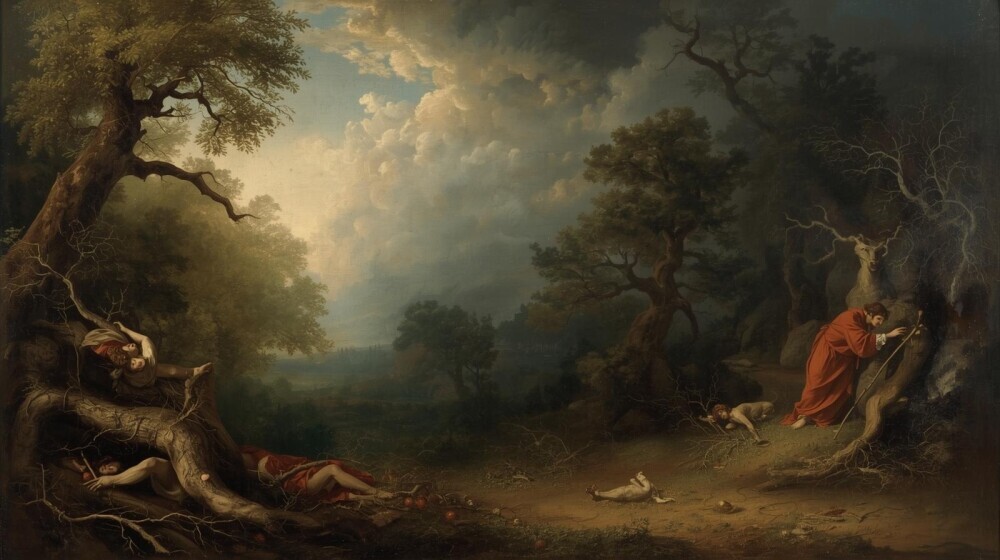
The Fall reveals the heavy impact of choices. When Adam and Eve disobeyed, they stepped outside God’s perfect design, experiencing brokenness, separation, and hardship. Yet even in judgment, God’s mercy and future redemption were already in motion.
Their loss teaches us that failure isn’t the end, but an invitation to seek restoration through God’s grace. It shows humanity’s need for a Redeemer, pointing forward to Jesus Christ.
Reflections
- Every decision shapes destiny
- Redemption follows repentance
- God’s plan continues even after failure
Conclusion
Eden remains a powerful reminder of God’s original intention for humanity—a life full of abundance, harmony, purpose, and an intimate relationship with Him. Though the garden was lost, God’s desire for connection with His creation never changed. Through Jesus Christ, the path to restoration opens again, offering hope beyond what was broken.
As we carry the lessons of Eden into our modern lives, may we:
- Seek God’s presence above all else
- Protect peace and cultivate stewardship
- Walk faithfully in obedience, guided by His love
What if restoring a piece of Eden begins with the choices you make today?
Let us walk with God, build harmony where we stand, and reflect His glory in everything we do.