
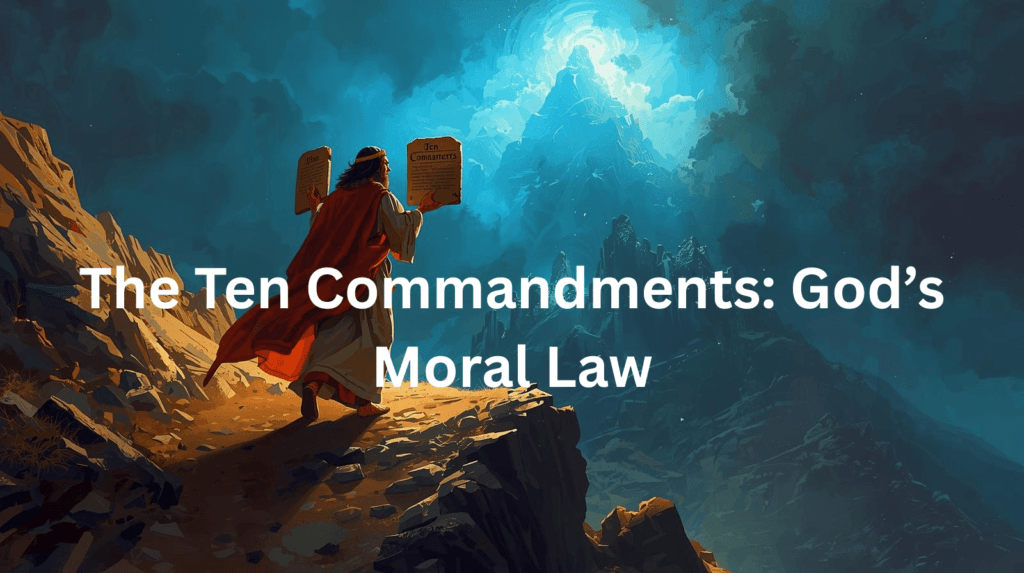
The Ten Commandments are at the center of God’s moral law, giving people a practical guide for living with both respect and purpose. Found in the books of Exodus and Deuteronomy, these ancient words lay the groundwork for a way of life based on love, justice, and reverence for God. Even in today’s fast-paced world, I find their clear and direct approach refreshing when I’m looking for a solid foundation, especially in moments when life feels scattered.
Ever wondered why so many societies go back to these same commandments again and again?
Key Concepts
- The historical roots of the Ten Commandments
- The Commandments as a shared moral code across cultures
- Spiritual meaning behind each commandment
- Practical effects on daily life, law, and relationships
- The link between God’s nature and His moral expectations
- Modern perspectives and ongoing relevance
The Historical Setting: Where the Commandments Came From

Back in ancient Israel, the Ten Commandments were much more than just a checklist; they were a game changer for anyone curious about what God actually expects. According to the Bible, God gave these commandments to Moses on Mount Sinai, right in the middle of a dramatic escape from Egypt. This moment set a fresh standard for living—not just for a select group but for anyone seeking wisdom that feels above everyday opinions and temporary fads.
On those stone tablets, things were spelled out clearly. There were basic, practical guides like honoring your parents, keeping your word, and not taking what isn’t yours. These rules cut through distractions and complications that society often adds. To me, that’s a big reason they’ve lasted through centuries and still feel just as important now.
The Meaning Behind Each Commandment

Each commandment is straightforward on the surface, but when you take some time to reflect, deeper layers start to show. Here’s my take on each one:
- Put God first – Every relationship and priority flows from recognizing there’s something bigger than yourself.
- No idols – Genuine worship shapes character, not just rituals or objects.
- Respect God’s name – How you talk about God reveals your own respect and sense of humility.
- Honor the Sabbath – Rhythms and rest matter. It’s about slowing down, recharging, and making space for reflection.
- Honor parents – Family ties and respect provide the foundation for stable communities.
- No murder – Human dignity is not up for debate, ever.
- No adultery – Faithfulness matters, and trust gives real strength to relationships.
- No stealing – Actions impact others; respect and fairness go a long way.
- No false witness – Telling the truth builds up trust and community.
- No coveting – Gratitude and contentment help you avoid the trap of jealousy.
While each commandment might sound simple, living them out genuinely adds a whole layer of meaning to life. They aren’t just for big, dramatic decisions either—they provide a useful framework for the little choices you make every day.
The Ten Commandments and Everyday Life

Even though these commandments were first spoken thousands of years ago, their influence is everywhere. Legal systems, ethical guidelines, and typical advice from parents to kids often echo these core ten principles. When I try to live by them, I notice life gets simpler and more fulfilling. It doesn’t mean the path is easy, but it feels honest and rewarding.
When you honor boundaries, tell the truth, and think beyond your own benefit, it creates ripples of respect and stability. Even in situations where people disagree, having these shared rules gives everyone a base to work from. I’ve noticed that groups and communities are more likely to trust each other if these values are in play, regardless of background.
Modern Relevance: Why the Ten Commandments Still Matter

People might see the Ten Commandments as an old set of rules, but the truth is today’s challenges still call for this kind of solid advice. Honesty, respect, and balance matter as much online and at work as they ever did in villages or ancient cities. Following these commandments helps keep things in perspective, regardless of how much the world around us might change. The longing for respect—toward God and each other—has been a constant thread through history, and it keeps popping up in our relationships, communities, and debates about what’s right.
By coming back to these ten basic values, we build a strong structure for handling conflict, temptation, and even our daily stresses. Whether or not you see yourself as religious, these principles give a reliable foundation and invite everyone to bring more care and intentionality to how they live.
Wrapping Up: Living Out God’s Moral Law
At its core, the Ten Commandments are about more than just rules; they’re about relationships—with God and the people around you. They let you see the bigger picture and help keep your daily choices focused on what matters. By returning to these lasting basics, I find practical guidance that’s grounding, authentic, and a steady way to reset your moral compass if things feel off course.
What About You?
How do the Ten Commandments guide your choices and mindset?
Would love to hear your experiences. Feel free to share your thoughts and stories below; everyone’s perspective brings something valuable to the conversation about living with purpose and integrity today.