
What if one decision could change everything – shifting life from innocence and trust to complexity and responsibility? Would you still make the choice?
The Tree of Knowledge of Good and Evil stands right in the middle of the Garden of Eden story. It’s not just a tree with forbidden fruit; it’s a symbol packed with meaning about wisdom, curiosity, and human responsibility. If you’ve ever wondered how a tree in an ancient story could still speak to us, you’re not alone. It sparks questions about where knowledge comes from, what it costs, and how our choices shape our lives.
Reading about the Tree of Knowledge isn’t just about decoding one old tale. It’s about checking out why certain boundaries exist, what free will really looks like, and how the search for understanding can be both inspiring and risky. This symbol invites everyone to think about learning, temptation, and what it means to be human.
Main Takeaways about the Tree of Knowledge
- The Tree of Knowledge represents the balance between innocence and wisdom
- Eating from the tree symbolizes the change from trust to independence
- Curiosity opens new horizons but brings responsibility
- The tree is a reminder of boundaries and consequences
- Knowledge changes the way we relate to ourselves, others, and the divine
- The symbol challenges us to consider how we use or seek knowledge today
What the Tree Stands For: Symbolism and Deeper Meaning

The Tree of Knowledge isn’t just about breaking a rule. In lots of traditions, it’s seen as the moment when innocence gives way to experience. By eating the fruit, Adam and Eve move from a place of pure trust to a new awareness where they start naming right and wrong for themselves.
This change is really important because it’s where free will takes center stage. The tree makes it clear that humans have choices, and those choices shape everything that comes next. It also hints at the weight that comes with stumbling upon new things. Knowledge can bring incredible growth, but it can also bring a sense of loss or vulnerability, because you can’t go back to not knowing.
Reflections
- Knowledge can lead to wisdom or pride; it depends on how it’s used
- Seeking understanding is powerful, but it brings new challenges
- Boundaries can protect us, not just limit us
How Knowledge Changes Everything. From Trust to Choice

Before eating the fruit, Adam and Eve lived in simple trust. Everything is provided, and life flows without shame or fear. The tree stands as a line they’ve been trusted not to cross. When they do eat, things change dramatically. Their eyes are opened, they become self-aware, and everything feels different.
It’s not just about punishment. This moment brightens up the adventure from childlike trust to adult responsibility. Knowledge is now in their hands, and so are all the decisions and consequences that come with it. The story points out that true understanding isn’t always comfortable. It changes the way people see themselves and interact with the world.
Reflections
- Choice and knowledge go hand in hand
- Taking responsibility for actions is a huge part of growing up
- Awareness can bring both freedom and anxiety
The Tree’s Modern Lessons. Why It Still Matters
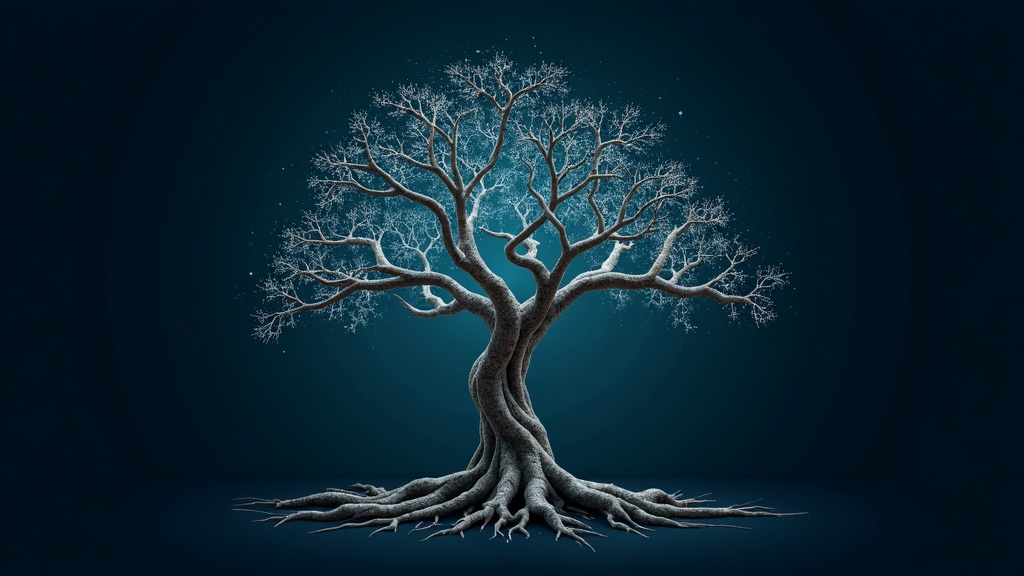
The Tree of Knowledge keeps showing up in books, art, and even movies because its message never really gets old. In daily life, people face new chances to learn and grow, and those experiences often come with decisions about what’s helpful, what’s risky, and what lines shouldn’t be crossed. This age-old symbol has become even more popular as we jump into the information age, where curiosity is constant, and boundaries are sometimes blurry.
Today, the story still challenges everyone to think about how and why they seek knowledge. Having access to endless information sounds great, but it also means figuring out how to use it well. There’s a real need for wisdom, not just facts, and a reminder that more knowledge means more responsibility toward others and the world. As we think through what it means to learn in a tech-filled world, the old story is a warning and an invitation to keep curiosity in check with thoughtfulness.
Reflections
- Learning is a lifelong process shaped by choices
- Wisdom means respecting limits and thinking things through
- Curiosity is great, but it comes with responsibilities
Living with Knowledge. Moving Forward with Care
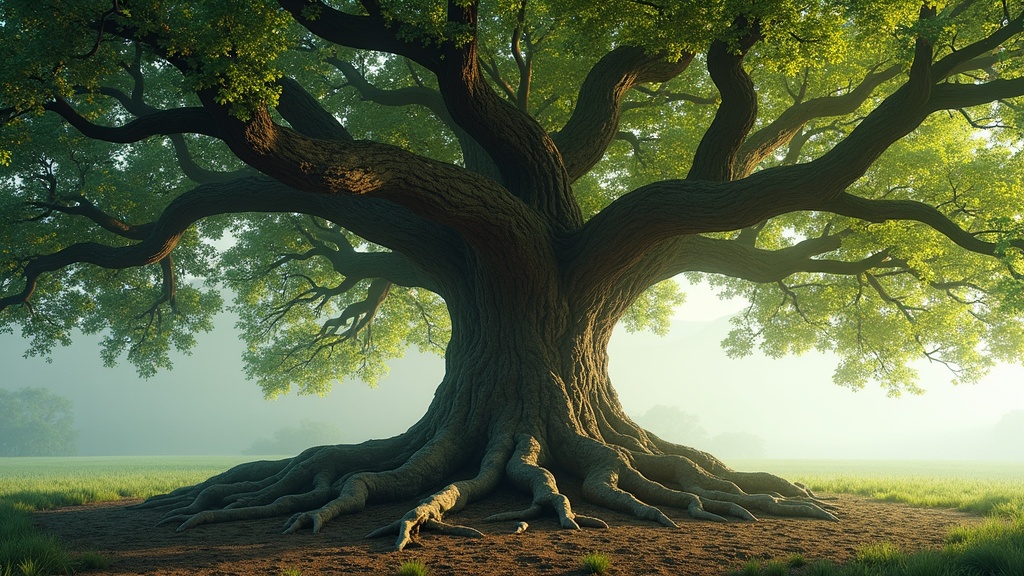
The story of the Tree of Knowledge isn’t about ignoring questions or staying in the dark. It’s about recognizing that understanding is powerful, and using it with care can help people grow, connect, and live thoughtfully. Boundaries exist for a reason, but stepping into new knowledge with respect can open up amazing possibilities. As we make our way through life, it’s good to remember the lessons from the Garden: learning is a gift, but it matters how people use that gift.
- Appreciate the opportunities that learning brings
- Weigh the impact of pursuing new knowledge
- Balance curiosity with wisdom and responsibility
Conclusion
The Tree of Knowledge stands as a powerful symbol of humanity’s journey from innocence to responsibility, from dependence to free will. It reveals a God who values relationship—not forced obedience—and who invites us to live wisely, guided by truth. Though the Fall brought loss, God’s plan of redemption through Jesus Christ restored hope, offering a way back to relationship and spiritual renewal.
May we be people who:
- Seek wisdom, not just information
- Honor God’s boundaries as protection, not limitation
- Use knowledge to build, heal, and guide
Where do you see the need for wisdom over knowledge in your own life today—and what step can you take to pursue it?
Share your reflections below