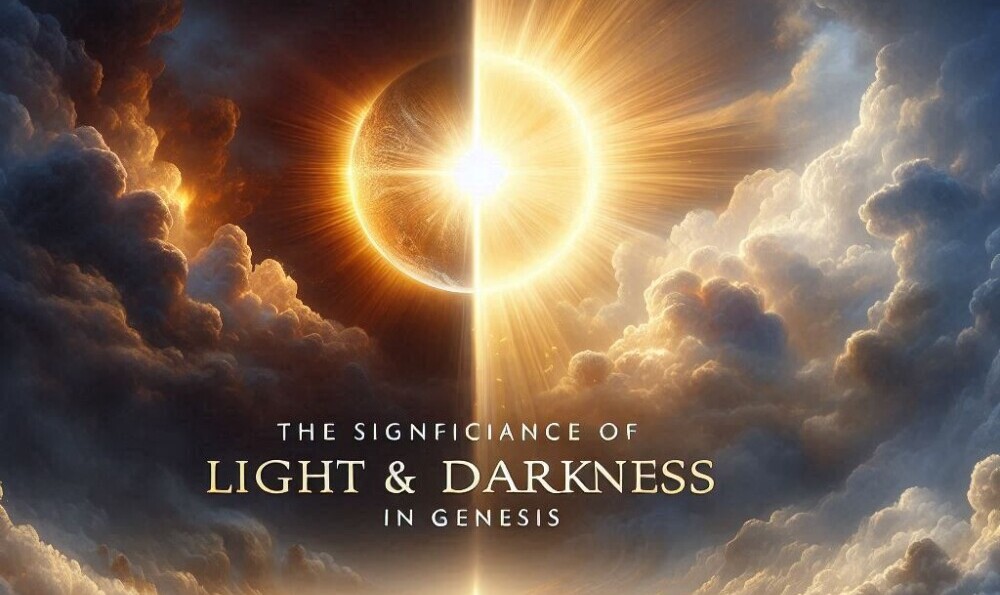
Genesis wastes no time jumping into the deep end with light and darkness on the first day of creation. Ever wondered why light was the first thing brought into being? It’s the beginning of order. The universe starts to take shape when light enters the darkness and void, shaking off the chaos associated with darkness. It serves as a precursor to everything else that follows, setting a stage where life and reality as we know it could unfold.
Why do you think the very first words spoken in the Bible were “Let there be light” – and what does that reveal about God’s purpose for creation and humanity?
Light and darkness aren’t just physical states in Genesis. They’re packed with symbolism. Light’s often seen as embodying divine order, purity, and even the presence of God. On the flip side, darkness tends to be linked with chaos, void, and the unknown. This isn’t your regular night versus day situation; it’s about establishing contrasts that echo throughout human experiences and theological teachings.
Throughout Genesis, the interplay between light and darkness isn’t just a one-off event. It resonates through the chapters, laying the groundwork for a recurring theme that pops up again and again. This dualism reflects many real-life scenarios where clarity and obscurity battle for our attention and understanding, making Genesis a timeless saga of balance and duality.
Core Insights:
- Genesis introduces light and darkness on the first day, establishing order from chaos.
- Light symbolizes God’s presence, truth, knowledge, and divine order.
- Darkness represents chaos, the unknown, and separation from God’s guidance.
- Separating light from darkness forms the foundation for time, seasons, rhythm, and structure.
- Light and darkness serve as metaphors that continue throughout Scripture and human history.
- The duality reflects the ongoing struggle between clarity and confusion, good and evil, morality and immorality.
- The symbolism is still relevant today in spiritual growth, life decisions, and cultural perspectives.
Creation Narratives: Separating Light from Darkness

“Let there be light” were the iconic words setting the stage for the Genesis creation story. But what’s the deeper meaning here? This isn’t just about creating a physical illumination. It signifies the dawn of understanding, bringing clarity and distinction to what was once blurred and indistinct.
This moment also introduces the concept of time and rhythm to creation. By separating light from darkness, Genesis talks about more than just day and night. It’s about defining the flow of time, seasons, and cycles—creating a cosmos that’s orderly and predictable. The separation establishes a framework of stability that becomes essential for life.
Darkness serves as the canvas that gives light its shine. Without darkness, the significance of light would fade into the mundane. The contrast actually heightens the drama of creation; light not only stands out but becomes crucial in setting the universe’s stage for life, growth, and progression. In this sense, darkness isn’t just a void—it’s a vital character in the story playing against the light.
Theological Insights: Light as Knowledge and Truth

Light in Genesis isn’t just about visibility. It’s also linked with knowledge and enlightenment. Light is often seen as a divine gift, illustrating clarity and wisdom flowing directly from God’s essence.
The symbolism of light as a pathway to truth weaves through many religious teachings, with Genesis laying the groundwork. This divine light becomes a guide for moral decisions, helping distinguish right from wrong, truth from deception.
In Genesis, light is more than a mere physical phenomenon. It serves as a metaphor for truth, encouraging humanity to seek understanding and wisdom. This connection elevates the theme of light, urging individuals to pursue not just knowledge, but ethical insights as well.
The biblical theme of light aligns closely with morality. It reminds us that living in the light often means embracing honesty, integrity, and righteousness. Seeking light becomes a journey towards a more profound truth and understanding in faith.
Darkness in Genesis: Beyond the Absence of Light

Darkness in Genesis isn’t just the absence of light, it’s a concept loaded with implications. It often symbolizes ignorance or sin, standing as a contrast to the divine wisdom that light brings. The canvas of darkness isn’t just about physical reality; it’s about the spiritual and moral realms too.
Throughout the Bible, darkness often takes on a metaphorical role, representing moments when humanity steps away from divine guidance. In Genesis, this symbol grows into a powerful metaphor, highlighting the dangers of living without enlightenment or understanding.
The instances where darkness appears in the biblical texts often emphasize humanity’s need for light. Darkness isn’t merely a backdrop. It serves as a reminder of the inner turmoil that can arise when one strays from ethical and spiritual paths.
Consider how darkness sets the stage for the necessity of light, urging individuals to strive towards a higher understanding and spiritual clarity. It’s a powerful motivator, a call to seek the light within ourselves and our communities.
The Eternal Conflict: Lessons from Light and Darkness in Genesis

The dance between light and darkness in Genesis carries some timeless lessons. This struggle represents moral and existential challenges, reflecting humanity’s constant quest for balance between clarity and confusion, morality and immorality.
In today’s world, interpretations of this Genesis theme still resonate. Many find comfort and guidance in the message that light, or clarity, truth, and understanding, eventually triumphs over darkness. It’ll guide us through personal and societal dilemmas.
Exploring these themes provides valuable insights into how we navigate our lives amidst chaos and order. They remind us of the power of seeking light, not just in a literal sense, but as a journey towards deeper understanding and ethical living.
These powerful symbols continue to hold a place in modern spiritual discourse. The lessons from Genesis urge individuals to embrace light as a principle, encouraging truth-seeking behavior and a commitment to personal and communal growth.
Recognizing the continuous impact of this Genesis narrative, we find relevance even now, in our quest to overcome ignorance with knowledge, despair with hope, and darkness with the guiding light of truth.
Conclusion
The theme of light and darkness in Genesis is a powerful reminder of the sovereignty and intentional design of God Almighty, who spoke light into existence to overcome chaos and establish order, purpose, and hope. From the very first chapter of Scripture, God reveals that light is more than illumination — it is His character, His truth, and His presence moving into places of confusion and fear. Darkness may symbolize uncertainty, struggle, and separation from God, but the message of Genesis assures us that God’s light always prevails. As we reflect on this contrast, we are invited to choose the path of truth, righteousness, and spiritual clarity, trusting that God’s light continues to guide us, strengthen us, and transform us even today.
How have you seen God’s light break through darkness in your life, and what does this passage in Genesis inspire you to reflect on today?
Share your thoughts below — your story may bring light to someone else.