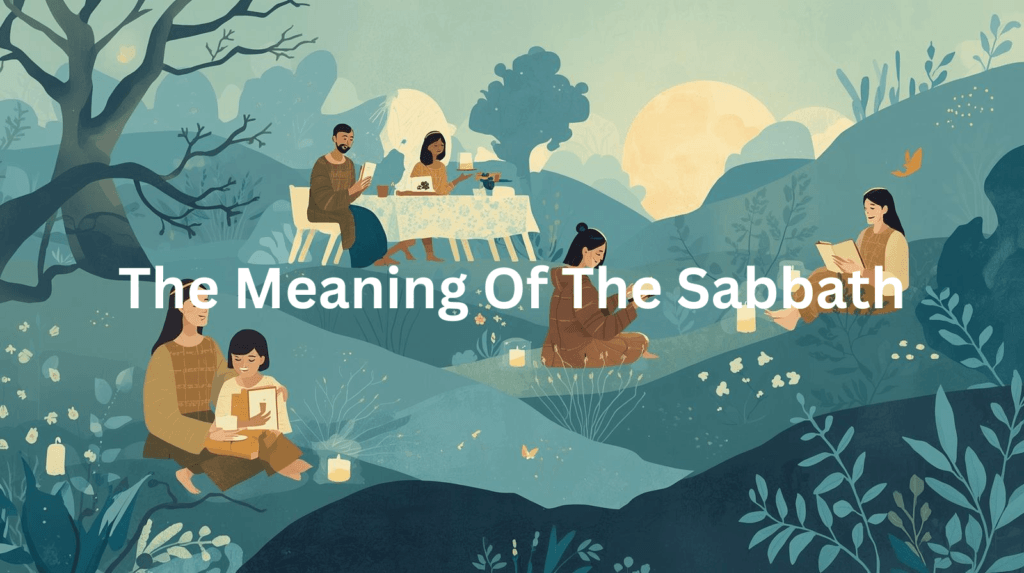
No better place to kick things off than with the basics. The Sabbath, traditionally observed from Friday evening to Saturday evening, is all about rest, reflection, and reconnecting with spiritual roots. Its origins can be traced back to the earliest chapters of the Old Testament, where God blessed the seventh day and made it holy after creation.
Have you ever wondered why GOD created the Sabbath?
🔑 Main Points
- The biblical origin of the Sabbath in creation
- The Sabbath as a divine commandment and covenant sign
- The spiritual purpose of rest, renewal, and worship
- The Sabbath as a reflection of God’s divine order
- Modern and historical Sabbath observance
- The Sabbath’s role in community, unity, and global culture
Theological Foundations: The Divine Purpose of the Sabbath
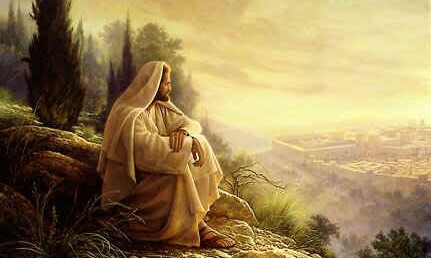
In ancient Israel, the Sabbath was more than just a day off; it was a divine commandment. We’re talking a no-excuses, absolute day of rest, set down in stone — quite literally on stone tablets. It served as a weekly pause button amidst the hustle and bustle of life. Everybody, from kings to common folk, took part.
Diving into the sacred texts, the Sabbath isn’t just a day off; it’s something deeper, designed to align humans with a divine rhythm. On the seventh day, God rested, not because He needed it, but to set an example for humanity. This act wove rest into the fabric of life itself.
The Sabbath also holds a special place in the covenant between God and His people. More than a legal rule, it is a symbol of faith, trust, and commitment, reminding believers that life is meant to include both work and sacred rest.
Spiritual Significance: The Sabbath as a Reflection of Divine Order
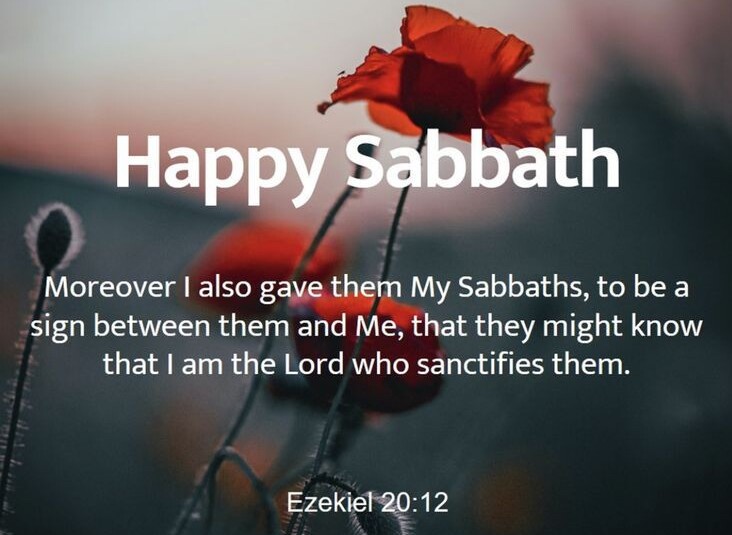
Peeling back the layers of the Sabbath reveals its spiritual depth. It is not meant to burden believers with rules, but to invite them into a holy rhythm of balance. The Sabbath reflects God’s intention that life should include purposeful pauses, not endless striving.
The Sabbath teaches values like patience, trust, gratitude, and humility. It reminds people to recognize their human limitations while acknowledging God’s sustaining role. Each Sabbath observance is a quiet declaration that life is more than productivity.
By honoring the Sabbath, individuals align themselves with the divine order woven into creation, finding peace not just physically, but spiritually.
Contemporary Observance: Keeping the Spirit of the Sabbath Alive

In today’s fast-paced world, maintaining the spirit of the Sabbath can feel challenging. Modern life rarely slows down, yet the need for rest has never been greater. People now find creative ways to observe Sabbath principles while navigating busy schedules.
Some practice digital detox, others gather in community or family, while some seek quiet solitude. Christianity itself reflects diversity: some observe Sabbath on Saturday, others worship on Sunday, yet all aim toward rest, reflection, and faith.
Keeping the Sabbath alive today means intentionally reclaiming sacred time, even when life demands constant attention.
The Global Impact of the Sabbath: Unity and Diversity

The Sabbath has long served as a communal anchor, uniting people across cultures and traditions. Its message of rest and renewal resonates far beyond individual faith practices.
Across communities, Sabbath principles inspire shared meals, worship, and fellowship, strengthening social bonds. On a broader scale, the Sabbath encourages conversations around ethical labor, human well-being, and balance in society.
In a divided world, the Sabbath offers common ground, inviting humanity to pause, reflect, and reconnect — both with God and with one another.
🌅 Conclusion: Why the Sabbath Still Matters Today
The Sabbath remains a divine invitation from GOD Almighty— a call to rest, trust, and realign with His design for life. From creation to the modern world, the Sabbath reminds us that rest is holy, balance is intentional, and renewal is essential for both body and soul.
💬 Engaging Closing Line
How do you honor rest and reflection in your life today?
We’d love to hear your thoughts — share your experience or perspective in the comments below and join the conversation about keeping the Sabbath meaningful in our modern world.