
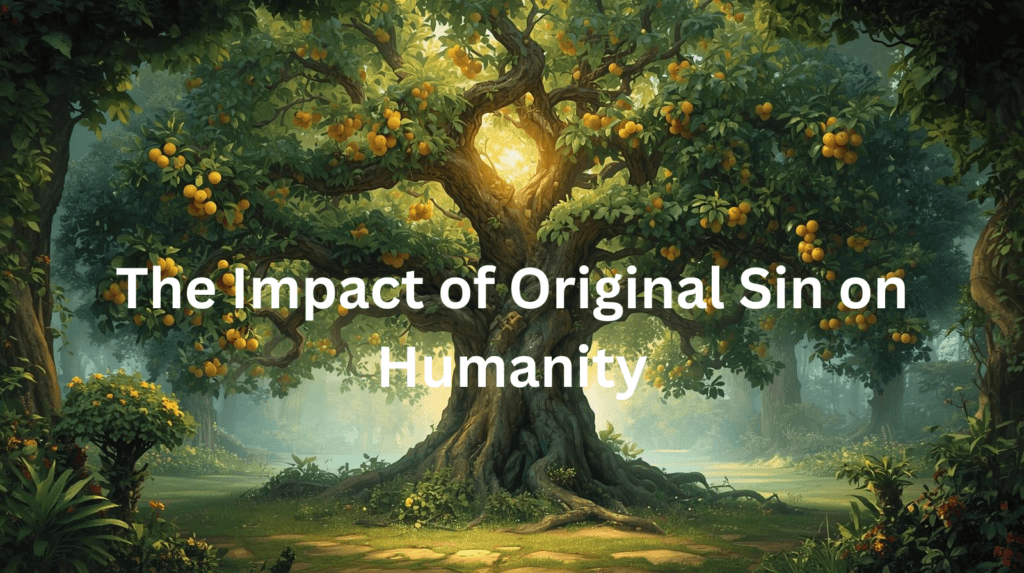
Why do we still wrestle with quilt, struggle, and the tension between who we want to be and what we actually do – and what does the story of original sin reveal about us today?
The Meaning Of Original Sin And How It Shapes Humanity
The story of original sin in Genesis might sound ancient, but I find it’s actually pretty relevant to how we see ourselves and each other today. Original sin isn’t just about Adam and Eve breaking a rule; it gets into questions of freedom, trust, and what it means to live with mistakes. This old story has influenced centuries of spiritual and philosophical thought, showing where struggles, pain, and hope all begin.
Original sin points to the break in trust between God and people, leading to a world where suffering and selfish choices are common experiences. It helps explain why things like guilt, struggle, and the urge to do right even when we fail, are such a familiar part of being human. Understanding this can help us make more sense of our own lives and how we relate to others. By seeing the story as more than just an ancient event, we can use its lessons to become more understanding and forgiving in our daily lives.
Key Points About Original Sin
- Original sin marks the first act of disobedience and its lasting effects
- It shapes how we understand brokenness in ourselves and the world
- Struggles like temptation and guilt are tied to the effects of original sin
- Humans still have freedom and can choose between right and wrong
- Redemption and hope are built into the bigger story
- Teachings on original sin influence spiritual and moral ideas today
- Learning from original sin encourages humility and compassion
How Original Sin Changed Human Experience

Original sin brought a big shakeup in how life works. Before, Adam and Eve’s world seemed enjoyable, close to God, free from shame, and full of what they needed. After eating the fruit, trust was lost, and everything was different. Struggles like pain, misunderstanding, and fear became everyday parts of life. These same themes show up often—conflict, regrets, and the longing for something better are as present now as ever.
This event isn’t just about ancient history. It shines a light on why simple things can become complicated and why relationships take work. The story serves as a reminder that the human condition is all about grappling with our limits and learning from mistakes. What may seem like a simple story actually tracks down some of the biggest questions about human nature and why life is sometimes tough.
Reflections
- Loss of innocence makes way for growth and responsibility
- Struggles and mistakes are common to everyone
- Recognizing what’s broken helps us look for healing
The Ripple Effect: Humanity And The Struggle Within

For me, one of the biggest parts of the original sin story is the idea that every person wrestles with right and wrong—not just Adam and Eve. Feelings like shame, envy, and regret show up in all sorts of settings, from friendships to workplaces. Original sin is a way to explain why people sometimes go against what they know is good, leading to harmful choices or damaged relationships.
Religion, literature, and art all draw on this theme. Admitting our potential to mess things up, without getting stuck in guilt, can lead to deeper humility and kindness. This is especially meaningful for anyone trying to build trust or repair a relationship. The story also encourages us to look at these struggles as chances to grow stronger.
Reflections
- Everyone struggles with temptation and self-interest
- Growth comes from facing, not ignoring, our weaknesses
- Honest conversations about failure make communities stronger
Hope Beyond The Fall: Redemption And Change

The weight of original sin doesn’t leave the story feeling hopeless. What stands out to me is that even after the fall, the narrative starts pointing to possibility and redemption. Traditions like Christianity teach that God’s forgiveness and restoration are always offered. The idea of a fresh start, or grace, helps people move beyond shortcomings and try again. Over the centuries, this hope has fueled reform, acts of kindness, and moves toward justice and healing.
For those wrestling with guilt or regret, these teachings show that while brokenness runs deep, the chance for change and making peace is also powerfully real. Growth, in this sense, is a dynamic process that lets people keep renewing themselves and their world.
Reflections
- Hope involves recognizing mistakes but believing in second chances
- Forgiveness helps break cycles of blame and shame
- Redemption encourages growth and new beginnings
Living With The Legacy Of Original Sin

The conversation around original sin highlights our need for honesty, humility, and hope in daily life. Recognizing our limits and faults isn’t just about feeling bad—it’s a way to move forward with more understanding and compassion. Growth, forgiveness, and starting fresh are all central to how people build better relationships and communities.
Much of today’s advice on leadership, mental wellness, or spirituality echoes these age-old lessons: nobody gets it right all the time, but by learning, forgiving, and working on ourselves, we make a difference. What we do next truly matters, even with imperfection. This is what keeps the conversation around original sin meaningful in every generation. By remembering the insight provided by this story, we can encourage healthier ways to interact, grow, and find hope in our daily routines.
- Practice humility about mistakes and choices
- Extend grace, both to yourself and others
- Keep looking for ways to repair, rebuild, and bring hope
If original sin still shapes our story, maybe the most important thing is how we choose to respond now—day by day, with honesty, hope, and a willingness to grow.
Conclusion
The story of original sin helps explain why human life is filled with struggle—but it also explains why grace, hope, and transformation matter so much. It shows us the truth about our weaknesses, but also reveals God’s unchanging love, calling us toward restoration instead of despair. We are more than our failures, and through God’s mercy, we are invited into growth, healing, and new beginnings.
Where in your life do you need to exchange guilt for grace, and struggle for hope?
Share your thoughts—your story could encourage someone else