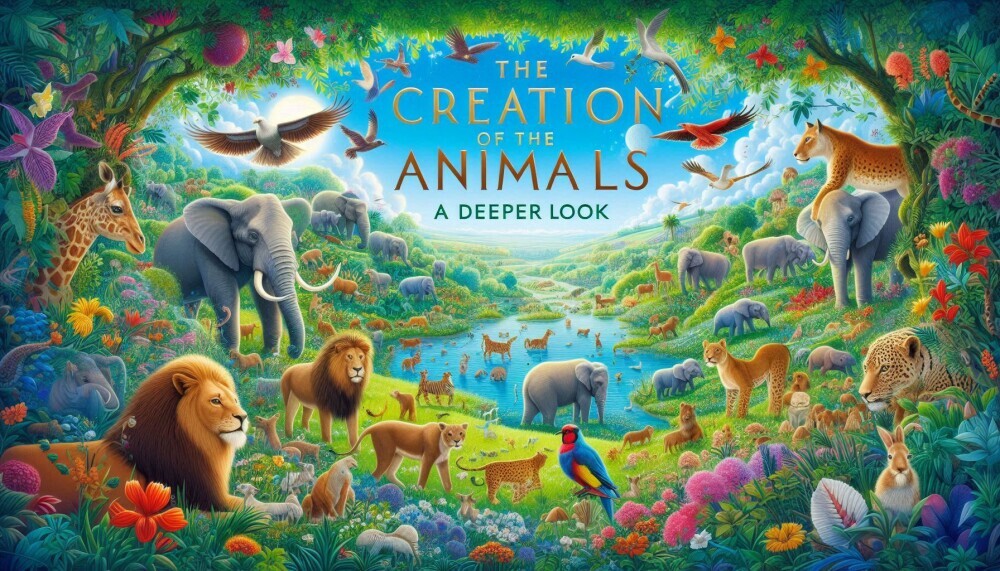
Diving into the biblical narrative, the creation story is more than just a tale. It’s foundational, setting the stage for everything else that follows in the faith journey. You’ve got to understand; Genesis isn’t just talking about how things came to be but why they’re here in the first place. The way I see it, each word and every phrase holds weight and purpose, unfolding a greater story where we’re all part of. It’s not just about the animals—it’s about us and our place in the world.
Have you ever wondered why GOD chose to fill the world with such extraordinary diversity of animals – and what their creation reveals about His purpose for humanity and our role in His masterpiece?
So why focus on animals anyway? Well, they are integral characters in this grand narrative. When you look at the creation story, the presence of animals speaks volumes about the detailed planning and creativity behind the cosmos. They embody diversity, beauty, and the wonder of the natural world. Understanding this is like reading between the lines of a captivating book where life in all its forms is celebrated and cherished.
- Creation story as foundational, not just historical.
- Genesis explains why creation exists, not simply how.
- The creation of animals reveals God’s care, creativity, and purposeful design.
Being a guide through this, it’s important to see how the biblical creation story offers insights into the nature of God, too. The careful crafting and arranging of life’s elements reflect not only divine power but also intention and care. In a way, the creation narrative opens the door for us to consider our relationship with everything around us, from the tiniest bug to the vast stretch of starry skies above. That’s a big ask, but hey, part of it is finding our own place in this tapestry.
Grasping the animals’ creation in Genesis is more than an academic exercise—it’s part of recognizing our identity and purpose within a greater cosmic plan. Through these stories, I’m reminded we are caretakers, bearing a divine image tasked to uphold and cherish all created things. This part of Genesis calls us to engage actively with the world, appreciating the harmony and balance woven into the fabric of creation.
In the end, this story of the animals’ creation is an invitation. It beckons us to consider the significance of life, the responsibilities we hold, and the mystery that envelops us all. As we explore that, we may find not just answers but also more awe and respect for the world we live in. It’s a guiding light to reel us back in when we’re lost in the chaos of everyday stark reality, pointing us to bigger truths written in the oldest scripts of time.
Summary of the creation of the animals:
- The creation narrative in Genesis sets the foundation for understanding purpose, identity, and humanity’s role in God’s design.
- Animals are not background details; they reveal God’s creativity, intentionality, and the beauty of divine order.
- Day 5 highlights God creating birds and sea creatures—establishing ecological harmony, diversity, and abundance.
- Day 6 introduces land animals and humanity, emphasizing relationship, stewardship, and interconnectedness within creation.
- Genesis teaches that humans were appointed caregivers, not exploiters, of all living things.
- Creation reflects harmony and balance—every creature plays a critical role in Earth’s systems.
- Modern ecological science echoes biblical truths about interdependence and the need to protect habitats and biodiversity.
- The Genesis story inspires a call to action: responsible stewardship, reverence for God’s work, and a deeper connection to creation.
Day 5 Account: Birds and Sea Creatures

Jumping into Day 5 of the creation story, Genesis gives us a vivid picture of God populating the waters and the skies. The verses detail a burst of life, with the creation of sea creatures and birds, adding layers of complexity and beauty to the world. It’s fascinating how these creatures not only diversify the landscape but also play critical roles in the planet’s ecosystems and demonstrate a divine hand in life’s architecture.
The diversity of species is a testament to the creativity behind it all. Think of everything from the fiercest predators ruling the oceans to the smallest birds flitting through the sky, each fitting perfectly into its environment. This isn’t just a random assortment of life forms—there’s intent and design at play. Whether you’re looking at the intricate patterns of fish scales or the synchronized flight of bird flocks, there’s a purpose echoing through.
Ecologically, the interdependence between these creatures and their habitats tells us something important. Oceans and skies form vital parts of the Earth’s functioning system. The waters teem with energy and abundance, while the skies speak of vastness and freedom. This harmony reflects a natural order that resonates with the careful orchestration hinted at in the biblical text.
And don’t miss the command God gives: ‘Be fruitful and multiply.’ It’s a call to life and growth, signaling thriving abundance. However, it’s more than numbers; it’s about nurturing and sustaining life in all its forms. This resonates today as we’re reminded of our role in preserving the habitats and creatures crucial for the planet’s balance.
Reading these sections, it’s clear there’s a fundamental connection between humans and this vibrant tapestry of life. This is a gentle nudge to us: how do we ensure these creations thrive? There’s wisdom in recognizing our part in maintaining this balance—not just for the sake of our existence but as a reflection of respecting this divine narrative richly coded in the fabric of life.
- Burst of life filling seas and skies.
- Diversity showcases divine creativity and intentional design.
- Ecological interdependence emphasizes balance in creation.
- “Be fruitful and multiply” signals growth, flourishing, and stewardship responsibility.
- Reflection: humans must protect environments where life thrives.
Day 6 Account: Land Animals and Humankind

In the unfolding story of creation, Day 6 turns the spotlight on land animals and humanity itself. The verses from Genesis recount a dynamic expansion of life on earth. Picture insects buzzing, mammals roaming, and humanity stepping onto the scene all in a day’s account. This image isn’t just about filling the earth with life but establishing a relationship between all creatures and their environment.
Understanding this scene is key to seeing our own role here. The narrative demonstrates not just a powerful act of creation but the gift of connectivity. There’s an interrelationship among all life forms that tells its own story of coexistence. From the tiniest ant to the largest mammal, each fills a niche that supports and sustains the web of life itself.
By the time humans enter the picture, it’s not just about inhabiting the space—it’s about stewardship and responsibility. Genesis describes God bringing humankind forth with a distinctive role, equipped to oversee and nurture the world around. The ‘dominion mandate’ given here is less about control and more about respect and care. I often think of it as an invitation to be the world’s caretakers, living in harmony with every creature sported before us.
The intricate design of land animals adds another layer to this narrative. Each creature showcases a design and functionality that’s anything but arbitrary. Whether it’s the earth-tilling earthworm or the regal lion, there’s a reason and precision beautifully embedded in their existence. This reflection on design lends insights into the divine intelligence orchestrating it all.
What’s compelling is how this ancient account mirrors modern insights into ecosystems and biodiversity. Truth is, this isn’t just a biblical perspective—it’s also backed by today’s science. Both point to a world of intricate dependencies and connections, hinting at an awe-inspiring complexity beyond everyday observation. There’s wisdom in recognizing how these biblical lessons resonate in our modern understanding of life on earth.
- Introduction of animals on land and the creation of humanity.
- Emphasizes relationship—humans and animals share creation’s fabric.
- Dominion = stewardship, care, responsibility—not dominance or exploitation.
- The design of animals reflects divine intelligence and thoughtfulness.
- Parallels modern understanding of ecosystems and biodiversity.
The Harmony and Balance of Creation
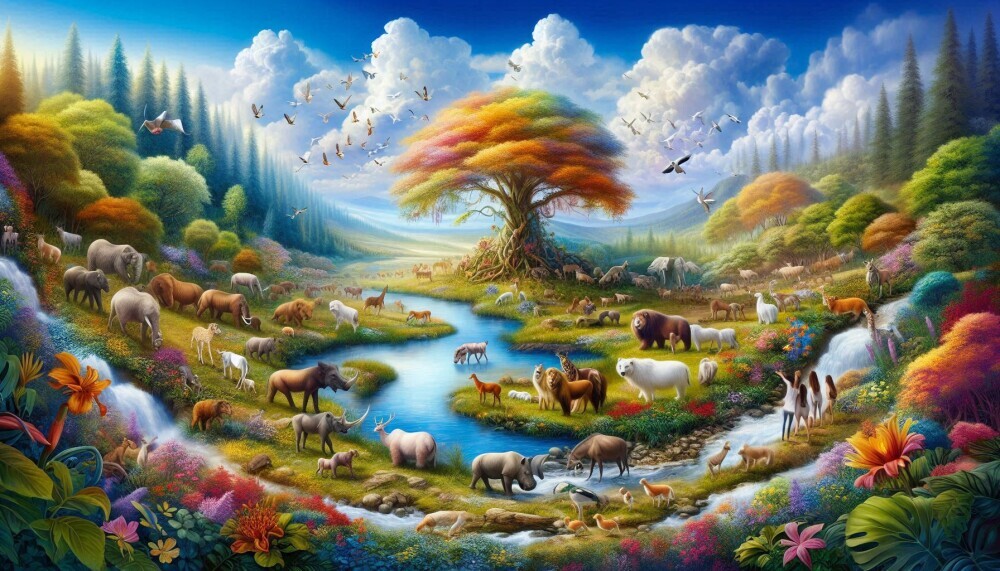
Exploring the tapestry of creation, it’s clear Genesis sets up a world humming with harmony and balance. The storytelling here isn’t just poetic—it underlines a system where each part plays a critical role in the health of the whole. For me, the text portrays a world where each creature and element sings its own note in a grand symphony, contributing to the chorus of life.
The interconnectedness in Genesis is striking. Ecosystems function like finely tuned clocks, where each gear and wheel is necessary for the machine to work smoothly. This interdependence is foundational, emphasizing ideas that resonate both scripturally and ecologically. Within the biblical framework, creation isn’t an isolated act but a continuous, interconnected living entity—one where we have a part to play.
Every creature, from the soil-enriching worm to the mighty whale, contributes something vital to Earth’s systems. It’s a reminder of how delicate these interactions are and, in turn, how easily they can unravel without careful stewardship. It’s wisdom speaking through ancient texts, emphasizing the responsibility of maintaining this balance.
The wonders of modern science often align with these truths. Ecosystems illustrate that disruption in one area trickles down, impacting everything else. The realities of climate change, biodiversity loss, and habitat destruction ring the same bells the Genesis story highlights—we need harmony because every part, including humanity, fulfills a delicate role.
Reflecting on creation can guide current thoughts around conservation and ecology. It offers insights and a reminder: respect for all life forms isn’t just valuable—it’s mandatory. Taking this to heart can foster a deeper appreciation for our fellow earthlings, encouraging actions towards maintaining and restoring the natural balance. That, in itself, is a way of honoring the story that began with creation.
- Genesis portrays a world built on interdependence and order.
- Ecosystems function like a divine symphony—each part essential.
- Losing balance leads to collapse, reminding us of stewardship.
- Biblical wisdom aligns with scientific ecological principles.
- The creation narrative encourages conservation and respect for life.
Lessons and Reflections for Today
Connecting the dots between the ancient creation story and our present day offers deep insights into how we live now. Genesis isn’t just an old chronicle of beginnings; it’s a guide on how to navigate the entwined threads of life and environment. From these biblical accounts, I gather that our stewardship is a call for genuine connection and responsibility towards creation.
Embarking on this reflective journey through Genesis reminds us of our position as custodians of the earth. The narrative urges us to explore our roles beyond mere inhabitants. We’re invited to appreciate the intricacy of life, to understand stewardship as a charge that means maintaining life’s symphony in harmony. This echoes into our duty to sustain habitats, nurture species, and remember that we’re part of something larger.
The teachings in Genesis challenge us to see God’s character through creation. The acts of creativity, care, and intention highlighted in the text shed light on divine qualities that transcend time. It allows us to understand that the same care given to various forms of life is also extended to humanity. This realization prompts a deeper reflection on our connections with the divine and with each other.
Purpose and hope through the creation narrative shine brightly in these stories. They inspire us to foster environments that reflect divine harmony and balance. It’s a call to action towards safeguarding the delicate world we share, reinforcing the need for conscious choices that lead us toward a more sustainable and respectful relationship with the earth.
As I weave these reflections together, there’s a clear message: the story of creation is not just a backdrop but a living narrative interwoven with our existence today. These lessons aren’t just relics from ancient texts—they’re reminders and a call to honor the careful design and purpose threaded throughout creation.
- Genesis teaches responsibility, purpose, and connection to the natural world.
- Humanity stands as caretakers reflecting God’s character.
- Creation reveals God’s creativity, love, and intentional design.
- Modern concerns mirror biblical themes: balance, stewardship, and sustainability.
- The creation story invites us to rediscover reverence, gratitude, and hope.
Conclusion
The creation of animals in Genesis is far more than an ancient story—it is a powerful revelation of the intentional and awe-inspiring work of God Almighty, who crafted every living creature with purpose, beauty, and harmony. Through the diversity of life on earth, we see the fingerprints of a Creator who values balance, interdependence, and flourishing for all He made. The call He gave humanity to steward creation is a sacred responsibility, reminding us that we are caretakers of a world intricately designed and deeply loved by God. When we honor and protect the life around us, we honor the One who spoke it into existence.
How does reflecting on the creation of animals deepen your understanding of God’s character and your role as a steward of His creation? Share your thoughts below—your insight may inspire someone today.