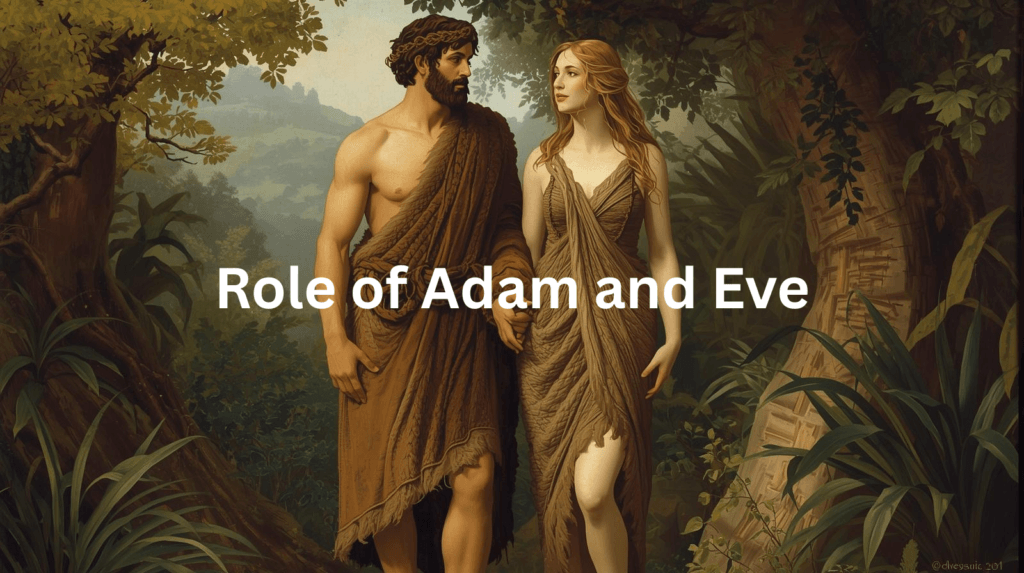
Ever wondered how the story of Adam and Eve came to be? It’s like the ultimate origin tale, found in the biblical book of Genesis, setting the stage for human existence. The narrative introduces them as the first humans, molded by divine hands, with Adam crafted from dust. What a crazy way to get started!
What does the story of Adam and Eve reveal about human nature, choice, and the God-given gift of free will – and why does their journey still shape the world we live in today?
A garden that’s basically paradise. Eden wasn’t just a garden; it was paradise on Earth. Think lush landscapes, a smorgasbord of fruit, basically a horticulturist’s dream. But Eden’s not all about aesthetics. It’s laden with symbolic elements that make you think about innocence, purity, and temptation.
These two humans had a pretty sweet deal. Hanging out in Eden, they had this pure state, right? Like, they were innocent and free, with just one rule—not to eat from that one tree. It’s that dangling carrot of freewill. And in their innocent state, they had to make choices. This set the scene for one of the biggest turning points in storytelling history. “Free will? Challenge accepted,” you can almost hear them thinking.
Summary of the Key Points
- Adam and Eve represent the beginning of humanity and the foundation of human identity in Genesis.
- Eden symbolizes paradise, innocence, freedom, and the presence of God.
- The Fall demonstrates human free will, temptation, and the consequences of choice.
- Their story is interpreted differently across cultures, religions, psychology, philosophy, and art.
- Modern discussions still revolve around gender roles, morality, human nature, and science vs. faith.
- The narrative continues to influence spiritual beliefs, ethics, society, and personal reflection today.
Analyzing the Fall: The Turning Point of Humanity

In any great narrative, there’s always a twist, and in the story of Adam and Eve, it’s all about the Fall. That forbidden fruit. It’s classic symbolism at its best. This story tickles the mind, presenting fruit not just as a snack but as a representation of temptation and knowing what you’re not supposed to know. Intense, right?
Eve made that decision to eat the fruit, and it’s a huge deal. Did she act independently or was it something more about self-discovery and temptation? It’s a hot topic that gets everyone talking about agency and the role of women in ancient texts.
Then there’s Adam, equally important in this drama. Was he just a bystander or did he choose to partake knowingly? Complicity or simply going with the flow? It’s fascinating to look at his actions and what they say about human choice and responsibility.
Once they ate that fruit, paradise went poof! Suddenly, they were out of Eden, facing the new hard realities of life outside. This shift from innocence to experience prepped the blueprint for countless tales of loss and learning. It’s the kind of story turn that really sticks with humanity: the consequences of choices and, ultimately, the price of knowledge.
Analyzing the Fall
- Forbidden fruit as symbolism for knowledge, temptation, and moral choice.
- Eve’s decision sparks discussion on agency, autonomy, and interpretation.
- Adam’s participation raises themes of responsibility and leadership.
- Consequences reflect loss of innocence and entry into human struggle.
Interpreting Adam and Eve: Perspectives and Insights

The tale of Adam and Eve isn’t confined to just a dusty old book; it breathes life into many theological interpretations. Different traditions and religions see them in distinct lights, offering myriad lessons. It’s like having a single story but through a million lenses, each one providing its vibrant color.
In literature and art, they’ve become timeless muses. From classical paintings to modern cinema, Adam and Eve are everywhere. They bring up themes of innocence, sin, and redemption, striking a chord with creators throughout the ages. They’re kind of like cultural celebrities constantly getting reinvented.
Stepping into the realm of psychology and philosophy, their story takes on new dimensions. Psychologists might look at their actions through the lens of human nature and behavioral studies, while philosophers could ponder the existential meanings behind their choices. It’s neat how universal themes of decision, responsibility, and identity pop up here.
Diving into modern debates, there’s this ongoing buzz about whether Adam and Eve should be seen as role models or cautionary tales. Some see them as archetypes of human struggle, others as lessons in obedience and consequence. These discussions make people reflect on their values in today’s ever-evolving socio-cultural landscape.
Interpretations Across Disciplines
- Theological: Sin, redemption, and the beginning of God’s salvation plan.
- Art & Literature: Cultural icons inspiring centuries of creative works.
- Psychology & Philosophy: Human behavior, desire, guilt, and identity.
- Social perspective: Debates on gender roles, morals, and obedience.
Adam and Eve in Contemporary Discussions

Move over classical debates, Adam and Eve still spark some intriguing modern discussions. Take gender roles, for instance. Eve’s portrayal has prompted discussions about femininity, perception, and, well, whether the narrative contributed to certain stereotypes. Who knew an ancient story could still stir conversation about society today?
Their narrative offers insights into human nature, shining a light on how we’re drawn to temptation, prone to guilt, and in a quest for knowledge. It’s like peeking into the grand mirror of human behaviors and instincts. And in a world where self-awareness is trending, their tale provides endless food for thought.
The debate between science and religion takes center stage with Adam and Eve. It’s where religious beliefs meet evolutionary biology in a passionate tango. Can the story coexist with modern science? Some folks embrace both, finding meaning in each, more nuanced than one might expect.
Ethical dilemmas are everywhere now, and the ancient narrative provides a framework for considering modern morals. Whether it’s about choice, consequence, or responsibility, Adam and Eve still give us much to chew on, helping shape how we navigate our current moral landscapes.
Modern Discussions
- Relevance in conversations about identity, ethics, and responsibility.
- Science vs. religion perspective—evolution vs creation.
- Their story as a moral framework for personal decision-making.
Legacy and Evolution of Adam and Eve’s Story
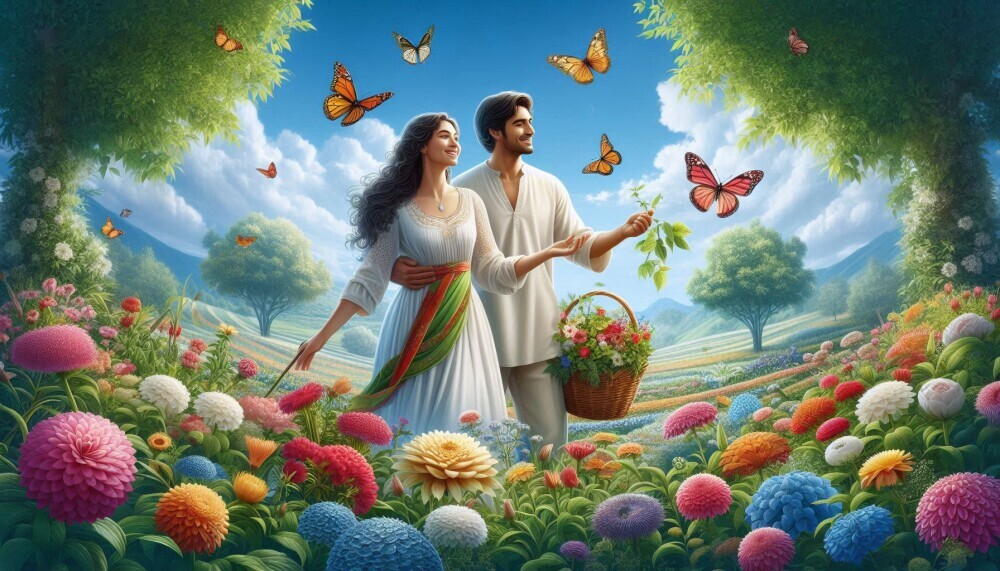
The story of Adam and Eve isn’t just a relic from the past; it’s a narrative that keeps on giving, weaving through the tapestry of different cultures and religions across the globe. From Christianity, their influence is vast, shaping countless religious teachings and traditions.
Their tale has historically impacted legal systems, moral codes, and social structures. They’ve played a role in discussions about sin, redemption, and the foundations of human relationships. It’s wild how a single story can be a cornerstone for so many societal aspects.
Adam and Eve have also made their way into the hearts of pop culture. Whether in novels, films, or TV shows, they often pop up in varying forms, constantly reinvented to cater to new audiences. This continual reimagining ensures their presence in the public psyche.
Finding meaning in their story is a personal endeavor. For some, it’s a spiritual guide, while others might see it as a philosophical exploration. But at its heart, it’s a narrative we each relate to in our own unique way, drawing personal reflections and insights that still resonate deeply today.
Legacy & Influence
- Cross-religious impact in Christianity, Judaism, Islam, and beyond.
- Influence on cultural norms, moral values, and worldviews.
- Constant reinterpretation in modern media and education.
- Personal meaning and reflection still shaping lives today.
Conclusion
The story of Adam and Eve reveals far more than the origins of humanity—it uncovers the heart of God Almighty’s purpose for our lives. Through them, we witness a powerful journey of love, freedom, choice, and consequence. Their experience in Eden reminds us that God designed us with free will, responsibility, and the capacity to grow, learn, and seek His guidance. Even in their failure, God did not abandon humanity but set in motion His plan of redemption. Their story calls us to reflect deeply on obedience, trust, and the importance of walking closely with God as we navigate the challenges of life.
What part of the story of Adam and Eve speaks to you most—free will, temptation, responsibility, or redemption?
Share your reflection below—it may encourage someone else in their faith journey.